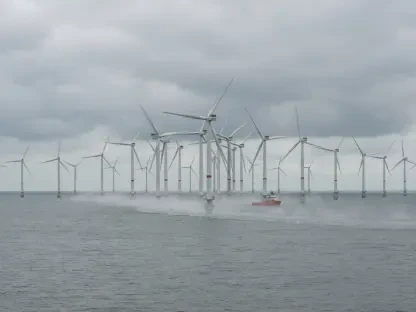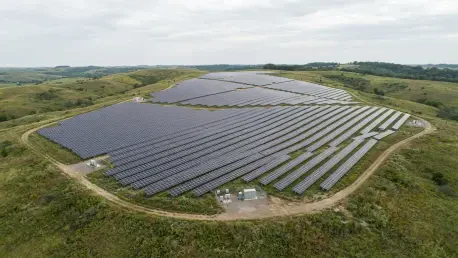

The global energy landscape is currently undergoing a radical transformation as nations attempt to reconcile the flexibility of free markets with the stability of centralized state control. This tension is particularly visible in the legislative updates presented by the National People’s Congress Standing Committee. As China amends its Renewable Energy Law, the move signals a definitive pivot from legacy state-led subsidy models toward a more competitive, market-driven energy ecosystem. This shift is not merely a policy update but a structural overhaul intended to modernize grid integration and support massive expansions in wind, solar, and offshore energy projects through 2028.
Evolution of Renewable Energy Governance and Legal Frameworks
Central to this modernization is the introduction of Green Electricity Certificates (GECs) and the continued utilization of the Renewable Energy Development Fund. These instruments serve as the connective tissue between the legacy of government support and the emerging reality of decentralized trade. By setting standardized industrial regulations, the government aims to create a predictable environment where large-scale infrastructure can thrive. This evolution reflects a global trend where decarbonization is no longer just a mandate but a competitive advantage in an increasingly green global economy.
Modernizing the grid is essential for accommodating the inherent variability of clean energy. The amendments prioritize the expansion of distributed energy systems alongside large-scale installations, ensuring that the transition remains inclusive of different project types. By prohibiting local governments from imposing arbitrary investment requirements, the National People’s Congress is clearing the path for a unified national market. This centralized effort to standardize regulations ensures that the focus remains on technological efficiency and long-term environmental sustainability.
Comparative Dynamics of Market Mechanisms and Regulatory Control
Pricing Models and Financial Sustainability Mechanisms
The choice between market-determined electricity pricing and national fixed-pricing policies defines the current era of energy investment. Traditional local benchmark prices provided stability in the past, but the new “sustainable development price settlement mechanism” offers a more nuanced approach to financial sustainability. This mechanism ensures that developers see reasonable returns while the Renewable Energy Development Fund steps in to bridge cost gaps for eligible projects. Such financial scaffolding is vital for maintaining investor confidence as the sector moves away from guaranteed state payouts.
Grid Access Protocols and Infrastructure Management
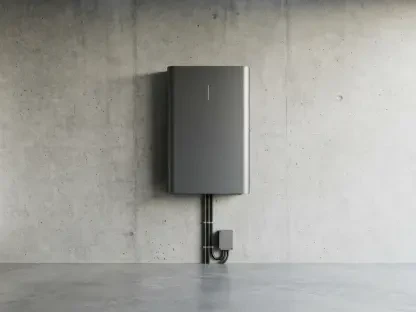
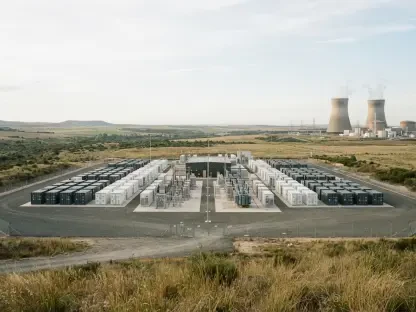
Grid access remains a contentious point of comparison between mandatory requirements and centralized dispatch instructions. In the current 2026 landscape, grid operators are legally compelled to provide equal access to renewable producers while adhering to dispatch instructions to maintain system stability. The integration of advanced technologies like pumped-storage hydropower and Virtual Power Plants (VPPs) has become essential for managing this balance. Additionally, V2G systems allow electric vehicles to act as mobile batteries, further smoothing out the spikes associated with variable solar and wind power.
Compliance Enforcement and Competitive Allocation Strategies
Compliance strategies have shifted from administrative approvals toward a more transparent, competitive allocation process. Developers now compete for project rights based on efficiency and cost-effectiveness rather than political alignment. This competitive bidding is paired with strict minimum consumption targets that entities must meet. To facilitate this, Green Electricity Certificates have emerged as the primary tool for carbon accounting and market compliance. They provide a verifiable way for companies to prove their commitment to renewable energy while participating in a liquid trading market.
Challenges and Considerations in Modernizing Energy Systems
Despite the progress made in 2026, aligning provincial consumption performance with national decarbonization goals remains a significant practical obstacle. Local governments sometimes prioritize their own industrial requirements over standardized national regulatory frameworks, creating a fragmented landscape. There are also technical difficulties in forecasting the output of variable sources like wind and solar with high accuracy. These forecasting errors can lead to grid instability, highlighting the limitations of aging infrastructure that was not originally designed for such high levels of intermittent power.
Regulatory risks also persist, particularly concerning the potential for unauthorized certificate trading or illicit financial gains. The draft amendments explicitly prohibit such activities, yet the complexity of modern energy markets makes enforcement a constant challenge. Furthermore, as projects reach the end of their intended lifespans, the requirement for safety assessments for project extensions adds another layer of regulatory scrutiny. Balancing the need for continued operation with the imperative of public safety is a delicate task for grid operators and national regulators alike.
Strategic Recommendations for Energy Integration and Compliance
The transition from subsidy-driven models to technologically advanced, market-oriented ecosystems proved to be a necessary step for long-term sustainability. Utilizing Green Electricity Certificates provided a clear pathway for international recognition, which became a vital asset for companies looking to manage their global carbon footprints. Decision-makers found that selecting between market-determined pricing and national policies required a deep understanding of project scale and regional demand. Large-scale solar and wind projects often benefited from the stability of national frameworks, while smaller projects thrived in competitive market environments.
Grid operators were encouraged to maintain a balance between providing equal access and adhering to strict dispatch instructions. This duality ensured that the grid remained stable even as the share of renewable energy grew significantly. Ultimately, the adoption of competitive bidding over state-led investment maximized infrastructure efficiency and lowered the barrier to entry for innovative developers. These strategies combined to create a resilient energy sector that successfully integrated diverse technologies and market mechanisms, paving the way for a more secure and sustainable economic future.