
The global energy landscape is currently grappling with an unprecedented surge in demand driven by the rapid expansion of artificial intelligence and high-intensity industrial manufacturing. As hyperscalers and heavy industries search for reliable power sources, the traditional reliance on aging infrastructure and fossil fuels is proving increasingly insufficient to meet both capacity and climate goals. Constellation Energy is stepping into this gap with a pioneering commercial strategy known as Peak+, which aims to redefine how large-scale consumers secure their electricity needs. This model moves beyond the simple sale of power by offering a sophisticated hybrid of bilateral contracts that pair reliable, carbon-free nuclear baseload generation with modern supplementary solutions such as large-scale battery storage and demand response programs. By providing a comprehensive energy package, the company is addressing the immediate necessity for 24/7 reliability while steering the grid toward a more sustainable future without the typical volatility found in merchant power markets.
Structural Strategies for Clean Energy Capacity
Integrating Nuclear Baselines: The Hybrid Approach
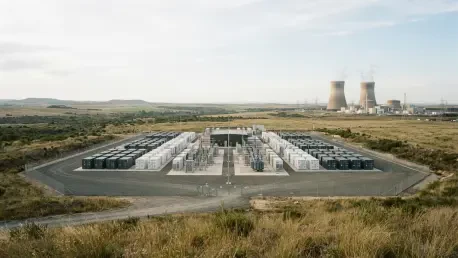
The technical architecture of Peak+ centers on creating a dependable energy bridge that leverages the existing strengths of the nuclear fleet while integrating flexible capacity to handle peak loads. Rather than relying on a single source, this strategy combines the steady output of nuclear reactors with incremental generation and advanced storage technologies. This diversification is essential for hyperscalers that operate around the clock and cannot afford even momentary disruptions in service. By utilizing these hybrid contracts, industrial consumers can bypass the typical risks associated with intermittent renewables that often require backup generation from less efficient sources. Furthermore, the inclusion of demand response programs allows the grid to maintain balance during periods of extreme stress, rewarding large consumers for adjusting their usage patterns in real time. This proactive management of energy assets ensures that the rising demand from the digital economy does not compromise the stability of the broader electrical infrastructure.
Mitigating Risks: Moving Beyond Traditional Gas
Choosing to move away from the construction of new gas-fired power plants represents a significant strategic pivot, as these facilities face growing hurdles ranging from supply chain delays to federal carbon regulations. While natural gas has historically served as a bridge fuel, the current environment within the PJM Interconnection and other major markets is plagued by massive interconnection backlogs and environmental uncertainties. Peak+ emerges as a more viable alternative because it maximizes the utility of existing land and infrastructure rather than waiting years for new permits and pipelines to materialize. The transition to this model helps mitigate the risk of stranded assets, which is a major concern for investors looking at long-term fossil fuel projects in an increasingly decarbonized economy. By focusing on nuclear uprates and site-specific storage, companies can achieve the same capacity results as a new gas turbine without the associated emissions or the bureaucratic friction that currently slows down traditional thermal generation projects.
Financial Performance and Strategic Market Growth
Economic Advantages: Competitive Hybrid Contract Pricing
The financial implications of this strategic shift are profound, as evidenced by Constellation projecting its earnings per share to reach approximately $12.65 within the current fiscal year. This optimistic outlook is fueled by the significant cost advantages that Peak+ contracts offer over the projected levelized costs of new combined-cycle gas turbines. In capacity-constrained regions, a new gas plant might cost between $110 and $130 per megawatt-hour, whereas Peak+ agreements are estimated to sit between $20 and $50 per megawatt-hour above the federal production tax credit floor. This massive pricing delta makes the hybrid nuclear model highly attractive to cost-conscious tech giants who must balance multibillion-dollar infrastructure investments with operational efficiency. For the energy provider, this creates a high-growth environment characterized by long-term revenue stability and a reduced exposure to the price swings of the natural gas market. The economic appeal is clear: providing clean, firm power at a fraction of the cost of new fossil fuel builds.
Expansion Efforts: Securing the Digital Future
Market adoption of this innovative model has already gained significant momentum, as demonstrated by the finalization of a 20-year, 270-megawatt agreement with a major commercial partner. This milestone followed substantial expansion deals with industry leaders like Google and Amazon, which collectively secured over one gigawatt of expanded nuclear capacity through recent uprates. To support this growth, significant investments were directed toward physical infrastructure, including the 2027 restart of the Crane Clean Energy Center and the strategic acquisition of the Rhode Island State Energy Center. It became clear that future energy planning necessitated a move toward these hybrid structures to ensure grid resilience. Decision-makers learned that combining baseload reliability with flexible storage provided the necessary buffer against market volatility. The success of these early contracts suggested that similar frameworks should be prioritized in upcoming legislative and corporate sustainability roadmaps to maintain a competitive and carbon-free industrial base.