
The reliability of the American electrical grid has reached a critical inflection point where seasonal weather anomalies no longer represent occasional nuisances but rather existential threats to the standard of living. As households transition into fully electrified hubs for work, transportation, and climate control, the historical dependence on centralized utilities has transformed into a significant operational vulnerability. The current state of infrastructure is struggling to keep pace with the increasing frequency of climate-driven stressors, pushing the market toward a new era of decentralized power management.
Distributed energy resources are now being redefined as a form of reliability insurance rather than mere cost-saving measures. This shift in the residential energy standard marks a move from passive consumption to a model where homeowners actively manage their own generation and storage assets to maintain continuity. Key industry participants, including solar installers and generator manufacturers, are pivoting their strategies to provide comprehensive ecosystems that can withstand the mounting pressures on the national grid.
The New Standard for Residential Energy: Navigating a Fragile National Grid
The transition toward distributed energy resources represents a fundamental change in the relationship between consumers and the centralized utility model. Modern lifestyles demand a constant flow of electricity to support everything from remote employment to medical equipment, making grid instability a risk that many are no longer willing to accept. Consequently, the adoption of home generation and storage is becoming a standard expectation for high-functioning households in the current climate.
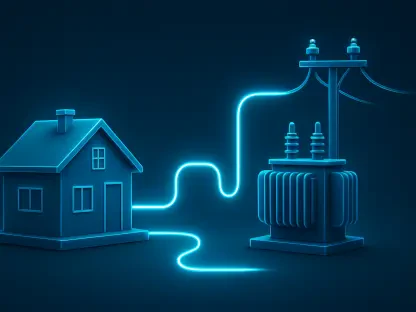
Evaluating the impact of climate change on the current infrastructure reveals a system that was built for a different meteorological era. Increased peak demand and severe weather events are exposing the fragility of transmission lines and aging transformers across the country. In response, a sophisticated network of software developers and hardware manufacturers is working to create a more resilient residential power framework that can operate independently when the public grid fails to deliver.
Analyzing the Drivers and Growth Metrics of Modern Energy Adoption
Emergent Trends in Regionalized Risk Management and Hybrid System Integration
Regionalized risk management has become a priority as El Niño weather patterns cause a significant recalibration of energy threats across the Southeastern and Western United States. In the South, these patterns often manifest as severe convective storms and unexpected winter grid stress, while the West faces coastal challenges and storm-driven disruptions. These variations have led to the decline of one-size-fits-all energy designs in favor of modular systems that can be tailored to local environmental stressors.
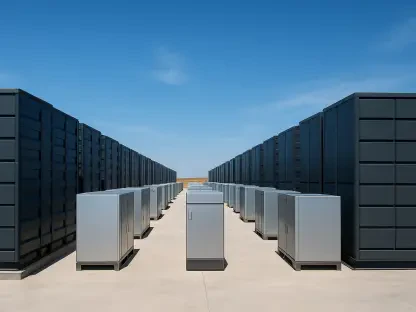
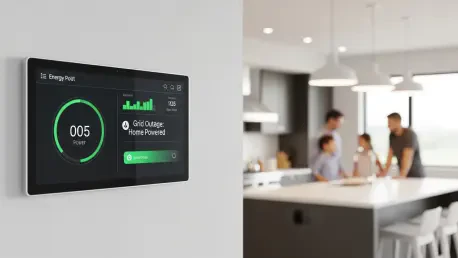
The industry is seeing a rapid rise in hybrid systems that integrate solar panels with both battery storage and mechanical standby generators. This multi-asset approach ensures that a home remains powered even during extended multi-day outages when solar generation might be limited by heavy cloud cover. Software-driven orchestration now manages these disparate parts, allowing for the intelligent allocation of power to essential loads like electric vehicle chargers and heating systems during critical events.
Economic Indicators and the Financial Valuation of Home Energy Independence
Economic indicators suggest a strong growth trajectory for residential energy independence as utility rates continue to climb to fund infrastructure repairs. Data from reliability organizations indicates that nearly half of the population lives in areas where power supply shortfalls are a recurring concern. This environment has significantly increased the financial valuation of systems that provide autonomy, as the cost of a blackout is now measured in terms of total household disruption and lost productivity.
Growth projections for standby power and battery storage reflect a market where consumers are actively seeking alternatives to precarious public services. The de-commoditization of solar energy is a notable trend, with the focus shifting from simple return on investment to the long-term security provided by a decentralized system. As the gap between grid capacity and consumer demand widens, the premium placed on energy independence is expected to drive sustained investment in home-scale infrastructure.
Identifying and Mitigating the Strategic Vulnerabilities of Aging Infrastructure
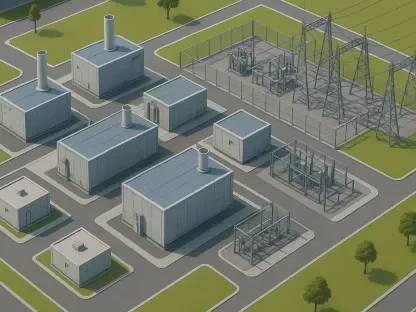
The modernization trap is a phenomenon where billions of dollars in utility investment are consumed by the maintenance of antiquated equipment rather than the expansion of system capacity. This paradox means that even as rates rise for consumers, the actual reliability of the service often remains stagnant or declines. For the residential sector, this creates a strategic need to develop internal defenses that can compensate for the failures of the broader transmission network.
Installers are now moving from simple equipment placement to a role of resilience consulting, where they assess the unique vulnerabilities of a property. This includes hardening systems against physical damage from storms and implementing technological strategies to protect sensitive electronics during grid fluctuations. By focusing on comprehensive protection, the industry is helping homeowners navigate the inherent weaknesses of a national grid that was not designed for the current pace of electrification.
Policy and Compliance: Navigating the Shifting Legal Terrain of Grid Modernization
State utility commissions are facing increased pressure to approve rate hikes that fund the hardening of existing infrastructure against environmental threats. While these policies aim to improve long-term stability, they often create a financial burden on consumers in the immediate term. To balance this, federal and state incentives are increasingly favoring solar-plus-storage systems that can provide grid-edge support and reduce the overall strain on the public energy supply.
Navigating the regulatory requirements for interconnecting hybrid systems remains a challenge for many homeowners and contractors. Compliance with evolving reliability standards is essential as the generation landscape shifts away from traditional thermal plants toward a more decentralized model. These policy changes are intended to create a framework where residential assets can contribute to the stability of the entire grid, rather than just serving as an isolated backup.
The Horizon of Residential Power: Innovation and Total Home Electrification
The evolution of the home into a self-sustaining micro-utility is being accelerated by the trend of total electrification. As households replace gas appliances with heat pumps and induction stoves, their reliance on a stable electrical supply becomes absolute. This has spurred innovation in artificial intelligence, which is now being used to optimize energy cycles and manage load shedding during periods of extreme grid stress.
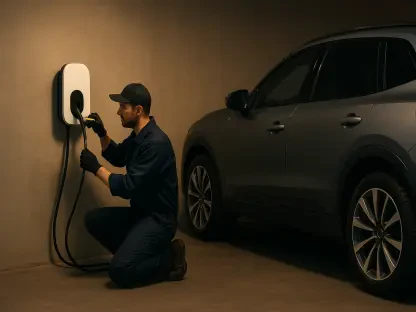
Emerging market disruptors such as vehicle-to-home charging are further expanding the possibilities of residential resilience. By allowing the high-capacity batteries in electric vehicles to serve as a backup power source for the entire house, technology is bridging the gap between transportation and home energy management. These advancements point toward a future where the home is no longer a passive node on a fragile network but a robust and autonomous energy producer.
Conclusion: Embracing Decentralized Solutions for Long-Term Energy Security
The analysis confirmed that the psychological shift from utility dependence toward individualized energy security became a historical necessity. Stakeholders recognized that an all-hazards strategy was the most effective way to integrate solar, batteries, and mechanical generators into a robust defense against grid volatility. Industry professionals and homeowners alike learned to prioritize robustness over simple cost-efficiency as the climate grew increasingly unpredictable.
The findings suggested that decentralization provided the most reliable path toward long-term security in a landscape of aging infrastructure. Engineers and policymakers observed that the transition toward modular, software-driven energy systems allowed for greater flexibility during regional weather emergencies. Ultimately, the industry moved toward a model where the home functioned as an empowered, autonomous unit, ensuring that the standard of living remained protected regardless of the challenges faced by the national electrical grid.