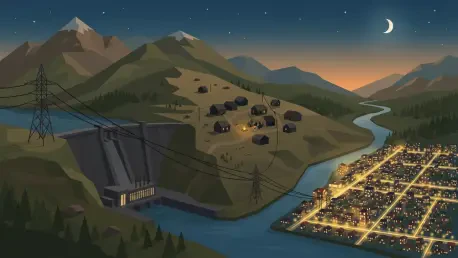

Residents of J&K consume an average of 1,532 kilowatt-hours annually, reflecting a level of energy access that is 3.7 times greater than the 408 kilowatt-hours seen in PoJK. This striking disparity highlights a profound divide in how energy resources are managed and distributed across the region’s geographical borders. While both areas sit atop massive hydropower potential from shared river systems, the divergence in their infrastructure development and economic stability tells a tale of two very different administrative philosophies. In Jammu and Kashmir, a systematic approach to grid modernization and capacity expansion has transformed the utility sector into a cornerstone of regional growth. Conversely, Pakistan-occupied Jammu and Kashmir struggles with a structural paradox where it generates significant power through massive dam projects but remains unable to satisfy even the modest local demand. This inefficiency creates a persistent state of energy poverty for its residents, despite the proximity to the very rivers that fuel the national grid of Pakistan.
Structural Disparities in Generation and Distribution
The technical landscape reveals that Jammu and Kashmir currently operates with a commissioned capacity of approximately 3,540 MW, which is strategically managed to satisfy nearly 98.6% of its domestic requirements. This high level of reliability is achieved through a combination of state-led investment and the integration of advanced grid management technologies. As of 2026, the region is actively pursuing an ambitious target to reach 7,315 MW by 2030, supported by a financial commitment that dwarfs the budget of its neighbor by nearly eleven-fold. This massive capital infusion allows for the deployment of universal smart metering and the refurbishment of aging transmission lines, ensuring that power loss is minimized. In contrast, PoJK possesses a theoretical capacity of 3,205 MW, yet its local supply often plateaus at a meager 330 MW. This massive gap between potential and actual availability stems from a centralized management system that prioritizes the energy needs of distant industrial hubs over the people living in the immediate vicinity of the dams.
Modernization efforts in J&K have not been limited to raw generation figures but have extended to the precision of the delivery network. The implementation of smart meters across major urban and rural clusters has revolutionized revenue collection and load management, allowing the utility companies to reinvest profits into sustainable infrastructure. This fiscal independence provides a buffer against the fluctuating prices of the global energy market and ensures that the regional grid remains resilient. Meanwhile, the energy sector in PoJK is marred by deep-seated systemic failures and a lack of local oversight. Because the primary hydroelectric installations like the Mangla and Neelum-Jhelum dams are controlled by federal agencies in Islamabad, the local administration lacks the authority to set tariffs or dictate distribution priorities. This lack of agency prevents any long-term planning for local industrialization, leaving the region’s economy stagnant and its residents frustrated by frequent, unscheduled load shedding that disrupts daily life and business operations.
Governance Models and Socioeconomic Friction
The differing energy outcomes are also a direct byproduct of the political frameworks governing these regions. Residents of Jammu and Kashmir participate in a vibrant democratic process that enables them to hold policymakers accountable for infrastructural lapses. High voter turnouts in recent electoral cycles have signaled a strong public demand for continued development and energy security, compelling the administration to prioritize these sectors. This accountability loop ensures that electricity remains a public service priority rather than a tool for political leverage. On the other side of the Line of Control, the situation is characterized by a significant lack of political representation. The residents of PoJK do not have a voice in the national parliament of Pakistan, which effectively silences their concerns regarding the exploitation of their natural resources. Local laws further restrict political activity, making it difficult for communities to advocate for fair compensation or a greater share of the power generated from their own rivers.
This lack of local benefit from significant natural resources has inevitably sparked widespread civil unrest. The Joint Awami Action Committee has spearheaded various movements against exorbitant electricity tariffs, which many residents view as inherently unfair given the surplus of energy produced within their territory. These protests have frequently escalated into major confrontations, highlighting the volatility of a system that ignores local equity. While temporary grants are sometimes issued by the federal government to quell immediate anger, they do not address the underlying issue of net hydel profits or the legal ambiguities surrounding the region’s constitutional status. This financial dependency on federal handouts prevents PoJK from establishing a self-sustaining economic model. In Jammu and Kashmir, however, the utilization of a robust budget allows for a forward-thinking energy policy that integrates social welfare with industrial growth. The focus there has shifted toward ensuring every household has affordable access to power.
Strategic Solutions and Future Considerations
To bridge these immense disparities, several critical steps were necessary for any region facing such systemic energy inequality. Policymakers emphasized that establishing local control over natural resources was the primary catalyst for sustainable development. By shifting the management of hydroelectric assets from distant federal bodies to local administrative units, it became possible to align energy production with the specific needs of the regional population. Furthermore, the adoption of transparent pricing models and independent regulatory oversight served to rebuild public trust and reduce social friction. The integration of decentralized renewable energy sources, such as small-scale solar and micro-hydro projects, offered a practical solution to reach isolated mountain communities that the central grid failed to serve. Ultimately, the transition toward a more equitable energy landscape required a commitment to democratic accountability and a significant reinvestment of hydel royalties back into the local infrastructure to ensure long-term stability and growth.