
The Italian energy landscape is currently navigating an unprecedented transformation as soaring summer temperatures push the national power grid to its absolute limits while solar generation reaches historic milestones. Italy’s electricity market is witnessing a pivotal moment in 2026 as Terna, the national transmission system operator, manages a massive 32.5 TWh demand milestone. This record-breaking figure represents an 8.3% increase compared to previous levels, signaling a shift in how the country balances energy security against climate-driven consumption spikes.
The complexity of the modern grid requires a seamless transition from traditional thermal power to a renewable-heavy portfolio to meet these escalating needs. Ensuring national energy security has become a primary objective as the energy mix evolves. Terna’s proactive management of the high-voltage network ensures that even with extreme peaks, the frequency remains stable. This transition is not merely about adding capacity but about re-engineering the entire flow of electricity across the Italian peninsula to accommodate a more decentralized generation model.
Market Dynamics and the Performance of Italy’s Diverse Energy Mix
Climate Drivers: The Resurgence of Energy-Intensive Industrial Sectors
The primary catalyst for this surge remains a series of extreme weather events that have pushed residential and commercial cooling systems to their maximum capacity. Temperature anomalies, averaging nearly 2°C above the seasonal norm, forced peak demand to hit a staggering 58 GW on July 15. This thermal stress on the infrastructure necessitates a more robust approach to demand-side management and grid cooling to prevent localized outages.
Moreover, the industrial sector is showing robust signs of life with the IMCEI index climbing by 2.1%. This growth suggests that energy-intensive industries are finally moving past the volatility of 2022, contributing to a more sustained and predictable baseline for national energy consumption. Economic recovery post-crisis has sustained these energy demand levels, requiring a consistent supply that can scale with industrial output without compromising the stability of the residential sector.
Statistical Analysis: Solar Capacity Expansion and the Renewable Energy Paradox
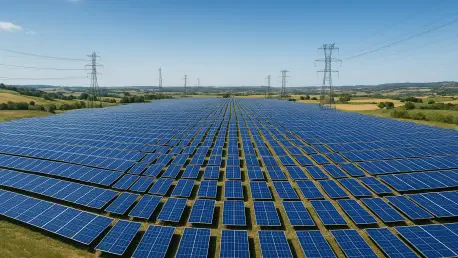
The expansion of solar infrastructure is the standout success of the current year, boasting a 20.6% increase in generation compared to previous periods. By integrating 6,874 MW of new capacity, Italy has fortified its position as a solar leader, even as the broader renewable portfolio faces a paradoxical decline in total market share. This growth in solar capacity is essential for meeting the high midday demand typical of Mediterranean summers when air conditioning use is at its peak.
However, this dip in the total green energy contribution is largely attributed to the underperformance of hydroelectric and wind sources. While the sun provided 6.7 TWh, the shortfall in other sectors meant that renewables covered 41.5% of total demand, a slight retreat from earlier highs of 44.5%. This discrepancy highlights the necessity of a diversified renewable strategy that does not rely solely on one weather-dependent source, ensuring the grid remains resilient throughout different seasonal conditions.
Navigating the Obstacles: Renewable Volatility and Thermal Reliance
Managing the renewable paradox requires a delicate balancing act, especially when hydroelectric and wind outputs fluctuate during high-demand intervals. To bridge the gap left by intermittent green sources, the grid has temporarily increased its reliance on thermal generation, which saw a 14.1% uptick to ensure frequency stability. This reliance underscores the transitional nature of the current energy landscape where fossil fuels still play a critical backup role.
Domestic production now covers over 84% of national needs, while net imports have risen by 10.2% to fill the remaining void. This strategic use of traditional power plants serves as a necessary safety net while the infrastructure for a fully carbon-neutral grid continues to mature. Strategic imports also play a vital role in balancing the grid when local intermittent sources fall short of the required output, maintaining a steady flow of power across all regions.
Regulatory Landscape: The Strategic Expansion of National Storage Systems
Regulatory frameworks are now heavily favoring the deployment of large-scale battery storage to mitigate the risks of solar intermittency. Italy is aligning its national strategies with EU decarbonization targets, fostering a policy environment where private and public investments in high-capacity storage can thrive. These regulations are designed to meet the Integrated National Energy and Climate Plan’s ambitious milestones for a cleaner and more independent energy future.
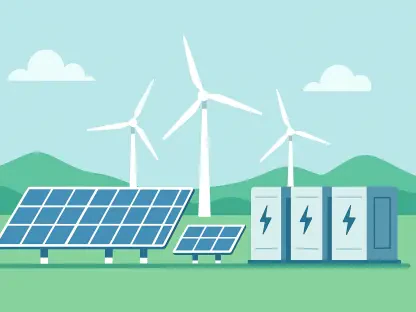
The current storage fleet, totaling 19.43 GWh across nearly one million installations, acts as a buffer against the volatile nature of renewable inputs. These systems are essential for maintaining the integrity of high-capacity transmission lines, ensuring that excess solar energy produced during the day can be dispatched during evening peaks. Robust security measures and infrastructure standards accompany this expansion to protect the national grid from physical and cyber threats.
Technological Innovation: The Long-Term Vision for Grid Independence
Looking ahead, technological innovation in smart grid management and green hydrogen is expected to redefine Italian energy autonomy. Modernizing aging hydroelectric facilities and exploring the potential of offshore wind in the Mediterranean are key focus areas for diversifying the renewable mix beyond traditional photovoltaic arrays. These advancements allow for a more flexible response to shifting demand patterns and reduce the long-term need for thermal backups.
Furthermore, expanding cross-border interconnections remains a priority for long-term grid independence. By enhancing the ability to exchange power with neighboring European markets, Italy can better manage domestic surpluses and deficits. This interconnectedness creates a more resilient ecosystem that can withstand localized disruptions and optimize the distribution of green energy across the continent, paving the way for a more unified European power market.
Summary: National Energy Prospects and Key Strategic Recommendations
The recent performance of the Italian energy market demonstrated that while solar growth was impressive, the underlying infrastructure still required thermal backups to survive peak consumption surges. This period highlighted the critical need for diversified renewable sources and intensified efforts in storage deployment to move away from fossil fuel reliance. Stakeholders acknowledged that grid stability depended on a multifaceted approach to energy procurement that balanced new technologies with reliable traditional reserves.
Future strategies prioritized the modernization of the transmission network and the incentivization of hybrid energy systems. Italy successfully weathered the record demand through a mix of domestic production and strategic imports, but the path toward true sustainability demanded even more aggressive investments in grid flexibility from 2026 to 2030. These steps ensured that the national grid remained resilient against both climatic shifts and economic fluctuations, securing a stable energy future for all industrial and residential consumers.