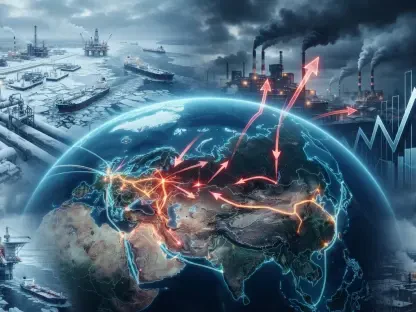

Data center power consumption is projected to more than triple by 2028, placing an unsustainable burden on existing energy infrastructure. While the technology industry spent recent years focusing on the availability of high-end graphics processing units, a much more physical and industrial challenge has emerged in the current landscape. Large-scale language models and generative artificial intelligence systems require immense amounts of electricity, forcing developers to look beyond traditional utility grids that are already stretched to their limits. This shift has turned the spotlight toward natural gas turbines, which serve as the backbone for reliable, on-site power generation. However, the sudden surge in demand from the tech sector has collided with a manufacturing sector that was not prepared for such rapid acceleration. Utilities are now finding themselves in a fierce competition with tech giants for the same equipment, creating a bottleneck that threatens to slow down the very innovation that originally spurred this growth.
Industrial Bottlenecks and Manufacturing Constraints
Production Gaps in Heavy Power Equipment
The core of the current energy crisis lies in a fundamental imbalance between global manufacturing capacity and the skyrocketing orders for power generation hardware. Current industry data reveals that global orders for large-scale gas turbines have surged past the 100 GW mark, yet the combined annual production capacity of all major manufacturers remains capped between 60 and 70 GW. This discrepancy has created a massive backlog that extends well into the next decade, leaving many developers in a state of uncertainty. In the United States, the lead time for securing a new turbine now averages six years, a timeline that is entirely incompatible with the fast-paced development cycles of the artificial intelligence sector. Companies like GE Vernova and Siemens Energy have reported that their manufacturing slots are largely booked through 2032, leaving latecomers with few options but to wait or look elsewhere for power solutions to keep their expansion projects on track and operational.
Leveraging Aeroderivative Aerospace Technology
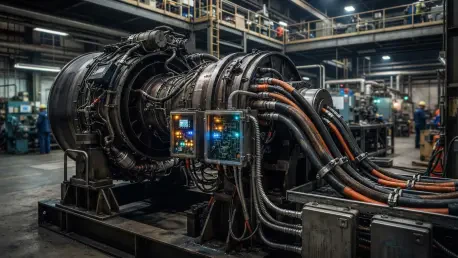
To circumvent the multi-year delays associated with heavy-duty industrial turbines, engineers are increasingly turning to aeroderivative generators as a viable alternative for rapid deployment. These units are essentially modified jet engines repurposed for ground-based power generation, offering a smaller footprint and significantly faster start-up times than traditional equipment. Because they are based on existing aerospace technology, these generators can be manufactured and installed much more quickly, providing a critical stopgap for data centers that need to go live within months rather than years. While they may offer slightly lower efficiency in long-term operations, their flexibility and availability make them a prized asset in the current scramble for energy infrastructure. This pivot toward aerospace-derived hardware highlights the desperation of the industry to find any available means of generating electricity on-site to maintain the momentum of hyperscale computing facility construction.
Strategic Evolution and Future Energy Resiliency
The industry eventually recognized that a continued reliance on natural gas turbines posed significant strategic and environmental risks. While the temporary scramble for used hardware provided a necessary lifeline between 2026 and 2028, it also highlighted the fragility of a supply chain dependent on a handful of specialized manufacturers. Stakeholders began to prioritize a more diversified energy portfolio, integrating modular nuclear reactors and advanced battery storage to reduce their exposure to turbine shortages. Moving forward, the most successful developers were those who secured long-term energy partnerships and invested in proprietary power generation technology rather than relying on the open market. The era of assuming that electricity would always be available at the flip of a switch concluded, replaced by a new paradigm of integrated energy planning. Future scaling efforts required a focus on maximizing thermal efficiency to ensure the AI boom remained sustainable and resilient against hardware scarcity.