
Kalfresh Bioenergy is leveraging its grower-led roots to build an industrial precinct where renewable energy and agriculture operate in a symbiotic, closed-loop system. This initiative represents a fundamental shift in how rural resources are utilized, moving beyond traditional harvest cycles to incorporate advanced bioenergy recovery. By integrating energy production directly into the agricultural supply chain, the organization addresses the dual challenges of waste management and energy security. The appointment of an inaugural Executive General Manager marks the start of a sophisticated scaling phase, designed to transition the company from a regional grower to a major player in the renewable gas market. This evolution is happening as industries globally seek alternatives to fossil fuels that do not compromise food production. The strategy focuses on utilizing every component of the harvest, ensuring that farm residues are no longer a liability but a high-value asset for power generation.
Strategic Leadership and the Circular Economy Vision
The Leadership Profile: Bridging the Sector Divide
The appointment of Heath McBain as the first Executive General Manager brings a wealth of specialized knowledge to the company’s leadership team at a pivotal moment in its development. With more than two decades of experience across the gas and infrastructure sectors, including senior positions at energy giants like Origin Energy and Shell, he possesses the technical acumen required to navigate complex energy projects. What distinguishes his profile is a personal background in farming, which allows him to interpret the specific needs of the agricultural sector through the lens of a veteran energy executive. This dual perspective is essential for managing a facility that sits at the precise intersection of these two distinct industries. His primary mission involves overseeing the completion and operational rollout of the bioenergy facility, ensuring that the project meets rigorous industrial standards while remaining true to its roots as a grower-led enterprise. By bridging the technical gaps between energy markets and farming communities, this leadership provides the necessary stability to attract further investment and institutional support.
Operational Strategy: Deploying Specialized Technical Expertise
Supporting the new executive leadership is a team of specialists whose collective experience covers every facet of the bioenergy lifecycle, from engineering to environmental compliance. Project Director Andreas Nienaber brings a decade of international expertise gained from bioenergy projects across Europe and North America, offering a global perspective on operational best practices. He is joined by Alexander Vogelsang, a process engineer who has transitioned to a permanent role as Development and Operations Director after seven years of high-level consulting for the company. The commercial viability of the project is further secured by Harrison Slogrove, who manages the critical offtake and feedstock agreements that underpin the facility’s financial model. Simultaneously, Sam Redman leads the environmental planning and regulatory approval processes, ensuring that the precinct adheres to the highest ecological standards. This assembly of talent ensures that the project is not only technically sound but also fully integrated into the existing regulatory and commercial frameworks of the Australian energy market.
Future Implications and Infrastructure Development
Project Development: The Scenic Rim Bioenergy Facility
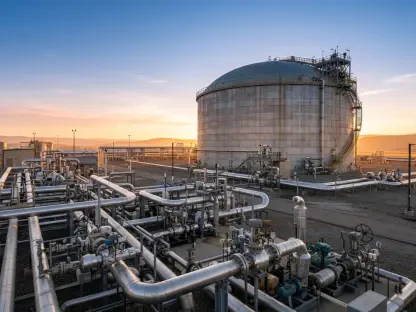
The physical centerpiece of this expansion is the construction of the bioenergy facility located in Kalbar, within the Scenic Rim region, which is currently on track for a mid-2027 operational launch. This facility is designed to process organic food waste and farm residues, transforming them into two distinct high-value outputs: renewable gas and high-quality liquid fertilizer. This closed-loop process ensures that nutrients removed from the soil during the growing process are returned to the land, maintaining agricultural productivity while generating clean energy. Beyond its primary function, the facility will serve as the anchor for the Scenic Rim Agricultural Industrial Precinct, a dedicated zone for commercial tenants who require reliable access to renewable power. Through an integrated embedded network, these tenants will be able to source both electricity and gas directly from the facility, providing them with a competitive advantage in an era of rising energy costs. This infrastructure development transforms the local landscape into a hub for sustainable manufacturing.
Economic Evolution: The Role of Sovereign Gas Production
The successful assembly of this leadership team and the advancement of the Kalbar site established a definitive framework for future bioenergy initiatives across Australia. Industry stakeholders observed how the combination of institutional investment and specialized technical expertise mitigated the inherent risks of greenfield energy projects. The focus on producing sovereign gas provided a scalable solution for the transport and industrial sectors, which sought to decarbonize without sacrificing operational reliability. To capitalize on this progress, regional developers prioritized the creation of localized circular economies that integrated waste management with industrial energy needs. These efforts demonstrated that the most effective path toward energy independence involved empowering primary producers to lead the transition. Moving forward, the industry adopted standardized models for feedstock security and grid integration, ensuring that the lessons learned at the Scenic Rim were applied to subsequent developments. This proactive approach turned agricultural waste into a cornerstone of the national energy strategy.