
The tension between investor confidence and social equity has become a central theme in the national discussion over Sri Lanka’s modernizing electricity infrastructure. As the island nation pivots toward a greener future, the administration led by Energy Minister Anura Karunatilaka has initiated a significant overhaul of the existing renewable energy framework. The traditional net metering and net accounting protocols are being replaced by a more restrictive “Net Plus” system. This policy shift is driven by the urgent need to address a growing financial deficit within the national grid caused by the “duck curve” phenomenon. During daylight hours, rooftop panels flood the system with cheap electricity, but as the sun sets, the demand surges, forcing the state to rely on expensive thermal power. Government officials argue that the costs of maintaining this infrastructure were being unfairly shifted onto lower-income households who lack the capital to invest in their own solar installations today.
Reforming the Rooftop Solar Landscape
Economic Incentives: Balancing the Grid
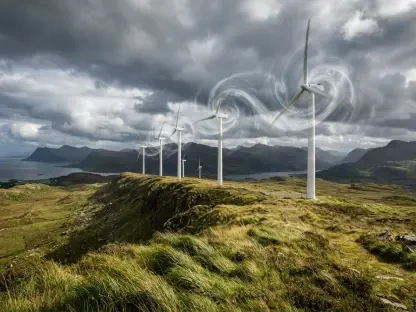
The introduction of the Net Plus scheme represents a fundamental change in how the Ceylon Electricity Board interacts with private energy producers. Under this new arrangement, the focus has shifted from simple energy swaps to a system of fixed purchase prices that prioritize grid stability over individual profitability. The government maintains that this recalibration is essential for the long-term viability of the national utility, especially as they aim to integrate 642 megawatts of solar and 50 megawatts of wind capacity by 2027. This aggressive expansion strategy is intended to continue through 2029, yet it faces significant hurdles in balancing the books. By altering the compensation rates for exported power, the ministry hopes to recapture some of the revenue lost during peak daytime production hours. This strategy is viewed as a necessary correction to prevent a financial collapse, ensuring the transition to renewables does not bankrupt the national energy system.
Industry Resistance: The Investment Crisis
Despite the government’s fiscal justifications, the sudden policy pivot has triggered a wave of anxiety throughout the domestic solar industry and among political critics. Lawmakers such as Rasamanickam Shanakkiyan have voiced strong opposition, arguing that changing the rules after citizens have already committed significant personal funds creates a climate of uncertainty. Local installation firms, many of which flourished during the initial solar boom, now report a sharp decline in new contracts as potential customers hesitate to invest in systems with diminished returns. There is a palpable fear that these regulatory adjustments might inadvertently stall the momentum of the renewable sector, potentially jeopardizing the country’s ambitious climate targets. If investors lose faith in the consistency of government policy, the capital required for large-scale infrastructure projects may dry up, leaving the nation caught between its green goals and its immediate economic constraints.
Global Context: Energy Lessons
International Parallels: Grid Management
Sri Lanka is far from alone in facing these structural challenges, as the friction between distributed generation and utility business models is becoming a global phenomenon. Similar disputes over solar buyback rates and export fees are currently playing out in diverse markets such as the Dominican Republic and several American states including California, Colorado, and Connecticut. These regions have also encountered the technical and economic complexities of high solar penetration, where the traditional model of one-way power flow from central plants to consumers is no longer adequate. In these international contexts, regulators are increasingly moving toward time-of-use pricing and grid participation fees to ensure that all users contribute their fair share to the upkeep of the transmission network. These global parallels suggest that as solar technology becomes more ubiquitous, the era of simple net metering is ending, requiring a modern approach to grid management and energy economics.
Future Considerations: Policy Solutions
To bridge the gap between policy objectives and consumer interests, the integration of advanced battery storage emerged as a pivotal solution during the recent strategy sessions. By encouraging the adoption of localized storage, the authorities enabled residents to capture surplus daytime energy for use during expensive nighttime peaks, effectively reducing the strain on the national grid. This transition also required a more transparent communication strategy to rebuild the trust that was eroded by sudden regulatory changes. It became clear that long-term stability relied on offering tiered incentives that rewarded grid-friendly behavior rather than just raw production. Decision-makers eventually focused on creating a roadmap that coupled renewable growth with significant upgrades to smart grid technology. These actions provided a clearer path for the private sector to align its investments with national goals, ensuring that the drive toward a carbon-neutral future remained economically viable.