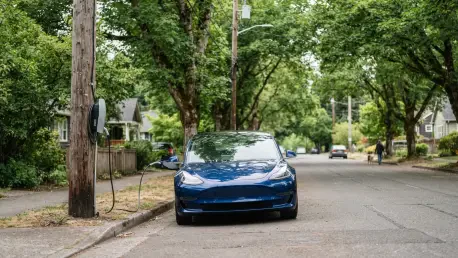

By utilizing existing utility poles for electric vehicle charging stations, Puget Sound Energy avoids the costly trenching and sidewalk disruption associated with traditional ground pedestals. This innovative approach represents a significant leap forward in urban planning, specifically within the tech-centric corridors of Redmond. As the demand for sustainable transportation options intensifies, the utility has prioritized collaborative strategies with local municipalities to ensure that the infrastructure keeps pace with the rapid adoption of electric mobility. This partnership is not merely about installing hardware; it is a concerted effort to dismantle systemic barriers that have historically prevented widespread access to clean energy. By integrating charging solutions into the existing urban fabric, the initiative supports the city’s broader environmental objectives while providing a practical roadmap for other regions looking to modernize their energy grids. This proactive methodology ensures that the transition to a net-zero future remains inclusive and efficient for every driver in the Pacific Northwest.
Innovative Pole-Mounted Charging Solutions
The deployment of pole-mounted systems marks a departure from traditional installation methods that often require tearing up pavement and redirecting pedestrian traffic. In Redmond, these chargers are strategically affixed to existing utility poles and streetlights, a move that leverages the city’s current infrastructure to provide immediate benefits to the community. The centerpiece of this rollout is a new dual-charger installation near Marymoor Park, an area characterized by high foot traffic and heavy recreational use. This specific location was chosen to maximize visibility and convenience, allowing two vehicles to draw power simultaneously from a single footprint. By eliminating the need for ground-mounted pedestals, Puget Sound Energy has managed to reduce the overall cost of deployment while speeding up the timeline for activation. This efficiency is critical in a city like Redmond, where the pressure to expand green infrastructure is constant and the space for new construction is often limited by existing urban density.
Beyond the initial installation benefits, the design of these pole-mounted units incorporates several features tailored to the unique challenges of the Pacific Northwest environment. Each station is equipped with retractable charging cords that automatically return to an elevated position when not in use. This design choice is fundamental for maintaining ADA compliance along busy city sidewalks, as it prevents cables from becoming tripping hazards or obstacles for those with mobility aids. Furthermore, keeping the sensitive electrical components and cables off the ground protects them from the damaging effects of heavy rainfall and potential street-level vandalism. This focus on durability and public safety ensures that the equipment remains operational with minimal maintenance requirements. By prioritizing a seamless integration into the streetscape, the utility provides a solution that feels like a natural extension of the city’s infrastructure rather than an intrusive addition. This attention to detail reflects a sophisticated understanding of how modern technology must coexist with the daily lives of city residents.
Community Accessibility: Closing the Charging Gap for All Residents
Addressing the logistical hurdles of EV ownership is paramount, especially for the significant portion of the population that resides in multi-family housing or rental properties. Current data suggests that approximately 25 percent of residents lack access to dedicated parking where they can install a private charging unit, creating a significant “charging gap.” This disparity often acts as a deterrent for potential EV buyers who are otherwise eager to transition away from internal combustion engines. To bridge this divide, the expansion efforts in Redmond are specifically targeted at public spaces, transit hubs, and commercial centers where residents naturally congregate. By providing reliable Level 2 charging in these accessible locations, Puget Sound Energy ensures that the benefits of electric mobility are not restricted to homeowners with private garages. This commitment to equitable access is a cornerstone of the regional strategy, fostering an environment where every citizen, regardless of their housing situation, has the opportunity to participate in the burgeoning green economy.
Redmond currently boasts a remarkably high rate of electric vehicle adoption, with nearly one out of every four households operating an EV. To sustain this momentum and meet the city’s ambitious goal of achieving net-zero emissions from municipal operations by 2040, the expansion of the public charging network must be both rapid and strategic. The presence of visible, reliable charging stations serves as a powerful psychological nudge, reassuring drivers that they can find power whenever and wherever they need it. This infrastructure acts as the backbone for the city’s environmental policy, transforming abstract carbon-reduction goals into tangible community assets. As the population continues to grow and more residents make the switch to electric transport, the demand on the grid and the physical space for charging will only increase. By establishing a robust network now, the city and the utility are future-proofing the region’s energy landscape, ensuring that Redmond remains at the forefront of the global movement toward sustainable, low-carbon urban living.
Future Framework: Strategic Regional Implementation and Scaling
The scope of the electrification initiative extends far beyond passenger vehicles, reaching into the critical sector of public safety and heavy-duty municipal fleets. A landmark development in this area is the Redmond Fire Department’s integration of the state’s first electric fire engine, a transition supported by a high-capacity 240-kilowatt charger. This specialized piece of equipment, facilitated through the “Up & Go Electric for Fleet” program, is designed to handle the immense power requirements of emergency response vehicles that must be ready for deployment at a moment’s notice. The financial viability of such a project was bolstered by substantial incentives provided by Puget Sound Energy, which offered up to $250,000 to cover installation costs. This model of public-private partnership demonstrates how utility-led financial support can empower local government agencies to adopt cutting-edge technology that might otherwise be cost-prohibitive. By successfully electrifying such a demanding part of the municipal fleet, the project serves as a proof of concept for other cities looking to modernize their emergency services.
The regional implementation of the charging network expanded into neighboring cities like Issaquah and Bothell, building on the success of the Redmond projects. This standardized approach to installation and pricing ensured a consistent experience for drivers as they traveled across the Eastside. For instance, the cost of using these Level 2 chargers remained at 28 cents per kilowatt-hour, providing a predictable expense for consumers. Moreover, the integration of multiple payment methods removed traditional barriers for new users. The utility maintained a target of installing between ten and fifteen new charging stations annually, a pace that allowed for steady growth and grid management. This scalable framework proved essential for maintaining the region’s competitive edge. Ultimately, the collaborative efforts between utility providers and local governments established a resilient foundation. Stakeholders successfully prioritized accessibility and innovation, ensuring that the infrastructure evolved to meet the dynamic needs of a modern, electrified society.