
The Q3 semi-truck features a high-performance dual-motor configuration capable of generating 805 horsepower to manage gross combined weights of up to 108,000 pounds. This technological achievement serves as the centerpiece for the recent celebration of the 150,000th new energy commercial vehicle produced at a specialized manufacturing hub in Huai’an. The transition from a manufacturer primarily known for electric buses and passenger cars to a leader in heavy-duty logistics marks the culmination of eighteen years of intensive research and development within the clean energy sector. This milestone is not merely a numerical success but a symbolic pivot toward the high-stakes world of long-haul transport and regional freight logistics. By integrating advanced battery technologies into the trucking sector, the company is positioning itself as a comprehensive industrial titan capable of redefining how goods move across continents while maintaining a firm commitment to zero-emission operations.
Engineering this transition required a technological flagship that could meet the rigorous demands of global logistics and freight operations. The Q3 semi-truck stands as the embodiment of these ambitions, designed to handle the intense workload of port logistics and regional distribution centers. By leveraging decades of experience in battery chemistry and electric drivetrains, the manufacturer has developed a platform that balances immense power with the reliability expected by commercial fleet operators. This shift from consumer-focused vehicles to industrial-grade machinery highlights a broader strategic maturity, as the company seeks to dominate the entire transportation ecosystem. The production of the 150,000th unit signals that the phase of experimentation has ended, giving way to a period of massive industrial scaling. This development fundamentally alters the competitive landscape, challenging traditional truck manufacturers to accelerate their own electrification efforts to remain relevant.
Advancing Heavy-Duty Performance and Market Reach
High-Performance Hardware: The Blade Battery and Specialized Charging
At the heart of the Q3’s design is a commercial-grade iteration of the proprietary Blade Battery technology, which has already proven its worth in the consumer sector. Utilizing lithium iron phosphate chemistry, this battery system is engineered for the extreme thermal stability and mechanical durability required for the rigorous cycles of daily freight transport. The massive battery pack offers a capacity of up to 600 kWh, providing the necessary energy density to move substantial loads without the safety risks often associated with traditional cobalt-based chemistries. By refining this technology specifically for the trucking industry, the company has managed to achieve a balance between weight, safety, and power output. This engineering focus ensures that the vehicles can withstand the physical stresses of heavy hauling while maintaining a consistent performance profile over many years. Such technical reliability is essential for gaining the trust of traditional logistics firms.
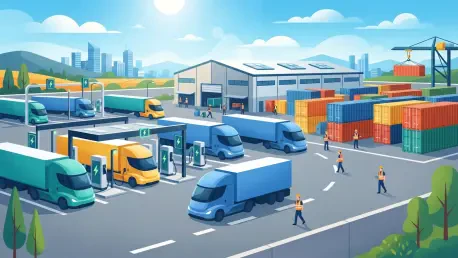
Operational efficiency remains a primary concern for fleet managers, and the Q3 addresses this through specialized charging solutions designed for rapid turnaround. While a range of 202 miles per charge is optimized for regional port logistics and hub-to-hub distribution, the implementation of dual-gun DC fast charging is what truly differentiates this vehicle in a busy industrial setting. This system allows the massive battery to be replenished from twenty percent to eighty percent in just thirty minutes, effectively mirroring the refueling time of traditional diesel engines when accounting for standard driver breaks. High vehicle utilization is a critical metric in commercial transportation, and by minimizing downtime, the manufacturer ensures that electric trucks can integrate seamlessly into existing schedules. The ability to maintain near-constant operation allows companies to realize a faster return on investment through reduced fuel and maintenance costs.
Capitalizing on Growth: Diversification in a Saturated Market
Recent sales data from the first three quarters of the year highlights a significant shift in the business model as the passenger vehicle market faces increasing saturation and intense price competition. While total vehicle sales across all sectors saw a slight dip, the commercial division experienced explosive growth, with sales of commercial new energy vehicles surging by over 113 percent in a single month. By expanding its lineup to include everything from T4 mini-trucks and T5 light-duty models to specialized cold-chain logistics vehicles, the company is successfully diversifying its revenue streams into a new ocean of opportunity. This strategy allows for high-growth potential in the commercial sector that offsets the volatility currently found in the consumer car market. Each of these models is built on a modular platform that allows for rapid customization based on the specific needs of the client, ensuring that no segment of the commercial market is left behind.
The expansion into specialized sectors like cold-chain logistics demonstrates a deep understanding of the unique challenges faced by modern transport companies. Maintaining precise temperature control while powering a heavy-duty drivetrain requires sophisticated energy management software and highly efficient cooling systems. By providing these specialized solutions, the manufacturer has moved beyond simple vehicle sales to become a vital partner in the global supply chain. This approach has allowed the company to capture market share in industries that were previously considered too difficult for electrification. As the demand for sustainable delivery solutions continues to rise among major retailers and grocery chains, the availability of a diverse fleet of electric trucks provides a significant competitive advantage. This diversification not only protects against market fluctuations but also establishes the brand as a versatile leader in the global transition to clean energy.
Global Strategy and Integrated Ecosystems
International Expansion: Providing Integrated Logistics Solutions
The international influence of this commercial expansion now spans more than 70 countries, reflecting a mature global strategy that goes beyond simple hardware sales. Rather than just exporting trucks, the company provides integrated zero-carbon logistics solutions that encompass the entire operational lifecycle of the fleet. At major international trade shows like the IAA Transportation event in Hanover, the value proposition has been shown to include specialized charging infrastructure, sophisticated fleet management software, and comprehensive maintenance support. This holistic approach is specifically designed to lower the barrier to entry for foreign fleet operators who may be concerned about the complexities of switching from diesel to electric drivetrains. By offering a turnkey solution, the manufacturer effectively removes the technical hurdles that often prevent international companies from making the switch to more sustainable heavy-duty electric fleets.
Standardizing high-performance components across different vehicle classes has allowed for significant economies of scale and reliable performance throughout the global fleet. By migrating Blade Battery technology from passenger cars to heavy trucks, the company has achieved a level of industrial synergy that is difficult for competitors to replicate. Furthermore, the continued development of hybrid models provides a necessary bridge for regions where the charging infrastructure is still maturing or where long-haul routes exceed current battery limits. This dual-track approach ensures that the company can remain a dominant force in a variety of geographic markets with varying levels of technological readiness. Additionally, the move toward becoming a service provider rather than just an equipment manufacturer has allowed for deeper integration into the global supply chain, helping businesses reduce their carbon footprints while simultaneously improving their bottom-line performance.
Future Industry Standards: The Path to Sustainable Operations
The successful deployment of the 150,000th commercial vehicle established a clear roadmap for the future of sustainable industrial logistics through integrated service models. Fleet operators were encouraged to move beyond the traditional purchase-and-maintain mindset and instead adopt a service-oriented approach that prioritized energy efficiency and carbon reduction. By leveraging advanced data analytics, businesses identified specific routes where electric semi-trucks provided the highest cost savings, allowing for a phased transition of their entire fleets. The focus shifted toward building private charging hubs at key logistics nodes, which secured reliable power and bypassed the limitations of public infrastructure. As the industry moved forward, the integration of renewable energy sources into these charging networks became the next logical step for achieving true zero-emission transport. These actionable strategies provided a framework for companies to remain competitive.