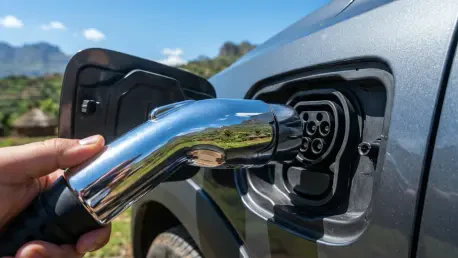

The long-term success of Ethiopia’s green economy depends entirely on bridging the gap between its ambitious deployment goals and the actual stability of its energy sector. In the current landscape of 2026, Ethiopia has emerged as a compelling global outlier that presents a unique case study for developing nations. While many countries struggle to incentivize the adoption of green technology, Ethiopia has achieved a deployment score of 45 percent, according to the latest Electrification Competitiveness Index. This figure stands in stark contrast to an enabling-conditions score of only 38 percent, highlighting a dangerous imbalance. This discrepancy indicates that while the country is successfully populating its roads with electric vehicles, it has failed to establish the foundational systems required to support them over the long term. This positioning places the nation in a precarious category alongside much larger economies, suggesting that without immediate intervention, the momentum of this transition is at significant risk of stalling completely.
Government Mandates: The Shift to Electric Mobility
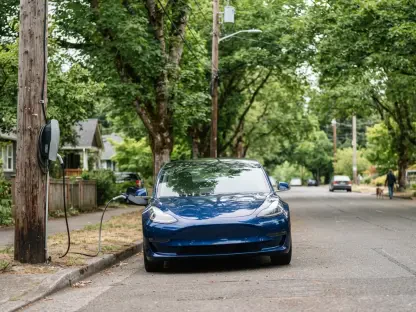
The rapid expansion of the electric vehicle market across Ethiopia is not merely a result of organic consumer interest but is driven by decisive government mandates. Faced with the crushing economic burden of imported petroleum, the administration took the bold step of implementing strict bans on the importation of internal combustion engine passenger vehicles. This intervention forced a radical shift in the automotive market, resulting in a scenario where roughly 60 percent of all new passenger car purchases in 2026 are fully electric. Such a rapid transition demonstrates the power of regulatory frameworks to alter national consumption patterns almost overnight. However, this top-down approach has also created a market that is heavily dependent on the continued availability of affordable hardware and the reliability of the domestic power supply. The success of this policy depends on whether the local infrastructure can evolve fast enough to handle the sheer volume of new vehicles.
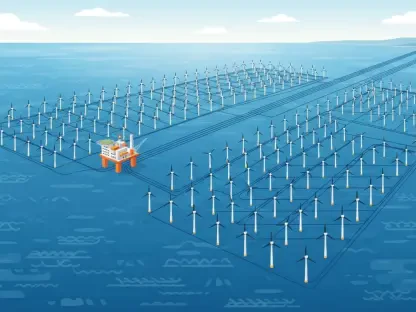
Supporting this transition is the immense potential of Ethiopia’s domestic energy profile, which is centered on renewable resources. The utilization of hydropower, spearheaded by the continued optimization of the Grand Ethiopian Renaissance Dam, provides a source of low-cost, domestically produced electricity that serves as a powerful alternative to foreign fossil fuels. This natural advantage allows the government to present a compelling economic argument to citizens: the adoption of electric mobility is both a patriotic act of energy independence and a practical way to reduce daily transportation costs. By leveraging these renewable assets, the nation aims to insulate its economy from the volatility of global oil prices while simultaneously pursuing its environmental objectives. Nevertheless, the reliance on a single primary energy source introduces systemic vulnerabilities, particularly if the distribution network remains incapable of effectively channeling this power from massive dams to the localized charging points required by urban commuters.
Technical Infrastructure: Reliability and Distribution Gaps
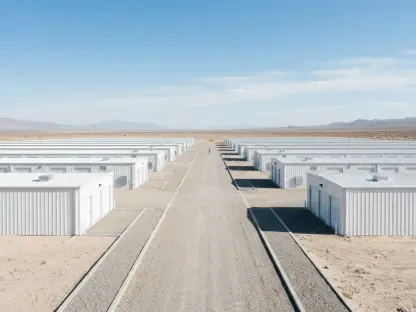
Despite the impressive surge in vehicle deployment, the physical electricity network has become the most significant bottleneck in the national transition strategy. The energy system is currently operating under a fragile framework where the capacity to generate power far exceeds the capacity to distribute it. Transmission lines and aging substations are frequently overwhelmed by the increased load demanded by a growing national electric fleet, leading to chronic instability. Frequent power outages and significant voltage fluctuations are not just inconveniences; they represent a direct threat to the longevity of expensive electric vehicle batteries and the overall operational efficiency of the transport sector. Without significant investment in modernizing the grid, the private sector remains hesitant to commit the capital necessary to build a comprehensive network of fast-charging stations. This infrastructure gap creates a ceiling for the growth of the electric market, as potential buyers fear being stranded by a lack of reliable power.
The push toward high-tech transportation also highlights a profound socio-economic divide that characterizes the modern Ethiopian energy landscape. While the government celebrates the high percentage of electric cars in urban centers, approximately 85 million people across the country still lack access to basic electricity in 2026. With a national electrification rate hovering around 35 percent, the focus on electric vehicles appears to cater to a narrow urban elite while the rural majority remains trapped in energy poverty. For these millions, traditional biomass fuels like wood and charcoal remain the primary sources for cooking and heating, contributing to environmental degradation and health risks. This disparity creates a political and social tension that may complicate future energy policy. For the transition to be truly sustainable and equitable, the expansion of the electrical grid must prioritize rural access alongside urban mobility, ensuring that the benefits of the nation’s vast hydropower resources are shared across all segments of the population.
Future Sustainability: Human Capital and Enabling Systems
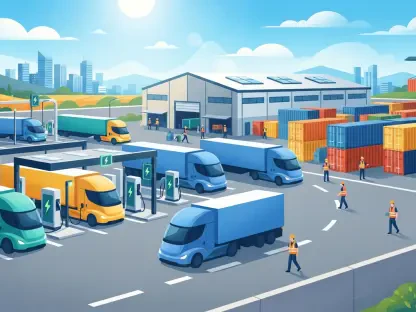
A sustainable transition to electric mobility requires more than just functional wires and charging stations; it demands a robust ecosystem of skilled professionals. Ethiopia currently faces a severe shortage of technicians, engineers, and specialized service providers who are capable of maintaining high-tech electric fleets and complex high-voltage infrastructure. This lack of human capital increases the total cost of ownership for businesses that have invested in electric delivery vans or industrial machinery, as specialized repairs often require expensive parts or foreign expertise. For a logistics company, the operational risk of a vehicle being out of service for weeks due to a lack of local maintenance talent is a major deterrent to fleet electrification. Without a comprehensive workforce development strategy that aligns educational curricula with the needs of the emerging green economy, the transition risks being limited to a disposable technology phase rather than a permanent industrial shift. Technical training programs must be scaled up to meet the current demand.
The path forward for Ethiopia required a fundamental shift from a deployment-focused strategy to one that prioritized the foundational stability of the entire energy ecosystem. To avoid the risk of stalling, the administration was tasked with implementing massive investments in distribution infrastructure and creating a transparent regulatory environment that welcomed private finance. These steps were necessary to ensure that the initial surge in vehicle imports did not lead to a systemic failure as the grid reached its physical limits. Furthermore, the integration of workforce training programs became a vital component in sustaining the longevity of the electric fleet. By addressing the disparities in energy access between urban and rural regions, the government sought to create a more inclusive green economy that provided value beyond simple mobility. The ultimate success of this transition was determined by the ability of policymakers to synchronize the arrival of new technologies with the expansion of a reliable, high-capacity power network that could support the needs of all citizens.