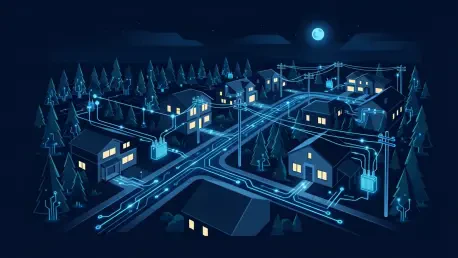

The howling winds of Hurricane Isaias recently transformed the lush Florida Panhandle into a landscape of splintered pine and tangled utility lines, yet the subsequent restoration of power occurred with a digital precision that suggests the age of month-long blackouts is finally coming to an end. When the storm slammed into the coast as a Category 2 hurricane near Destin, the immediate visual was one of total chaos. However, beneath the surface of the wreckage, a silent digital defense was already working to mitigate the damage. While nearly a million people initially lost power, the restoration process moved at a pace that would have been impossible a decade ago.
The Invisible Shield Against the Storm
The difference in this recovery lay in the transition from a passive electrical grid to an intelligent, self-healing network. This shift raised a critical question for coastal residents regarding how much of the return to normalcy was owed to “smart” infrastructure rather than just manual labor. Instead of waiting for customers to call in a report, the system identified its own fractures in real-time, allowing engineers to visualize the damage from remote command centers before the rain even stopped.
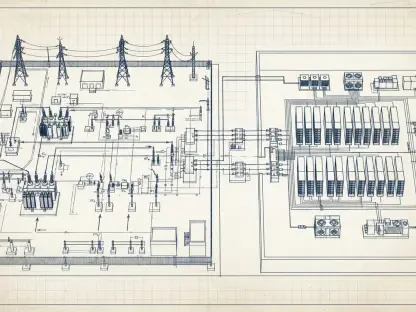
Modern restoration efforts no longer rely solely on the sight of a service truck patrolling the streets. Digital sensors and automated switches now form a protective layer that isolates damage, preventing a single fallen branch from cascading into a regional blackout. This invisible shield has fundamentally altered the expectations for disaster response, turning what used to be a weeks-long struggle into a matter of days for the vast majority of consumers.
Why Modernizing the Grid: A Race Against Time
Modernizing the grid has become an urgent race against time as hurricanes grow more frequent and intense. The vulnerability of the traditional electrical distribution system has evolved into a significant national security and economic concern. Because the Southeastern United States serves as a primary testing ground for grid resilience, the stakes involve more than just residential comfort; they encompass the stability of regional energy production and the safety of millions of people.
Understanding the effectiveness of these technological investments remains essential for justifying the high costs of infrastructure hardening. As climate-driven disruptions become the standard, the push to move beyond 20th-century technology has become a necessity for economic survival. Utilities now prioritize these upgrades to prevent the catastrophic failures that once defined the aftermath of major Atlantic storms, ensuring that the regional economy can rebound quickly after a hit.
Quantifying the Impact of Smart Grid Advancements
Florida Power & Light reported that smart grid systems successfully bypassed and prevented over 130,000 potential outages during the storm. This allowed the system to reroute power automatically, often before customers even noticed a flicker in their lights. By isolating damaged segments of the grid, the digital architecture ensured that a single downed tree did not plunge an entire zip code into darkness, significantly reducing the initial burden on repair crews.
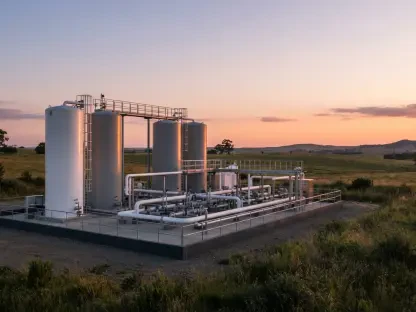
Initial data also indicated that underground power lines were eight times more reliable than traditional overhead lines, proving that physical hardening is just as vital as digital intelligence. Furthermore, the strategic shutdown and rapid evaluation of Gulf Coast oil and gas platforms—63% of which were halted for safety—prevented long-term environmental and economic catastrophes. This high level of coordination ensured that the energy supply chain remained intact despite the distribution hurdles faced on the ground.
Expert Perspectives on the Human-Tech Synergy
Utility leaders from Duke Energy and Florida Power & Light emphasized that while the smart grid is a powerful tool, it does not replace the need for massive labor mobilization. Experts pointed to the deployment of 17,000 personnel from 29 different states as the “muscle” that complemented the smart grid’s “brain.” This synergy allowed the utility providers to drop peak outages from 950,000 to 160,000 in just three days, demonstrating how technology accelerates human effort.
Analysts noted that while the technology performed admirably, it met its match in the heavy vegetation of the Florida Panhandle. Severe tree damage and debris forced utilities to recalibrate their timelines, proving that even the smartest grid remains subject to the laws of physical debris. The restoration efforts showed that digital sensors can find a fault with pinpoint accuracy, but they cannot remove a thousand-pound oak tree from a primary feeder line without human intervention.
Strategies for Building a More Resilient Future
Future resilience depended on prioritizing selective undergrounding in high-wind corridors where traditional poles were most susceptible to snapping. Industry leaders determined that expanding the use of self-healing logic through smart switches was the most effective way to isolate damage to a single block. This strategy prevented localized faults from triggering multi-county blackouts during the most recent storm cycles.
Utilities also integrated predictive data for labor deployment, using pre-storm diagnostics to position repair crews in “hot zones” before landfall. This approach reduced travel time through debris-clogged roads and maximized the efficiency of the 17,000 workers on the ground. Maintaining aggressive tree-trimming schedules ensured that the physical environment did not overwhelm the digital safeguards, creating a balanced defense strategy for the years spanning 2026 to 2030.