
The presence of three thousand eight hundred eighty fuel assemblies prevents the total de-licensing of the property despite the near-total removal of the physical plant. This paradox defines the current state of the Vernon, Vermont site, where NorthStar has executed a remarkably efficient demolition of the former nuclear powerhouse. By reaching a 99 percent completion milestone three years ahead of the original 2030 target, the project has effectively erased the massive cooling towers and reactor structures that once dominated the skyline. However, the technical conclusion of physical work does not equate to a total departure from the site’s atomic heritage. While the landscape looks remarkably different today, the invisible regulatory boundaries remain firmly in place due to the storage requirements of high-level waste. This transformation represents a critical test case for how aging industrial complexes can be scrubbed while accommodating stranded nuclear components.
The Regulatory Impasse: Defining the Boundaries of Decommissioning
The distinction between physical demolition and full environmental liberation is rooted in the complex guidelines established by the Nuclear Regulatory Commission. Under federal law, decommissioning specifically refers to the removal of radioactive contamination from buildings and soil to levels that allow for unrestricted land use, yet this process intentionally excludes the long-term management of spent nuclear fuel. At the Vernon facility, the remaining 58 steel-and-concrete dry casks contain thousands of fuel assemblies that once powered the regional grid. These massive structures, each standing twenty feet tall, now exist within a designated nuclear island that must remain under a restrictive license even as the surrounding 140 acres are remediated. This creates a unique land-use challenge where the majority of the property is functionally clean and ready for redevelopment, while a small, high-security enclave remains under strict federal oversight for the foreseeable future.
This persistent nuclear footprint is not a failure of local engineering but a direct consequence of a decades-long federal impasse regarding permanent waste disposal. Despite a legal mandate dating back to the late 20th century for the Department of Energy to begin accepting commercial waste, the absence of a national repository has left fuel assemblies stranded at sites across the country. Current planning cycles suggest that the fuel currently stored in Vernon might not leave the property until at least 2052, or even later depending on the development of centralized storage facilities. This logistical reality forces stakeholders to adopt a dual-track strategy: maintaining the security of the casks while aggressively pursuing economic reuse for the portions of the land that have been successfully de-licensed. The situation in Vermont highlights a broader national trend where former industrial giants must find ways to pivot toward new energy models despite being anchored by legacy materials.
Advancing Battery Infrastructure: A New Economic Vision
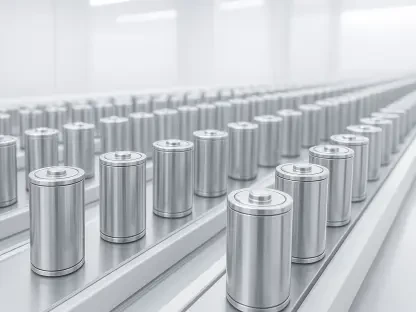
To revitalize the economic utility of the Vernon site, developers are utilizing the “partial site release” framework to introduce modern utility solutions. PowerTransitions, a developer based in Texas, has proposed an ambitious battery storage facility that would occupy roughly 15 acres of the remediated land. This project is designed to provide up to 440 megawatts of storage capacity, a scale that would significantly overshadow current storage efforts throughout the state. By repurposing the existing electrical infrastructure that once served the nuclear reactor, the project can efficiently feed energy back into the New England grid. This transition mirrors successful remediations elsewhere, such as the Rancho Seco facility in California, where renewable energy projects and public spaces now coexist alongside licensed fuel storage areas. Such a model demonstrates that the presence of spent fuel does not have to be a death knell for local economic development or grid modernization efforts.
While the physical remediation of the site is nearly complete, the transition to battery storage has pivoted public discourse toward modern industrial safety protocols. Unlike the former reactor pools, the dry casks currently on-site are passive systems that require no moving parts or external power, emitting radiation levels far below the natural background exposure experienced by the average citizen. However, the introduction of lithium-ion technology has prompted local inquiries regarding the specific hazards of a fire-on-fire scenario. Community members have expressed concerns about how a large-scale battery fire might impact the nearby nuclear casks. Although the casks are engineered to withstand extreme temperatures and explosions, the regulatory review must thoroughly address these modern hazards. Ensuring the coexistence of high-density energy storage and nuclear waste requires a rigorous analysis of thermal risks and emergency response capabilities that go beyond traditional radiation safety models.
The Path Forward: Navigating State Approval and Oversight
The movement toward a battery storage hub is currently moving through a detailed state-level review process that prioritizes environmental safety and public interest. To proceed, PowerTransitions must secure a certificate of public good from the Vermont Public Utility Commission, a step that allows for formal public intervention and intensive technical scrutiny. This regulatory gatekeeping ensures that every aspect of the project, from fire suppression systems to the structural integrity of the site, is evaluated against current standards. The developer has emphasized that construction will not begin until these legal hurdles are cleared and local support is solidified, a process that is likely to span the next three to five years. This methodical approach is essential for maintaining public trust, as it allows for a transparent dialogue regarding the integration of emerging green technologies into a landscape that was defined by nuclear power for over forty years, creating a modern utility hub.
Stakeholders successfully managed the transition from active nuclear operations to the final phases of physical demolition, setting a precedent for private-sector efficiency in plant decommissioning. The completion of nearly all structural teardowns provided a clean slate for the community to re-imagine its industrial identity while acknowledging the permanence of the fuel casks. Moving forward, the focus shifted toward establishing robust inter-agency cooperation to manage the specific risks associated with hybrid energy sites. Future projects of this nature prioritized the integration of advanced fire suppression technologies that specifically targeted the unique thermal profiles of lithium-ion arrays. It also became vital for federal policy to accelerate the development of interim storage solutions to eventually alleviate the burden of on-site fuel management. By creating a template for land reuse that balanced safety with economic progress, the Vernon project offered a glimpse into a future where legacy sites served as the backbone of a resilient renewable grid.