
Christopher Hailstone brings decades of expertise in energy management and grid reliability to our discussion on current energy markets. As the global energy landscape grapples with regional conflicts and supply chain vulnerabilities, his perspective on the stability of our utilities is critical. We explore the precarious state of global oil inventories and the geopolitical tensions threatening maritime arteries. Our conversation focuses on the logistical challenges of refilling reserves, the impact of shipping disruptions, and the reality of “unavailable” fuel stocks.
How would you characterize the current strain on global energy systems following the massive loss of nearly 3 billion barrels of oil supply?
The loss of 3 billion barrels since the conflict intensified this past February has left the global energy system in a state of extreme fragility. When you realize that only 1 billion barrels have been released to mitigate this, the sheer scale of the deficit becomes alarming and deeply felt across all sectors. We see the strain reflected in the markets, with Brent crude trading at $102.92 per barrel, signaling a deep-seated anxiety among traders. This isn’t just a minor supply hiccup; it is a fundamental disruption that has the entire industry operating on a knife’s edge while waiting for confidence to return.
In light of the two-year timeline mentioned for replenishing inventories, what specific hurdles do you believe will define this recovery period?
The two-year timeline is a sobering estimate because it acknowledges that we cannot simply flip a switch to fix the supply-demand imbalance. Even if the geopolitical situation stabilizes today, refilling those depleted commercial inventories while simultaneously meeting daily global consumption is a logistical mountain to climb. We are looking at a long period where the margin for error is non-existent, and any further shipping disruptions would extend that recovery window. This vulnerability means the energy market will remain sensitive to every piece of news, keeping prices like the $90.76 for West Texas Intermediate highly reactive.
What are the broader implications of the recent incidents in the Strait of Hormuz regarding the security of the 20% of global oil that passes through it?
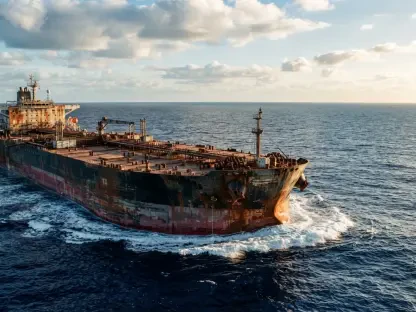
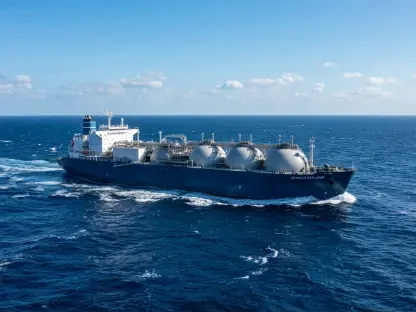
The Strait of Hormuz is the world’s most critical energy chokepoint, and seeing a tanker forced to turn back just 11 nautical miles north of Khasab highlights how precarious this is. When 20% of the world’s oil and liquefied natural gas supplies are at the mercy of such local volatility, the entire global economy feels the tremor. The threat of being targeted creates a climate of fear for maritime operators, which translates into higher insurance costs and erratic shipping schedules. It is a visceral reminder that our global energy security is tied to a narrow, contested stretch of water that is currently failing to provide safe passage.
With the G7 releasing 100 million barrels of reserves, how effective can such measures be when 6 billion barrels in storage are reportedly not practically available?
The G7’s release of 100 million barrels is a necessary gesture, but it’s essentially a drop in the bucket compared to the 3 billion barrels already lost. The most concerning part of the current landscape is the 6 billion barrels that remain in storage but are effectively “locked away” from the market. These reserves often consist of strategic minimums or technical buffers that cannot be drawn down without risking a complete system collapse. It creates a dangerous illusion of plenty when, in reality, the usable cushion is far smaller than the public realizes.
What is your forecast for the stability of global energy prices over the next several months?
I expect we will see a period of persistent volatility as the market continues to grapple with a deficit that has not been adequately filled by emergency releases. While Middle East crude exports are trending higher through the East-West pipeline, the underlying threat in the Strait of Hormuz will keep Brent prices elevated. The replenishment of stocks is going to be a multi-year process, meaning we should prepare for a “new normal” of higher prices and tight supplies. Until the 2 billion barrel gap is meaningfully addressed and shipping lanes are fully secured, the global energy system will remain in a state of high-alert tension.