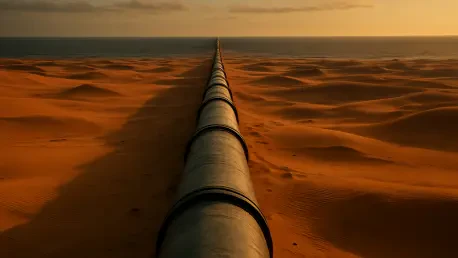

The transition toward alternative pipelines marks a permanent structural shift that permanently dilutes Iran’s historical influence over international energy security. Building on this development, the regional energy landscape has undergone a profound transformation as neighboring nations actively decouple their export capabilities from the narrow choke point of the Strait. For decades, the threat of a maritime blockade served as a potent geopolitical tool for Tehran, yet current data reveals a startling resilience in global markets. Recent figures show that non-Iranian Gulf nations have successfully rerouted 40 percent of their crude exports through land-based pipelines, a dramatic surge from the 17 percent recorded in previous quarters. Even as regional tensions simmer, the total volume of oil transiting the area has reached 24 million barrels per day, surpassing levels seen before the recent escalations. This surge, despite localized skirmishes, proves that energy security is increasingly independent from naval risks. Investments in Saudi and Emirati pipelines have created a bypass that renders the old threat of a total maritime shutdown increasingly obsolete.
Economic Friction: The High Cost of Bypassing Conflict
While the physical flow of oil continues unabated, the logistical environment has evolved into a high-stakes theater of technological evasion and economic strain. The failure to engineer a true global shortage has not spared the market from significant friction. Shipping costs to major Asian hubs, particularly China, have reached historic peaks, and war-risk insurance premiums have tripled as underwriters adjust to the reality of persistent drone and missile threats. To maintain these vital flows, maritime operators have resorted to dark operations, where tankers disable their Automatic Identification Systems and conduct mid-sea transfers to evade detection and lower their profile. Seafarers are now demanding and receiving massive hazard bonuses to navigate these waters, adding another layer of expense to every barrel delivered. This environment has sustained Brent crude at roughly $108 per barrel, while American consumers feel the pressure at $6 per gallon. These elevated costs represent a new baseline for energy commerce where security is bought through expensive logistics.
Strategic Stability: Navigating the New Maritime Reality
Moving forward, the international community prioritized the hardening of this new pipeline infrastructure while maintaining the robust naval presence overseen by U.S. Central Command. The strategic failure of the blockade model suggested that investments focused on further expanding land-based transit capacities across the Arabian Peninsula to ensure that maritime disruptions could never again dictate global price points. Policy makers and energy firms looked toward secondary land routes as the primary safeguard against regional volatility, shifting their focus away from temporary naval escorts toward permanent terrestrial solutions. Enhancing the cyber-physical security of these pipelines became a top priority as the conflict shifted from the waves to the sand. Ultimately, the era of using the Strait as a weapon reached its conclusion through a combination of engineering prowess and military deterrence. Stakeholders recognized that while the waters remained hazardous, they were no longer the only path to market. This structural independence provided the foundation for a more resilient global energy strategy.