
The rapid expansion of solar energy capacity across the European continent has fundamentally altered the relationship between economic stability and global fossil fuel markets. As the region navigates the complexities of the mid-2020s, the transition from volatile imported gas to a decentralized photovoltaic network has provided an essential buffer against international price shocks. This shift is not merely an environmental endeavor but a strategic fiscal policy designed to protect both households and heavy industry from the inflationary pressures of energy scarcity. Analysts have noted that during periods of high demand, the consistent output from large-scale solar farms has effectively capped wholesale electricity prices, preventing the spikes that previously crippled manufacturing sectors. By decoupling local economies from the whims of external suppliers, European nations have begun to reclaim their industrial sovereignty. This newfound stability allows for more accurate long-term financial planning, as the predictable nature of solar generation contrasts sharply with the erratic behavior of traditional thermal energy sources.
Economic Resilience through Renewable Infrastructure
Financial Impact: Wholesale Market Stability
The direct economic benefits of scaling up solar production are becoming increasingly evident as utility providers report a substantial reduction in the marginal cost of electricity during peak daylight hours. High electricity prices previously threatened the viability of energy-intensive sectors, but the massive influx of solar power into the national grids of Germany, Spain, and Poland helped stabilize the wholesale market significantly. The avoidance of carbon taxes associated with fossil fuels further incentivized this transition, allowing companies to allocate capital toward innovation rather than utility overhead. Furthermore, the modular nature of solar technology allowed for rapid deployment, meaning that capacity could be added in a fraction of the time required to build traditional thermal power plants. As these renewable assets matured, the return on investment became more pronounced, fostering a cycle of reinvestment into cleaner technologies that bolstered regional growth.
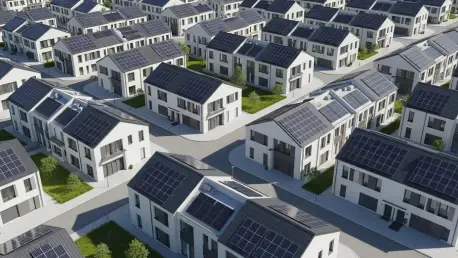
In addition to utility-scale projects, the surge in residential and commercial rooftop installations has democratized energy production, further insulating the public from rising fossil fuel costs. Small and medium-sized enterprises (SMEs) have utilized solar arrays to lower their operational expenditures, providing them with a competitive edge in an increasingly expensive global market. This trend toward self-consumption has reduced the overall demand on the centralized grid, which in turn lowered the necessity for expensive gas-fired peaking plants during the day. Financial institutions have responded by creating innovative green financing products that lower the barrier to entry for solar adoption, ensuring that even lower-income regions can participate in the transition. The resulting reduction in energy poverty has had a profound social impact, as households diverted savings from utility bills into local economies. This widespread participation in the energy market has turned consumers into active stakeholders in the continent’s long-term fiscal resilience.
Strategic Integration: Storage and Policy
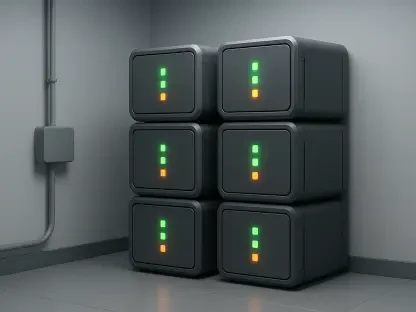
The integration of advanced battery energy storage systems (BESS) has addressed the historical challenge of intermittency, allowing solar energy collected during the day to be utilized during peak evening hours. Modern grid management software, enhanced by artificial intelligence, now predicts demand patterns with high accuracy, ensuring that solar assets are dispatched efficiently across interconnected national borders. This technological evolution transformed the grid from a passive distribution system into a dynamic, responsive network capable of absorbing massive amounts of renewable energy without sacrificing reliability. Strategic investments in high-voltage direct current (HVDC) lines allowed surplus solar power from southern Europe to be transmitted to industrial hubs in the north, creating a more cohesive energy union. Furthermore, the development of domestic manufacturing for solar components reduced the risks associated with global supply chain disruptions, ensuring that the infrastructure remained resilient.
The path toward complete energy independence required a comprehensive overhaul of regulatory frameworks to streamline the permitting processes for large-scale solar farms and rooftop installations. Policymakers recognized that the speed of the transition was directly linked to the removal of bureaucratic hurdles that had previously slowed the adoption of green technologies. By standardizing rules across member states, the European Union facilitated a more efficient flow of investment capital into the renewable sector. This regulatory clarity encouraged financial institutions to offer more favorable terms for green bonds, fueling a surge in infrastructure development from 2026 to 2030. The emphasis shifted toward building a circular economy for solar materials, ensuring that the lifecycle of every panel contributed to overall sustainability goals. Ultimately, the decisive actions taken to prioritize solar energy successfully diminished the leverage of fossil fuel exporters, granting the continent a level of strategic autonomy that was once considered unattainable.