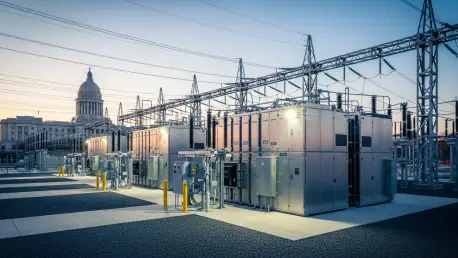

While the global conversation regarding sustainable power usually circles around the dominance of lithium-ion technology, the city of Lincoln is rewriting the script by betting on the chemical resilience of zinc to fortify its municipal grid. The move signals a departure from conventional energy storage trends, emphasizing that urban safety and long-term reliability require more than just the most popular hardware. As Lincoln Electric System finishes the commissioning of its latest installation, the city moves toward a more diverse and fortified electrical ecosystem.
The shift in strategy reflects a growing awareness that energy security is not a one-size-fits-all solution. By looking beyond the common market leaders, the utility has identified a pathway that balances the need for innovation with the necessity of public safety. This transition represents a significant step in the evolution of municipal energy management, setting a precedent for how cities can adapt to the fluctuating demands of a modern, decarbonized world.
Beyond the Lithium Standard: A New Chapter in Urban Energy Storage
By integrating a 3-MW/12-MWh zinc-based system into its existing infrastructure, Lincoln Electric System is challenging the industry status quo to find a safer, more cost-effective way to power a city. This choice highlights a strategic pivot away from the standard lithium-ion narrative that has dominated the global market for the last decade. It suggests that specialized needs, particularly in dense urban settings, might be better served by chemistries that prioritize long-duration endurance over rapid, high-intensity discharge cycles.
The adoption of this technology marks a significant milestone for Nebraska’s capital, positioning it as a national leader in non-lithium energy deployment. While lithium-ion batteries remain excellent for small-scale electronics and personal electric vehicles, their application in large-scale municipal grids requires careful consideration of alternative options. This zinc-based project offers a glimpse into a diversified future where different chemistries are selected based on the specific environmental and logistical demands of the installation site.
Securing the Heart of Lincoln’s Critical Infrastructure
The reliability of a municipal grid is measured by its ability to protect the most essential services during a crisis. This new battery installation serves as a vital power booster for a 30-MW microgrid that supports the Nebraska State Capitol, federal buildings, and various emergency response facilities. Adding this layer of storage ensures that even during periods of market volatility or extreme weather, the state’s political and safety hubs remain fully operational without the risk of an unexpected blackout.
This microgrid functions as an island of stability, capable of detaching from the broader regional network if the regional power pool suffers a significant failure. By bolstering this system with dedicated energy storage, the utility has created a robust safety net for the core functions of government. It is not merely about keeping the lights on; it is about ensuring that communication channels, public safety databases, and legislative chambers continue to function when the public needs them most.
Engineering Urban Resilience with Zinc-Based Chemistry
While lithium-ion batteries are common, their inherent flammability poses significant risks in densely populated city centers where fire safety is a primary concern. The decision to partner with Eos Energy Enterprises for zinc technology was driven by the chemistry’s stability and non-flammable properties, making it an ideal neighbor for downtown offices and residential areas. This project increases the microgrid’s capacity by approximately 10%, utilizing a dual-fuel combustion turbine and solar arrays to create a diversified energy shield.
Engineers favored zinc because it essentially eliminates the risk of thermal runaway, a dangerous condition where a battery fire becomes self-sustaining and nearly impossible to extinguish. In the heart of Lincoln, where space is at a premium and buildings are clustered together, the safety profile of the storage medium is paramount. By choosing a non-aqueous chemistry, the utility avoided the expensive and complex fire suppression systems typically required for large lithium installations, thereby simplifying the overall urban engineering process.
Economic Efficiency and the Logistics of Wind Integration
Choosing zinc was as much a financial decision as it was a safety one, with the technology providing the lowest per-unit cost over the system’s projected lifespan. This storage capacity allows the utility to manage the intermittent nature of its wind-heavy portfolio—currently over 50% of its generation—by storing power when prices are low and discharging it during peak demand. This balancing act helps the utility navigate the complex regulations of the Southwest Power Pool while keeping rates manageable for all customers.
Efficiency in a modern grid is defined by the ability to move energy through time, not just across wires. By capturing excess wind energy during the night when demand is low, the utility can reduce its reliance on expensive spot-market purchases during the heat of the afternoon. This logistical agility provides a powerful hedge against the price spikes that often occur in the regional energy market, ensuring that the transition to renewables remains economically sustainable for the average ratepayer.
Establishing a Blueprint for Future Energy Agility
This installation served as a high-stakes pilot program, providing the utility with hands-on experience before the need for a full-scale storage rollout became mandatory. By deploying innovative storage technology, the utility studied how non-lithium assets performed under real-world stress. This proactive strategy allowed for smarter long-term resource planning, ensuring the grid could adapt to aging assets and evolving market demands without compromising the fundamental reliability that customers expected.
The project established a clear roadmap for other municipalities looking to diversify their energy storage assets. As the utility transitioned from installation to active management, the lessons learned regarding zinc’s operational nuances informed the next generation of infrastructure investments. Ultimately, the successful integration of this system proved that moving beyond the lithium standard was not only possible but essential for an agile and secure urban energy future.