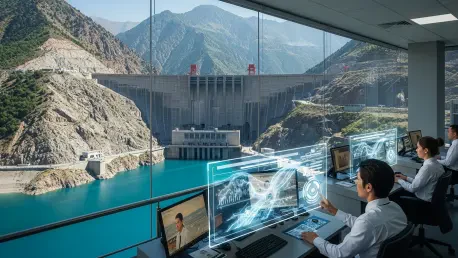

The Naryn River has long been the lifeblood of Central Asia, yet its waters have historically served as a catalyst for diplomatic friction rather than a source of regional unity. For decades, the geographical reality of the Tien Shan mountains created a zero-sum game where upstream energy needs during the harsh winters directly conflicted with the downstream agricultural demands of the summer months. The Kambarata-1 hydropower project represents a definitive departure from this contentious past, standing as a massive engineering endeavor designed to harmonize these competing interests. By regulating water flow through a sophisticated dam system, the project aims to provide Kyrgyzstan with electricity while guaranteeing a stable water supply for its neighbors. This transition signifies a profound shift in how these nations perceive their shared resources, turning a potential flashpoint into a strategic asset that could redefine the economic landscape of the territory.
Shifting Toward a Trilateral Partnership
The current momentum behind the project marks a significant departure from the isolationist policies and mutual suspicion that defined Central Asian relations for most of the early twenty-first century. By moving toward a model of trilateral venture, Kyrgyzstan, Kazakhstan, and Uzbekistan are effectively dismantling the barriers that once prevented meaningful infrastructure development in the region. This collaborative framework involves a shared investment strategy and joint ownership, which ensures that each participant has a vested interest in the long-term operational success of the facility. The shift reflects a growing realization among regional leaders that energy security and water management are not isolated national issues but are instead deeply interconnected components of a larger geopolitical puzzle. Instead of pursuing competing national strategies that often led to diplomatic stalemates, these three nations are now choosing to pool their resources and capital.
Each of the three primary stakeholders is driven by specific strategic motivations that align under the umbrella of this massive hydropower initiative. Kyrgyzstan views the development of the Naryn River as a critical pathway toward achieving full energy independence and leveraging its rugged mountain terrain for sustainable economic growth. For Kazakhstan, the project serves as a vital safeguard for its agricultural heartlands, which rely heavily on consistent water flows for irrigation during the growing season. Perhaps most notable is the participation of Uzbekistan, which signals a pragmatic policy shift toward acknowledging that regional cooperation is the only viable way to manage the escalating pressures of resource scarcity. This alignment of interests suggests that the era of unilateral water management is coming to an end, replaced by a sophisticated understanding of regional interdependence and a common goal of building durable energy infrastructure for the next decade.
Navigating Institutional and Environmental Challenges
While the political enthusiasm for this project is undeniable, its ultimate durability depends on the ability of the participating states to move beyond high-level consultative agreements. Historically, Central Asia has seen many grand regional declarations fail to materialize when they were tested by environmental stress or domestic political shifts. To avoid these pitfalls, the current partners must prioritize the establishment of binding legal frameworks that can withstand changes in government or periods of economic volatility. Without clearly defined rules and a robust institutional structure to govern the daily operations of the dam, the project remains susceptible to the fluctuating priorities of individual nations. Establishing a permanent joint management commission would provide the necessary administrative continuity to handle complex technical issues and water-sharing quotas. The challenge lies in creating an entity that possesses real regulatory authority.
External influences and environmental vulnerabilities add layers of complexity that require constant attention and high-level technical oversight from the international community. The involvement of global financial institutions like the World Bank has been essential, not only for providing the massive capital required for such a project but also for ensuring that development meets international standards for transparency and safety. Beyond the financial aspects, the physical reality of the Tien Shan region presents significant engineering hurdles that cannot be overlooked by the planners. The area is known for its high seismic activity, which necessitates world-class structural design to prevent catastrophic failures in the event of an earthquake. Furthermore, the accelerating impact of climate change on the region’s glaciers threatens to alter long-term water availability, making accurate hydrological modeling a prerequisite for success and long-term security.
Building a Sustainable Framework for the Future
For the Kambarata-1 facility to function as a permanent fixture of regional stability, it must be supported by a comprehensive strategic framework that transcends simple dam operation. This involves the creation of a permanent trilateral authority that possesses the mandate to manage reservoir levels and resolve technical disputes independently of direct political interference from national capitals. Additionally, the establishment of a dedicated regional fund designed for the ongoing maintenance and modernization of the infrastructure is essential for long-term safety. Infrastructure of this scale requires constant reinvestment to maintain efficiency, and a shared funding mechanism would prevent any one nation from bearing a disproportionate financial burden. By integrating national power grids, the participating nations can create a unified energy market, allowing for the efficient distribution of power to areas of high demand while fostering a culture of shared responsibility.
The completion of the Kambarata-1 project functioned as a transformative milestone that effectively moved the region toward a more integrated and stable economic reality. Stakeholders moved beyond simple water sharing to implement a cross-border digital monitoring system that provided real-time data on flow rates and turbine efficiency. This technological transparency reduced the potential for mistrust and allowed for more precise agricultural planning in the lower reaches of the Naryn River. Furthermore, the participants launched a regional training academy to develop the next generation of hydropower engineers, ensuring that the technical expertise remained localized and resilient. These actionable steps demonstrated that when countries chose to invest in shared infrastructure, they also invested in a collective intelligence that transcended old border disputes. The initiative provided a durable template for future green energy projects across the continent.