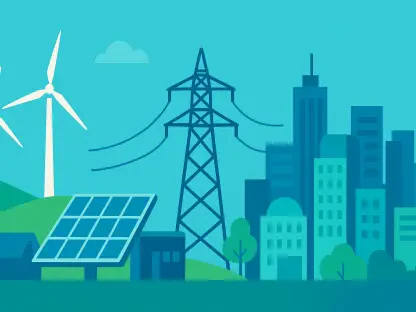

The rapid transformation of the European energy landscape is no longer just a theoretical objective but a massive industrial reality fueled by unprecedented infrastructure investments. In Central and Eastern Europe, a new era of power generation is taking shape through a formidable alliance between LONGi, Enery, and the ENEVO Group, signaling a departure from fragmented, small-scale solar arrays toward integrated giga-scale systems. This strategic collaboration is anchored by a massive 1.5 GW project pipeline that is currently rolling out across the region, aiming to modernize aged power grids and establish a decentralized energy network that is both resilient and sustainable. By focusing on a multi-year development plan that spans from 2026 to 2028, these industry leaders are ensuring that the region moves beyond mere adoption to become a central hub for renewable energy innovation. This massive undertaking is designed to tackle the systemic challenges of grid congestion while providing a stable supply of green electricity.
The Strategic Blueprint: Driving Regional Energy Independence
Developing a project of this magnitude requires a level of technological consistency and financial commitment that very few partnerships can achieve in today’s volatile global market. Enery has taken a leadership role as a primary power producer by selecting LONGi to supply modules for at least half of the planned 1.5 GW capacity, a move that minimizes technical risks associated with diverse equipment sources. This collaboration is specifically structured to overcome the supply chain bottlenecks that have historically plagued large renewable installations in Europe by creating a predictable demand and supply cycle between the manufacturer and the developer. By synchronizing the construction schedules for 2026 and 2027, the alliance ensures that resources are allocated efficiently, reducing the idle time often found in mega-projects. This streamlined approach allows for the rapid scaling of solar capacity, which is essential for meeting the decarbonization targets that European nations have set for the end of the current decade.
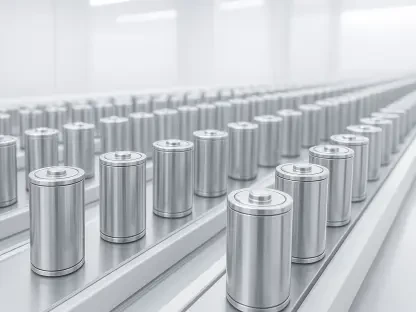
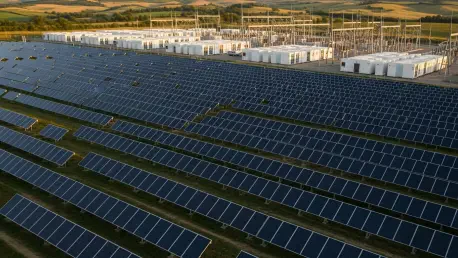
The cornerstone of this regional strategy is the Ogrezeni project in Romania, which has emerged as a groundbreaking benchmark for what modern hybrid energy facilities should look like. This site is not merely a solar farm but a sophisticated energy complex featuring a 761 MWp solar array integrated with a massive 1 GWh battery energy storage system. This combination is critical because it addresses the inherent intermittency of solar power, allowing the facility to discharge electricity during peak demand hours or when the sun is not shining. Secured by hundreds of millions in dedicated green financing, the Ogrezeni project serves as a practical demonstration that renewable energy can function as a foundational element of a national grid rather than just a supplementary source. The scale of the storage component represents one of the largest deployments of its kind in Southeast Europe, providing a blueprint for other nations that are struggling to balance their domestic energy portfolios while phasing out older coal-fired power plants.
High-Efficiency Technology: The Role of Back Contact Modules
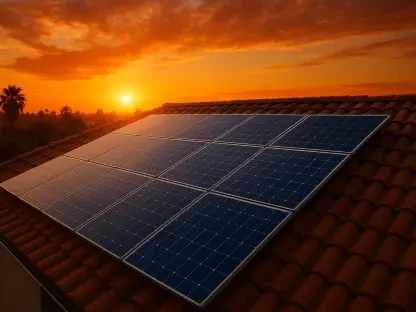
Central to the success of these giga-scale projects is the deployment of ultra-premium solar technology, specifically the Hi-MO 9 modules that utilize an advanced back contact cell design. This technological shift represents a significant leap forward in efficiency compared to traditional solar cells by moving all electrical connections to the rear side of the module. This design choice maximizes the surface area available for sunlight absorption and eliminates shading caused by front-side busbars, which results in a much higher energy yield per square foot. In large facilities like Ogrezeni, where land use and mounting structures represent a significant portion of the capital expenditure, the increased efficiency of these modules translates directly into a more cost-effective operation. By generating more power from the same footprint, the alliance is able to optimize the entire electrical balance of the plant, ensuring that every component from the inverters to the cabling is utilized to its absolute maximum potential.
The financial viability of these long-term energy investments is further bolstered by the superior durability and low degradation rates of the chosen high-efficiency technology. Unlike standard panels that may lose significant performance over a twenty-year period, these specialized modules are engineered to maintain a high output for over thirty years, ensuring a stable return on investment for the project backers. This longevity is essential for lowering the levelized cost of electricity, making green energy more competitive with conventional power sources without the need for heavy subsidies. Additionally, the reduction in required land and mounting hardware simplifies the entire construction phase, allowing for faster deployment and lower environmental impact on the local terrain. The ability to produce more electricity with fewer physical resources is a key driver in making these massive solar pipelines economically sustainable and attractive to institutional investors who are looking for low-risk, high-impact green infrastructure opportunities.
Economic Resilience: Strengthening Local Engineering and Infrastructure
The execution of such a complex pipeline is made possible by a tripartite synergy that combines global manufacturing power with deep-seated local engineering expertise from the ENEVO Group. This partnership ensures that the high-tech components provided by LONGi are integrated seamlessly into the Romanian and regional grids, adhering to specific local technical requirements and regulatory frameworks. By involving regional experts who understand the nuances of the local landscape and power distribution systems, the alliance is able to bypass the logistical hurdles that often delay foreign-led projects. This localized approach to global technology deployment strengthens the domestic energy industry and fosters a self-sufficient ecosystem where engineering talent and technical innovation can flourish. It is this combination of global scale and local precision that allows the Ogrezeni project to transition from a conceptual design to an operational reality while maintaining the highest standards of safety and grid stability.
Beyond the technical and environmental benefits, the alliance is a major engine for regional economic growth, providing hundreds of specialized jobs and training opportunities for the local workforce. The construction of the Ogrezeni site and subsequent projects in the pipeline necessitates a high level of technical skill, ranging from precision engineering to advanced electrical system management. By collaborating with local firms like ENEVO, the project ensures that a significant portion of the economic value generated remains within the region, building a skilled labor force that will be vital for the future maintenance of Europe’s green infrastructure. This focus on human capital development demonstrates that the transition to renewable energy is not just about replacing power sources, but about revitalizing the industrial base of Central and Eastern Europe. The maturity of the Romanian engineering sector is being proven on a global stage, showing that local firms are more than capable of handling some of the most technologically demanding energy projects in the world today.
Sustainable Integration: Future Implications for the Continental Grid
Once the Ogrezeni facility reaches full operational capacity, its impact on the regional grid will be profound, supplying clean and affordable electricity to approximately 700,000 households across the country. This scale of production, paired with giga-scale battery storage, provides a definitive answer to critics who argue that renewables cannot offer the base-load stability required for modern industrial economies. By preventing hundreds of thousands of tonnes of carbon emissions annually, the project aligns perfectly with broader climate goals while simultaneously enhancing national energy security by reducing dependence on imported fuels. The success of this alliance offers a clear template for other European nations to follow, proving that the combination of high-efficiency hardware and strategic local partnerships is the most effective way to build a sustainable power network. It signals a move toward a more resilient and decentralized grid architecture where large-scale storage and generation work in perfect harmony to provide consistent energy.
The strategic implementation of the 1.5 GW pipeline established a new standard for how cross-border cooperation and high-tech manufacturing could redefine an entire region’s power outlook. As the Ogrezeni project moved into its final stages of deployment, the focus shifted toward optimizing the interplay between solar generation and long-duration battery storage to ensure maximum grid flexibility. Lessons learned from the integration of the Hi-MO 9 modules were applied to future phases of development, creating a continuous feedback loop of technical improvement and operational efficiency. Moving forward, stakeholders prioritized the expansion of this decentralized model to neighboring markets where grid modernization remained a critical necessity. Continued investment in local engineering capabilities and the further refinement of hybrid energy systems became the essential next steps to maintain the momentum generated by this alliance. The groundwork laid by these projects provided the necessary infrastructure to support a fully decarbonized energy future that prioritized both reliability and economic sustainability.