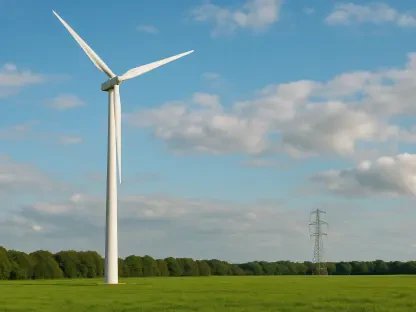

The nationwide transition from traditional carbon-intensive power sources toward a high-tech renewable energy grid is currently unfolding as the most consequential structural reorganization of the Indian industrial landscape in recent history. As the nation pivots toward sustainable alternatives, the physical infrastructure of solar parks and wind farms is being complemented by an invisible layer of complex software and algorithms. This evolution necessitates a fundamental rethinking of what it means to be an energy professional in a world where data is as vital as the sun or the wind.
The rapid maturation of the sustainability sector is not merely a matter of installing hardware or securing capital; it is fundamentally a challenge of human capital adaptation. While the hardware provides the capacity for change, the workforce provides the intelligence to manage it. This shift marks a departure from the mechanical era of power generation into a sophisticated digital age where energy and information are inextricably linked.
The 7.29 Million Job Frontier: A New Industrial Revolution
The scale of this shift is best reflected in the sheer volume of personnel required to maintain the momentum of the green energy sector over the coming years. Projections indicate that by 2028, the industry will have created roughly 7.29 million jobs, marking a significant milestone in economic expansion and rural development. For the current fiscal year alone, the market anticipates an influx of up to 1.5 million new roles, signaling that the energy transition is no longer a distant prospect but an active labor market reality.
However, the profile of these positions is undergoing a radical metamorphosis that distinguishes them from previous industrial booms. The days of purely manual labor in power plants are fading, replaced by a requirement for sophisticated technological fluency in nearly every role. Data suggests that approximately 70 percent of the upcoming roles will demand advanced digital competencies, moving the workforce beyond traditional “blue-collar” maintenance and into a “green-tech” category where the ability to interpret real-time analytics is as critical as the ability to handle physical components.
The Digital Imperative in a Green Economy
Massive capital investment in hardware like solar panels and wind turbines is only half of the equation; the other half relies on the urgent adaptation of human capital. The convergence of sustainability goals and digitalization stands as a defining challenge for the modern workforce, requiring a bridge between physical engineering and computational science. Without a workforce capable of managing this intersection, the massive influx of capital risks becoming underutilized in an increasingly complex and volatile energy market.
This shift marks the transition from a hardware-centric power system to a software-driven energy ecosystem. The modern grid is no longer a one-way street of electricity flow but a dynamic network that requires constant monitoring and adjustment via digital platforms. Consequently, professionals who understand the nuances of both the electrical load and the digital tools used to manage it have become the most valuable assets in the quest for national energy security and carbon neutrality.
AI as the Operating System for Renewable Infrastructure
Artificial intelligence has emerged as the foundational operating system for this new infrastructure, providing the intelligence necessary to handle the variability of renewable sources. Through predictive maintenance, machine learning algorithms analyze sensor data from remote solar and wind installations to anticipate equipment failures before they cause costly downtime. This proactive approach ensures that the reliability of green energy begins to rival that of traditional base-load power sources, making the grid more resilient.
Beyond maintenance, AI is indispensable for grid optimization and the management of intricate smart grids. These systems must balance fluctuating supply from intermittent sources with the real-time demands of a growing population. Furthermore, machine learning improves the accuracy of generation forecasting, allowing utilities to predict energy output with much higher precision. Automated data analysis also facilitates intelligent trading, enabling more sophisticated and efficient energy markets that respond instantly to price signals.
Expert Perspectives on the Impending Talent Crunch
Despite the abundance of opportunities, industry leaders warn of a critical talent crunch that could stifle growth if not addressed immediately. There is a noticeable shortage of electrical and electrochemical engineers, particularly those who understand the intricacies of AC power conversion and system integration. This gap is especially pronounced in the battery storage sector, which requires a rare combination of chemical and electrical knowledge to develop the next generation of energy storage solutions for the national grid.
The shortage is partly attributed to a lack of interest among the youth, who often view traditional engineering paths as less lucrative than pure software development. To combat this, elite institutions and industry bodies are pushing to rebrand engineering as a high-value, tech-forward career path. They argue that while AI can handle data processing, human creativity and technical craft remain irreplaceable for iterative prototyping and materials innovation where physical intuition and manual precision are required.
A Roadmap for Modernizing India’s Energy Talent
To bridge the gap between academic theory and real-world application, a comprehensive roadmap for talent modernization is essential for long-term success. Strengthening partnerships between industry and academia ensures that curricula remain relevant to the rapidly evolving needs of the energy sector. This includes the development of specialized vocational programs focused on solar installation and grid technology, providing a clear pathway for students to enter the green economy with marketable, high-demand skills.
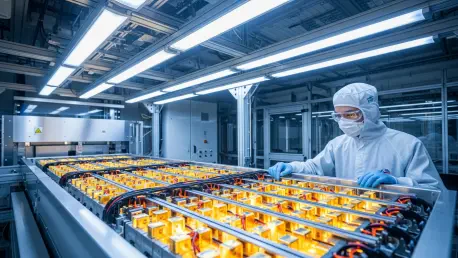
Scaling the workforce also requires the establishment of specialized training centers and “master maker” hubs specifically designed for advanced battery manufacturing. These facilities serve as incubators for technical expertise, allowing workers to gain hands-on experience with the specific hardware used in electric vehicle manufacturing and stationary storage. Government-backed incentives for companies to invest in the continuous upskilling of their current employees further ensure that the existing workforce is not left behind by the digital tide.
The successful integration of artificial intelligence and green technology depended on a swift and strategic overhaul of the educational and professional landscape. Policy experts moved beyond traditional boundaries to create a synergy between computer science and energy engineering, which allowed for the creation of a resilient, self-sustaining industrial sector. By prioritizing specialized training centers and incentivizing lifelong learning, the country established a blueprint for how an emerging economy could navigate the complexities of a global energy shift.