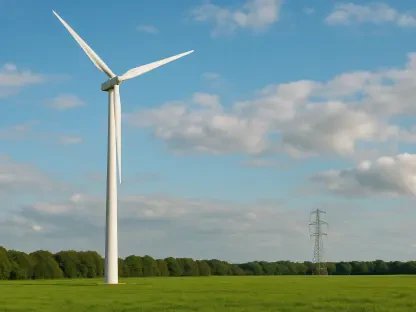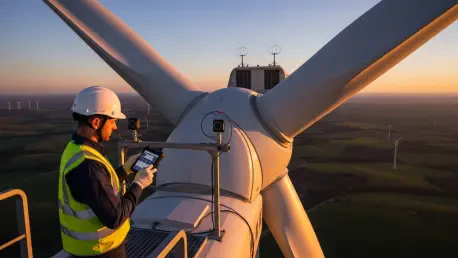

The global transition toward renewable energy has reached a critical juncture where the first generation of utility-scale wind turbines is nearing the end of its projected twenty-year lifespan. This milestone presents a significant operational challenge for asset managers who must decide whether to decommission, repower, or meticulously maintain these aging structures to squeeze out additional years of productive service. As of 2026, the focus has shifted toward advanced life-extension programs that leverage sophisticated diagnostic tools to identify structural fatigue before it leads to failure. Maintaining these assets is not merely a matter of repairing what is broken; it involves a proactive philosophy of identifying subtle changes in vibrational patterns and thermal signatures that indicate wear. By utilizing high-resolution acoustic sensors and specialized drones, operators now monitor blade integrity and tower stability with unprecedented precision, ensuring that older fleets remain viable components of the grid while maximizing the return on capital investments.
Strategic Interventions for Mechanical and Digital Longevity
Extending the operational viability of a wind turbine requires a deep dive into the mechanical health of the drivetrain, specifically the gearbox and main bearings. These components are subjected to immense stress from varying wind loads and must be treated with specialized lubrication strategies that reduce friction and heat buildup over time. In 2026, the industry has widely adopted synthetic lubricants with nanoparticle additives that fill microscopic fissures in metal surfaces, effectively reversing some effects of long-term wear. Moreover, technicians are increasingly using laser alignment tools to ensure that the coupling between the generator and the gearbox remains perfectly centered, preventing uneven load distribution. These precision adjustments are vital because even a millimeter of misalignment can lead to accelerated bearing failure, which is often the death knell for an aging turbine. By focusing on these high-stress areas, operators significantly reduce the likelihood of unplanned downtime and extend the interval between major overhauls.
Beyond the internal machinery, the structural integrity of the turbine blades remains a primary concern for life-extension initiatives since they are constantly exposed to harsh environmental elements. Erosion of the leading edge can drastically reduce aerodynamic efficiency, forcing the turbine to work harder to generate the same amount of power, which in turn stresses the mechanical components. To combat this, maintenance teams are applying advanced leading-edge protection coatings and aerodynamic enhancements, such as vortex generators, to restore or even improve the original performance profiles of the blades. These upgrades allow older turbines to capture wind energy more effectively at lower speeds, mitigating the performance decay typically associated with aging infrastructure. This approach not only preserves the physical asset but also optimizes the levelized cost of energy, making the continued operation of older sites more economically competitive against newer, larger installations.
The integration of digital twin technology has revolutionized how aging wind farms are managed by creating virtual replicas that simulate real-world conditions and predict future performance. These models utilize historical data from Supervisory Control and Data Acquisition systems to forecast when a component is likely to fail based on its unique operational history and environmental exposure. For instance, a turbine located in a high-turbulence corridor will have a different fatigue profile than one in a steadier wind regime, and the digital twin accounts for these nuances with high accuracy. This allows for a shift from reactive repairs to predictive interventions, where parts are replaced during scheduled windows rather than in response to a sudden failure. In 2026, the use of edge computing on-site enables these models to process data in real-time, providing immediate alerts to operators when deviations from performance standards are first detected by the digital system.
The successful extension of wind farm lifespans required a multifaceted strategy that moved beyond simple repair work into the realm of holistic asset management. Industry leaders recognized that the most effective path involved the early adoption of comprehensive monitoring systems and the standardization of maintenance protocols across diverse fleets. To ensure the continued viability of aging fleets, the industry implemented several key actionable steps that solidified the long-term performance of existing infrastructure. Asset managers established rigorous data-sharing protocols that allowed for fleet-wide benchmarking, enabling the identification of best practices for component refurbishment. These strategic initiatives proved that maintaining an aging asset was often more cost-effective than full decommissioning. By focusing on targeted technical upgrades and enhanced diagnostic oversight, operators successfully transformed older wind farms into reliable, high-performing assets for the modern energy grid.