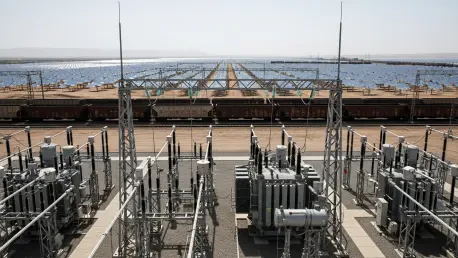

The sheer velocity at which the global energy landscape is transforming has left even the most seasoned analysts grappling with the contradictory reality of a nation that installs more solar panels than the rest of the world combined while simultaneously breaking ground on dozens of new coal-fired power plants. This striking paradox defines the current struggle of the world’s second-largest economy as it attempts to navigate the delicate transition toward a greener future without compromising its industrial foundations. While the rapid deployment of wind and solar capacity is undeniably historic, the lingering dominance of fossil fuels suggests that the path to carbon neutrality will be far more complex than a simple substitution of technologies. For a nation that has pledged to reach a carbon peak before 2030 and achieve a net-zero status by 2060, the current trend of doubling down on coal while leading the world in renewables creates a high-stakes environment where economic survival and environmental responsibility are in constant tension. This situation necessitates a deeper look into the systemic drivers and provincial pressures that keep old-world energy alive in a modernizing grid.
The Numbers Behind the Energy Shift
To understand the scale of this dual expansion, one must look at the unprecedented volume of investment flowing into both high-tech solar farms and traditional thermal generation sites across diverse provinces. This dual-track strategy seeks to maximize energy output at any cost to ensure that industrial growth never falters, resulting in a statistical landscape that is often difficult to interpret for global observers. The data reveals a system that is growing in every direction at once, creating a massive energy surplus in some regions while others still struggle with occasional peak-load shortages during extreme weather events. As the national grid attempts to integrate these disparate sources, the friction between the old and the new becomes increasingly apparent in the quarterly economic reports that dictate national policy. This approach allows the state to maintain a buffer of traditional power while aggressively scaling up the next generation of clean technology.
Analyzing the Capacity Surge and Emissions Rebound
By the conclusion of 2025, the country achieved a monumental milestone as the total installed renewable energy capacity reached a staggering 2,340 gigawatts. This figure represents more than just a number; it marks the first time in modern history that the combined potential of wind and solar power has officially surpassed the capacity of traditional thermal sources like coal and gas-fired turbines. This aggressive expansion of green infrastructure initially yielded the results that climate advocates had long hoped for, as the power sector recorded its first annual decline in carbon emissions in over a decade. The transition seemed to be gaining unstoppable momentum, as massive solar arrays in the western deserts and offshore wind farms along the eastern coast began to pump significant amounts of clean electricity into the national network. This shift signaled a potential decoupling of economic growth from carbon intensity, suggesting that the era of fossil fuel dominance might finally be drawing to a close.
The Statistical Paradox: Growth in All Directions
However, the optimism generated by the 2025 data has been tempered by recent figures from early 2026, which indicate that the progress toward lower emissions may be far more fragile than previously assumed. Coal-fired generation has begun to climb again, reclaiming a larger share of the energy mix even as new solar installations continue to set monthly records. This rebound has sparked an intense debate among energy economists about whether the earlier drop in emissions was a permanent structural shift or simply a temporary fluctuation caused by favorable weather patterns and lower industrial demand. There are mounting concerns that the national grid, despite its record-breaking renewable assets, remains structurally reliant on traditional fuels to meet the surging electricity needs of a recovering manufacturing sector. The persistence of coal generation despite the availability of cleaner alternatives suggests that capacity alone is not enough to displace the entrenched role of fossil fuels in the current energy landscape.
Why Coal Remains the National Backbone
The decision to keep coal at the center of the energy strategy is not merely a matter of economic convenience; it is deeply rooted in a strategic doctrine that prioritizes stability above all other metrics. In an increasingly unpredictable global political climate, the ability to rely on an energy source that can be mined, processed, and consumed entirely within domestic borders is seen as a non-negotiable component of sovereign power. This focus on energy security ensures that even as the costs of renewable technologies continue to plummet, the traditional coal sector remains insulated from the full force of market competition. The government’s approach suggests that while green energy is the desired future, coal is the essential bridge that must be maintained to prevent any risk of power shortages that could destabilize the social or economic order. This cautious mindset creates a persistent demand for fossil fuels that continues to influence long-term infrastructure planning and provincial budget allocations.
Prioritizing Domestic Security and Market Stability
A primary driver of coal’s persistence is the security-first ideology held by high-level policymakers who view the mineral as the ultimate stabilizer for the nation’s complex power requirements. Since the vast majority of coal consumed within the country is produced domestically, it offers a level of certainty and insulation from international market shocks that imported oil and liquefied natural gas simply cannot provide. In an era marked by shifting trade alliances and geopolitical volatility, having an abundant and readily available fuel source is treated as a vital element of national defense. This strategic reliance means that the coal industry is often treated as a strategic reserve, with production quotas and logistics networks optimized to ensure that the lights stay on regardless of what happens in the global energy market. This domestic focus creates a powerful inertia that makes it difficult for cleaner, but more variable, energy sources to fully replace the reliable baseload provided by coal plants.
Energy Sovereignty in a Volatile Global Market
Recent shifts in global trade patterns have further validated this conservative energy policy, as seen in the notable reduction of fossil fuel imports during the early months of 2026. While some international observers have argued that modern battery storage systems and massive hydropower resources could eventually offer a superior form of energy security, many officials remain unconvinced. They argue that the technology for long-duration storage has not yet reached the scale or reliability needed to replace the massive energy density provided by the existing coal fleet. Consequently, coal plants are often kept in operation or on standby even when wind and solar production are high, as they are viewed as the essential backbone that prevents grid failure during periods of low renewable output. This defensive posture ensures that the coal sector remains a central pillar of the economy, effectively slowing the pace of the green transition in the name of national resilience.
Economic Conflicts and Institutional Inertia
Beyond the concerns of national security, the continued expansion of the coal sector is driven by a complex web of economic interests and institutional structures that often work against the logic of a free market. While the falling prices of solar and wind components have made them the most cost-effective options for new generation, the existing regulatory environment often favors the operation of traditional thermal plants. This economic friction is exacerbated by the fact that many provincial governments are deeply invested in the coal supply chain, from mining operations to the construction of specialized power facilities. These local economic ties create a situation where the transition to clean energy is seen not just as a technological shift, but as a direct threat to the financial health of entire regions. As a result, the move away from coal is frequently slowed by administrative hurdles and long-standing contracts that guarantee a place for fossil fuels in the power market.
The Pricing Paradox and Infrastructure Momentum
From a strictly financial standpoint, the ongoing investment in coal-fired infrastructure is becoming increasingly difficult to justify as the cost of renewable energy continues to reach new lows. The nation’s dominance in green manufacturing has successfully driven down the costs of wind turbines and solar panels to levels that thermal generation can no longer realistically compete with in a fair market. However, coal remains financially viable through a series of institutional mechanisms, such as long-term power purchase agreements and pricing structures that often shield coal plants from the true costs of their environmental impact. These systems ensure that coal plants remain profitable even when they are less efficient than cleaner alternatives, creating a pricing paradox where the most expensive and polluting form of energy is kept artificially competitive. This institutional support makes it difficult for the superior economics of renewable energy to translate into a rapid phase-out of the older coal-fired fleet.
Stimulus Spending and the Backup Narrative
Furthermore, the construction of new coal plants has recently surged to a ten-year high, largely driven by a desire to stimulate local economies through massive infrastructure spending. Many of these projects are publicly justified as providing backup for the country’s expanding but intermittent solar and wind capacity, yet critics point out that the scale of the new construction exceeds what is necessary for grid stabilization. In many cases, these plants are built to protect local industrial investments and maintain high employment levels in regions where the coal industry is the largest taxpayer. This surge in construction creates a paradoxical situation where the total coal capacity continues to grow right alongside record-breaking green energy arrays. Instead of the new technology replacing the old, the two systems are expanding in parallel, leading to a crowded energy market and potentially leaving the country with a massive surplus of carbon-intensive assets.
Regional Friction and the Transition Gap
The struggle to move away from coal is also characterized by a profound geographic divide that pits the economic interests of different provinces against one another. Inland regions, which have long relied on coal mining and heavy industry for their survival, face a much more difficult path to decarbonization than the wealthy, demand-heavy provinces along the eastern coast. This regional friction creates a flexibility gap in the national grid, where the logistical challenges of transporting clean energy from the wind-swept west to the industrial east are often compounded by political protectionism. Local officials are often reluctant to cede control over their energy supply to distant green sources, preferring to maintain their own thermal power plants to ensure local jobs and tax revenues remain secure. This lack of coordination prevents the national energy system from fully utilizing its renewable potential, as cleaner electricity is often curtailed because it cannot reach the areas that need it most.
Balancing Provincial Interests and Power Transmission
The tension is particularly visible in provinces like Shanxi and Inner Mongolia, where the coal industry is not just an energy source but a fundamental part of the economic and social fabric. For these regions, a rapid move away from mining and coal-fired generation represents an existential threat to the livelihoods of millions of workers and the fiscal stability of local governments. Consequently, these provinces have a powerful political incentive to ensure that coal remains central to the national energy conversation for as long as possible. They argue that their local economies require a gradual transition that allows for the development of new industries before the coal mines are shuttered. This creates a situation where the central government’s environmental goals are often diluted by the need to maintain social stability and economic growth in the coal-dependent heartlands, leading to a much slower pace of change than the headline renewable numbers might suggest.
Regional Protectionism and the Transmission Hurdle
While the central government has invested heavily in ultra-high-voltage transmission lines to move clean electricity across the country, coastal provinces often show resistance to becoming overly dependent on imported green power. Local leaders in these high-demand industrial hubs prefer to run their own coal plants to keep the associated tax revenue and employment within their own borders, rather than paying for electricity generated in far-flung western provinces. This regional protectionism creates a major hurdle for the integration of renewable energy, as it limits the market for wind and solar power even when it is cheaper and more abundant than local coal. Until the national grid can overcome these provincial rivalries and create a truly unified power market, the transition will continue to be hampered by a mismatch between where clean energy is produced and where it is consumed. This friction ensures that coal remains the default option for many regional grids, despite the oversupply of renewable capacity.
Human Costs and Global Climate Leadership
The persistent reliance on coal generation also carries a significant human cost that is often overshadowed by discussions of economic growth and climate policy. High-profile mining disasters continue to plague the industry, serving as a grim reminder of the physical risks associated with maintaining a massive coal-heavy energy grid. For instance, a major gas explosion in early 2026 underscored the dangers that workers face in the rush to meet the nation’s high production quotas for fossil fuels. Beyond these acute accidents, the long-term health impacts of coal combustion and mining are profound, with high rates of respiratory illnesses like black lung disease continuing to affect the workforce in mining regions. These human costs represent a hidden burden of the current energy strategy, one that is increasingly being questioned by a public that is becoming more aware of the environmental and health trade-offs required to sustain the current system.
The Reality of Mining Hazards and International Standing
On the global stage, the country remains the most significant investor in clean technology, yet its internal policies appear deeply conflicted as it balances leadership with tradition. As other major economies face fluctuations in their own climate commitments, the energy choices made here will largely dictate the success or failure of international environmental goals. The ultimate test of this dual-track strategy will be whether the nation can successfully pivot from a model of coal-plus-renewables to one where green energy finally replaces fossil fuels for good. This requires more than just building panels and turbines; it demands a fundamental restructuring of the power market and the social safety net in coal-dependent regions. The world is watching to see if the world’s largest renewable producer can also become the world’s largest renewable consumer, finally closing the gap between its green ambitions and its industrial reality.
Pathways to Decoupling Economic Growth From Coal
Ultimately, the path forward required a fundamental decoupling of provincial economic growth from fossil fuel extraction to ensure that the massive investments in wind and solar were not neutralized by a stagnant grid. Policymakers leaned into flexible market mechanisms that prioritized the dispatch of clean energy, effectively ending the era where coal plants received guaranteed run-times regardless of demand. By integrating large-scale battery storage and long-distance transmission lines, the nation successfully transitioned its perception of energy security from a reliance on domestic mining to a mastery of advanced storage and distribution. This evolution reflected a broader understanding that global climate leadership was only achievable when the domestic reality finally aligned with international promises, creating a blueprint for other developing industrial economies. The transition eventually proved that a nation could maintain its industrial strength while systematically dismantling the carbon-intensive structures that once defined its rise, setting a new standard for global sustainability.