
The undulating hills bordering Caerphilly and Rhondda Cynon Taf now serve as the primary stage for a transformative experiment in renewable energy infrastructure, where the Twyn Hywel Energy Park aims to reconcile industrial necessity with rural identity. This project represents the inaugural milestone in a broader regional transition, marking a decisive shift from abstract climate targets to the concrete implementation of high-capacity energy generation systems. As the flagship initiative for Bute Energy’s expansive three-billion-pound portfolio, the site is designed to demonstrate that the Welsh countryside can host critical infrastructure without forfeiting its essential character. However, the scale of the development forces a difficult conversation regarding the friction between global environmental imperatives and the preservation of local heritage. By positioning these industrial assets within a rural landscape, developers are testing the limits of public social license and planning flexibility during this pivotal era.
Industrial Framework and Financial Security
Technical Specifications: Engineering the Wind
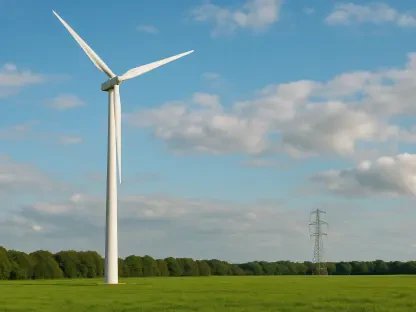
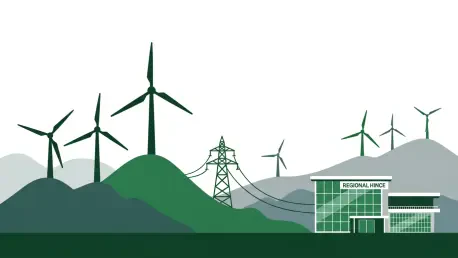
The physical reality of the Twyn Hywel Energy Park began to take shape following the finalization of a comprehensive one hundred sixty million pound financing package, orchestrated through a collaboration with major institutional lenders including Rabobank and Lloyds. This massive influx of capital has facilitated the initial construction phases for fourteen high-capacity wind turbines, each reaching a height of two hundred meters to capture the most consistent wind currents available in the region. Once these structures become fully operational next year, they are projected to generate enough clean, renewable electricity to meet the annual energy demands of approximately eighty-one thousand homes. The sheer engineering scale of this endeavor underscores a significant commitment to maximizing renewable output, although the imposing height of the turbines remains a central topic of debate among local observers concerned about the permanent alteration of the horizon line.
Fiscal Stability: Market Guarantees
Ensuring the long-term commercial viability of such a large-scale project required the establishment of a robust financial framework, successfully anchored by a twenty-year Power Purchase Agreement and a supportive Contract for Difference. These mechanisms provide the price certainty necessary to insulate the project from the inherent volatility of global energy markets, making it an attractive prospect for international investors seeking stable returns. The project’s inclusion in the UK Government’s seventh allocation round further solidified its status as a cornerstone of the national strategy for achieving energy independence and grid decarbonization. By securing these long-term fiscal guarantees, the developers established a commercial backbone that allows for the continuous operation of the site regardless of short-term economic fluctuations. This strategic financial planning is essential for maintaining the momentum of the regional green transition and providing a steady flow of low-carbon power.
Community Economics and Shared Prosperity
Local Benefits: Jobs and Funding
Beyond the deployment of hardware, the Twyn Hywel project emphasizes local economic revitalization through a structured community benefit fund exceeding seven hundred thousand pounds annually. This financial commitment is paired with the tangible creation of approximately three hundred jobs during the peak phases of construction, offering immediate employment opportunities for skilled workers within the surrounding valleys. The initiative aims to demonstrate that green energy projects can serve as catalysts for regional prosperity rather than merely existing as external industrial impositions on rural landscapes. By prioritizing local procurement and labor, the project developers seek to foster a sense of shared purpose between the energy company and the local residents. This focus on immediate economic impact is designed to offset the temporary disruptions caused by heavy construction and the installation of large-scale infrastructure in previously quiet agricultural areas.
Regional Equity: The Ownership Model
In a pioneering move to redefine the relationship between energy producers and local stakeholders, Bute Energy introduced a shared ownership initiative allowing the community to acquire a fifteen percent stake in the Energy Park. This model is intended to ensure that a significant portion of the financial rewards generated by the wind farm remains anchored within the region, directly benefiting the people who live near the facility. Such a framework represents a departure from traditional industrial models where profits were often exported to distant shareholders, leaving local communities with only the visual impact of the development. By offering a direct path to ownership, the project encourages long-term civic engagement and provides a mechanism for local voices to influence the ongoing management of the energy site. This strategy is critical for building the enduring public trust necessary to support the expansion of renewable energy across other parts of the country in the future.
Environmental Conflict and Strategic Synergy
Maritime Integration: Offshore and Port Support
The onshore developments at Twyn Hywel are designed to function in coordination with the planned expansion of massive offshore wind installations in the Celtic Sea, creating a diversified renewable portfolio. This integrated approach is heavily supported by significant government investments in key maritime infrastructure, particularly the revitalization of the ports at Port Talbot and Mostyn. By upgrading these facilities, regional authorities aim to remove the logistical bottlenecks that have historically slowed the deployment of offshore hardware, allowing for more efficient assembly and transportation of turbine components. The synergy between land-based wind farms and their coastal counterparts is expected to create a unified energy corridor that stabilizes the national grid while maximizing the natural geographic advantages of the Welsh coastline. This strategic alignment ensures that the infrastructure being built today can support a wide range of technological advancements and energy needs.
Landscape Preservation: Balancing Growth
Despite the clear economic and environmental arguments in favor of the project, significant opposition continues to emerge from rural advocates and preservationists wary of the cumulative impact on the landscape. Critics point out that the installation of massive industrial turbines could negatively affect the local tourism industry, which relies heavily on the aesthetic appeal of the Welsh countryside to attract visitors. There is a persistent concern that the industrialization of these hillsides will diminish the cultural value of the region and lead to a decline in the quality of life for residents who value the historical integrity of the horizon. These preservationist groups argue that while renewable energy is necessary, the location and scale of such developments must be carefully weighed against the intangible benefits of preserving unspoiled natural spaces. The friction between these interests illustrates the challenge of balancing national decarbonization goals with heritage.
Sustainable Outcomes: Lessons for the Future
The Twyn Hywel Energy Park functioned as a critical case study for the integration of large-scale renewable infrastructure within a culturally significant rural landscape. By implementing a shared ownership model and securing long-term financial stability, the project demonstrated that industrial progress and community prosperity were not mutually exclusive goals. Stakeholders utilized the lessons learned during the construction phase to refine future planning processes, ensuring that the environmental footprint of such developments was minimized while economic gains were maximized. The transition toward a low-carbon grid required a balanced approach that respected local heritage while addressing the urgent needs of national energy security. Moving forward, the success of this model provided a roadmap for other regions to adopt sustainable energy solutions that anchored wealth within local economies. This collaborative strategy fostered a more resilient industrial framework, proving that proactive engagement could overcome barriers.