
Driving Industrial Modernization Through Strategic Energy Collaboration
The emergence of high-voltage industrial corridors signifies a pivotal shift in how metropolitan utility providers and petrochemical giants synchronize their operations to bolster national economic resilience. The strategic partnership between Tata Power and Bharat Petroleum Corporation Limited (BPCL) marks a transformative step in India’s industrial energy landscape. By committing to a specialized 110 kV power infrastructure for the BPCL Mumbai Refinery, these industry leaders are addressing the critical need for reliable, high-capacity electricity. This project is not merely an infrastructure upgrade; it is a vital component of the energy ecosystem required to support the burgeoning petrochemical sector. The timeline of this collaboration highlights a shift toward dedicated utility solutions that ensure operational stability for complex industrial units while simultaneously reinforcing the broader urban power grid. Understanding this trajectory reveals how private-public synergies shape national self-reliance and energy security.
Chronology of Development for the 90 MW Dedicated Power Infrastructure
2024: Formulation of the Strategic Memorandum of Understanding
The project began with a Memorandum of Understanding between Tata Power and BPCL. This agreement established the framework for a 110 kV power system to deliver a dedicated 90 MW supply. With an investment of approximately Rs 250 crore, this phase defined operational responsibilities and initiated a 24-month development window to match the refinery’s expansion pace.
2024 to 2026: Execution of the PRFCCU Support Infrastructure
During this phase, the project focused on the Petro Resid Fluidized Catalytic Cracking Unit (PRFCCU). As India’s first such facility, the PRFCCU required a stable high-voltage connection to handle 3 million metric tons per annum. This period involved integrating high-tension lines into the Trombay network, supporting a Rs 14,203 crore petrochemical diversification strategy.
2026 and Beyond: Regional Grid Integration and Future Reliability
As the grid reaches completion, its influence extends beyond the refinery. Starting from 2026, this infrastructure serves as a catalyst for a 400 kV transmission facility planned over the next five years. This long-term expansion will bolster Mumbai’s grid reliability and ensure that industrial demand does not compromise urban energy stability.
Analyzing Key Milestones and the Shift Toward Industrial Energy Autonomy
A significant turning point is the transition to dedicated “load-centric” corridors. This project demonstrates how infrastructure can be specifically engineered for high-intensity units like the PRFCCU. By meeting a 24-month deadline, the partners closed the gap between plant readiness and power availability, reducing reliance on imports and strengthening the domestic manufacturing backbone.
Expanding the Scope of Urban Power Resilience and Competitive Dynamics
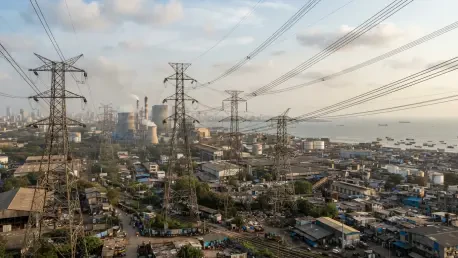
The collaboration between Tata Power and BPCL highlighted a sophisticated approach to urban constraints. Mumbai’s density made new lines complex, but the 110 kV system allowed for efficient land use. By strengthening the Trombay network, Tata Power effectively reduced strain on the city grid. This proactive methodology served as a blueprint for future public-private partnerships that sought to integrate renewable energy sources and smarter distribution protocols across industrial zones.