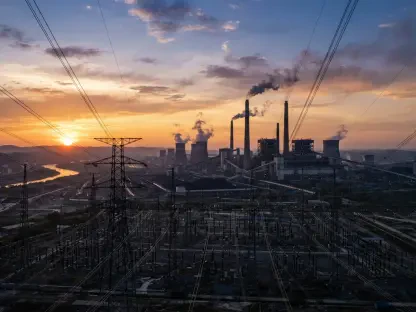

Protesters from the electricity department unions have expressed deep concerns regarding job security and the potential privatization of the region’s power distribution network. This unrest stems from the government’s decision to grant a parallel distribution license to a private entity, Eleven Power Private Limited, covering both Gurugram and Nuh. As the clock struck 10 pm on October 21, 2026, thousands of Dakshin Haryana Bijli Vitran Nigam workers walked off the job, initiating a strike scheduled to last through October 24. The immediate fallout has been a cascading failure of essential services, leaving vast swaths of the city in darkness and paralyzing the daily routines of millions of residents. From the upscale high-rises along the Dwarka Expressway to the bustling industrial corridors of Sector 37, the sudden absence of reliable energy has exposed the fragility of the urban ecosystem. The situation remains fluid as the administration struggles to balance employee demands with the urgent need for service restoration.
1. Impact on Residential and Industrial Zones
The geographic scope of the outage is extensive, touching nearly every corner of the city and creating a patchwork of localized crises. Residential communities in Palam Vihar, Sector 52, and Daulatabad reported that their inverter systems, usually reliable for short-term gaps, have long since exhausted their batteries, leaving homes without climate control or lighting. In the high-density societies near the Dwarka Expressway, such as Sector 102, the lack of electricity has rendered elevators useless, trapping elderly residents and making simple logistics a grueling physical task. Beyond residential discomfort, the strike has dealt a significant blow to the local economy. Industrial hubs including Kadipur, Basai, and the Daulatabad industrial area have seen assembly lines grind to a halt. Small and medium enterprises, which often lack the massive backup generators found in larger companies, are facing immediate financial losses and production delays. This interruption threatens to ripple through regional supply chains.
Public frustration over the extended blackout has manifested in spontaneous demonstrations, further complicating the city’s logistical challenges. In Bhimgarh Kheri, residents took to the streets to protest the lack of information regarding restoration timelines, leading to significant traffic congestion near the Daulatabad Flyover. These bottlenecks have hindered not only private commuters but also emergency vehicles, adding a layer of public safety concern to the ongoing energy crisis. Local authorities have deployed additional police personnel to manage the crowds and ensure that peaceful protests do not escalate into more disruptive incidents. Meanwhile, the Dakshin Haryana Bijli Vitran Nigam has been inundated with more than 3,000 formal complaints in the first twelve hours alone, a volume that has overwhelmed their digital and telephonic reporting systems. This surge in grievances highlights the widening gap between the government’s operational capacity and the public’s demand for immediate resolution during this period.
2. Infrastructure Vulnerability and Future Restoration
Perhaps the most critical secondary effect of the power strike is the catastrophic disruption of the municipal water supply system. Most of Gurugram’s water distribution relies on heavy-duty electric pumps to move water from treatment facilities to local storage tanks and eventually into residential piping. Without a steady flow of electricity, these pumps have remained idle, causing dry taps in sectors that were already grappling with the darkness. Families have been forced to rely on stored water or expensive private tankers, which have seen a surge in demand and a corresponding spike in pricing. The situation is particularly dire for high-rise apartment complexes that depend entirely on electric boosting systems to deliver water to upper floors. Even as some areas see brief flickers of power restoration, the time required to repressurize the water network means that many residents continue to wait for hours after electricity returns before a single drop of water emerges from their faucets at home.
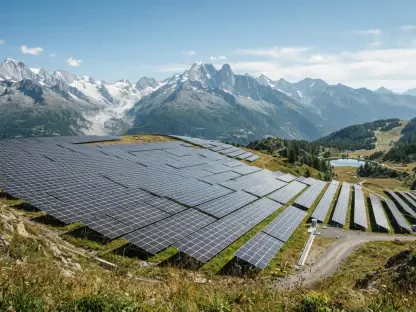
Stakeholders eventually determined that the dependence on a centralized power grid without adequate labor agreements created a vulnerability that affected every layer of urban life during the protest. To prevent a recurrence, city planners recommended implementing automated grid management systems that could be operated with minimal manual intervention. Moving forward, the integration of distributed energy resources, such as industrial-scale solar arrays and battery storage within individual sectors, was identified as a vital strategy for enhancing local resilience. Experts argued that diversifying the energy mix and investing in smart technology allowed for more precise control over distribution, ensuring that essential services like water pumping remained operational even if the primary network faced disruptions. Furthermore, the establishment of a robust mediation framework between utility unions and the state was viewed as a prerequisite for future policy changes. By addressing job security through legal safeguards, the administration aimed to foster a stable environment.