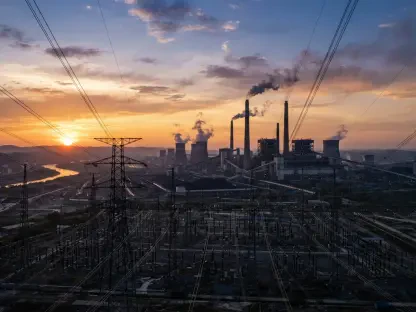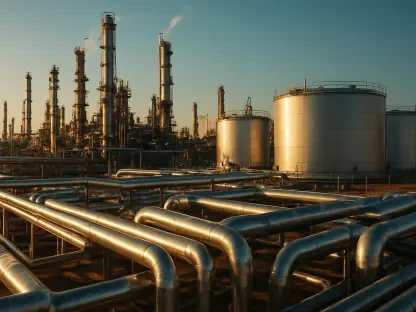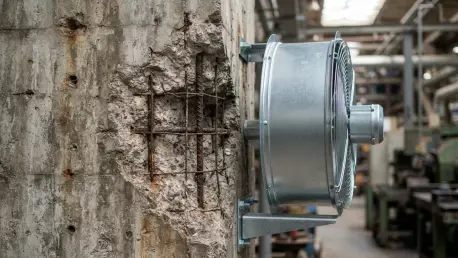

The shift from natural draft to mechanical draft cooling at the Mitchell plant introduces higher maintenance requirements and a slight reduction in net power output due to the use of electric fans. This engineering transition sits at the heart of an intense regulatory debate in West Virginia, where the Mitchell Power Plant has long served as a backbone for regional energy production. As the facility faces the realities of aging infrastructure, the decision by the Kentucky Public Service Commission to authorize a nearly two-hundred-million-dollar expenditure reflects the difficult choices inherent in modernizing the power grid. The plant, which began its service life over fifty years ago, is now a symbol of the friction between historical reliability and the economic pressures of a changing utility landscape. Navigating this path requires a delicate balance between engineering feasibility and the financial burden placed on local communities who rely on this facility for power and employment. This investment represents a pivotal moment in utility management strategy.
Structural Decay: The Transition to Mechanical Cooling
The structural integrity of the Mitchell plant has become a primary concern for engineers and safety inspectors alike. Since the facility first went online, its two massive concrete natural draft cooling towers have stood as iconic features of the Ohio River valley. However, over five decades of constant operation have taken a severe toll on the concrete shells. Continuous exposure to high levels of moisture, combined with the stresses of thermal cycling, has led to significant degradation. In 2024, a project intended to reinforce the tower serving Unit 2 revealed that the internal damage was far more extensive than initial surveys suggested. The core issue involves deep-seated corrosion of the internal steel reinforcement bars, which causes the surrounding concrete to crack and flake away. This process, often referred to as “concrete cancer,” compromises the load-bearing capacity of the structure. Without a major intervention, the risk of a sudden structural failure remained high.
The decision to move away from the traditional natural draft design marks a significant departure from original 1970s engineering principles. While the original hourglass towers used the natural “chimney effect” to draw air upward and cool the water, the new proposed system utilizes a bank of high-powered mechanical fans. This mechanical draft approach offers several logistical advantages, particularly regarding construction speed and spatial efficiency. Because these towers are significantly shorter and more compact than their concrete predecessors, they can be deployed much faster, which is critical given the current state of Unit 2. This technological pivot allows the utility to restore full functionality without the decades-long commitment required by massive concrete construction projects. Furthermore, the modular nature of mechanical draft systems provides greater flexibility for future site modifications, should the operational needs of the plant change significantly before its final retirement date arrives.
Fiscal Responsibility: Balancing Grid Reliability and Cost
The financial implications of this one-hundred-ninety-one-million-dollar project are substantial and have triggered widespread concern among regional stakeholders. A significant portion of the funding is expected to come from a fifty-one-million-dollar grant provided by the Department of Energy, which aims to support grid stability through the modernization of existing assets. This federal intervention is part of a broader strategy to ensure that legacy power plants can continue to function reliably as the nation moves through a complex energy transition. However, even with this injection of federal capital, a large financial gap remains that must be filled by the utility providers. For Kentucky Power and its sister company, Wheeling Power, the remaining balance will ultimately be recovered through the rates charged to their customers. This means that households and businesses throughout the service area will see adjustments to their monthly utility bills to cover the costs of these critical engineering upgrades and repairs.
In the final analysis, the approval of the Mitchell cooling tower project demonstrated that regulators prioritized immediate grid stability over long-term capital optimization. They faced a binary choice between authorizing an expensive repair or accepting the premature shutdown of a major generating unit at a time when electricity demand was surging due to new industrial growth. To move forward, the utility providers established a rigorous monitoring schedule to ensure that the mechanical fans performed as expected during the initial phase of operation. They also integrated advanced diagnostic sensors to track the health of the remaining concrete structures, aiming to prevent any further unexpected failures. By choosing this path, the commission ensured that the regional grid remained resilient against the growing power needs of data centers and domestic manufacturing. The project ultimately served as a bridge, buying the necessary time to develop a more permanent and diversified energy strategy for the years following the retirement.