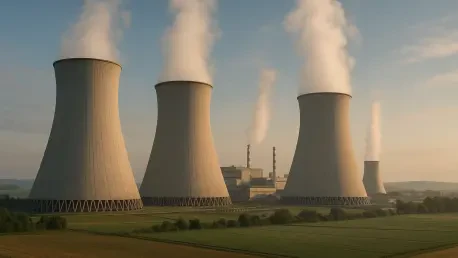

Federal officials have sanctioned a $1.9 billion financial package to help NextEra Energy restart a decommissioned nuclear reactor that once served the rural Midwest grid. This massive injection of capital represents a pivotal shift in the nation’s energy strategy, moving away from the trend of retiring older nuclear facilities in favor of preserving reliable carbon-free baseload power. The Duane Arnold Energy Center, located in Palo, Iowa, was shuttered in 2020 following a severe derecho storm that damaged its cooling towers, but the surging demand for electricity driven by artificial intelligence has changed the economic calculus. By providing this loan guarantee through the Department of Energy’s Loan Programs Office, the government aims to bridge the gap between regional energy scarcity and decarbonization targets. This move highlights a growing consensus that nuclear power is essential for stabilizing a grid increasingly reliant on intermittent sources and manufacturing.
Technical Restoration: Rebuilding the Core Infrastructure
Reviving a facility that has been dormant for several years requires more than just a simple flip of a switch; it necessitates a comprehensive overhaul of critical safety and operational systems. Engineering teams have initiated deep-tissue inspections of the reactor pressure vessel and the primary containment structure to ensure structural integrity remains within the strict margins required for modern licensing. The $1.9 billion loan specifically facilitates the replacement of the damaged cooling towers and the modernization of the plant’s control room with digital instrumentation systems. These upgrades are designed to extend the operational life of the facility while improving efficiency and safety response times. Furthermore, the refurbishment includes an evaluation of the steam generators and turbine components to prevent mechanical failures during the plant’s second life. This process ensures the plant can meet the high reliability standards of the regional grid today.
Beyond the hardware, the restart project addresses the human capital challenges that often plague the nuclear sector in the current economic landscape. NextEra Energy has launched a massive recruitment drive to bring back veteran nuclear operators and attract new talent to the Palo area. This effort involves establishing specialized training programs that utilize advanced simulators to prepare the workforce for the unique operational characteristics of the boiling water reactor design. The infusion of federal capital allows for a robust workforce development pipeline, ensuring that the plant operates with a surplus of qualified staff capable of maintaining rigorous safety protocols. This strategy not only mitigates the risk of operational errors but also builds a sustainable professional ecosystem for the regional energy industry. By prioritizing the development of skilled labor, the project creates a blueprint for how other states might manage the complex process of nuclear reactivation.
Strategic Implementation: Securing Long-Term Energy Stability
The decision to bring Duane Arnold back online is inextricably linked to the massive power requirements of modern industrial users, particularly the burgeoning data center industry. Tech giants have been scouring the country for carbon-free electricity sources that provide steady, around-the-clock power to fuel server farms and artificial intelligence model training. This nuclear facility is uniquely positioned to fulfill this need, providing a localized source of baseload energy that does not fluctuate with the weather. Consequently, the restart is expected to attract significant secondary investments into the Iowa corridor, turning the region into a hub for digital infrastructure and high-tech manufacturing. The integration of this 600-megawatt plant into the Midcontinent Independent System Operator grid will provide much-needed relief to a system that has been strained by the closure of coal plants and the slow pace of transmission line construction across the various states.
The completion of the financial package solidified a transition where nuclear energy regained its status as a cornerstone of industrial growth and environmental stewardship. Strategic planners moved swiftly to finalize power purchase agreements that guaranteed the plant’s financial viability for the next twenty years. These actions successfully stabilized the regional power market and provided a definitive answer to the growing concerns over energy scarcity in the heart of the country. Leaders in the energy sector recommended that future projects prioritize early community engagement and the adoption of modular upgrade technologies to further decrease reactivation timelines. The successful deployment of this capital underscored the necessity of diverse energy portfolios and encouraged a renewed focus on domestic fuel supply chains. Stakeholders recognized that maintaining existing assets was more cost-effective than starting from scratch. This bold investment proved that the path to a future was built on technology.