
The rapid proliferation of sophisticated generative artificial intelligence models has fundamentally transformed the global digital landscape, yet this expansion is now colliding with the harsh realities of physical resource limitations. While the public often views AI as an ethereal cloud-based entity, the infrastructure supporting it resembles the heavy industry of the past century more than the nimble software firms of the early internet era. Every large language model update requires billions of parameters to be processed across sprawling data center campuses that consume more electricity than many small nations. This transition has forced a reevaluation of tech development, as the ability to secure physical commodities—specifically land, water, and power—now dictates the speed of innovation more than the elegance of the underlying algorithms. As this transition unfolds, the industry is discovering that the digital frontier is inextricably linked to the finite resources of the physical world.
Power Generation: Meeting the Massive Energy Demand
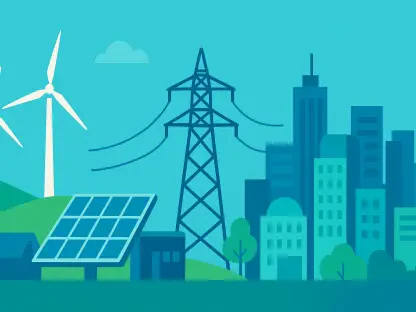
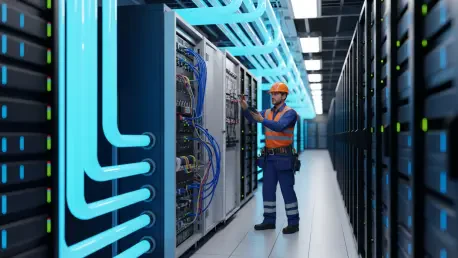
Data centers have evolved into the primary industrial engines of the modern economy, housing dense clusters of graphics processing units that require consistent, high-voltage power supplies to function effectively. This massive appetite for electricity has placed an unprecedented strain on aging municipal grids that were never designed to handle the localized energy density of a contemporary AI hub. In many regions, the time required to upgrade high-voltage transmission lines or build new substations now spans several years, creating a severe bottleneck that halts the construction of essential computing infrastructure. Consequently, tech giants are no longer waiting for utility companies to modernize their delivery systems; instead, they are aggressively scouting for locations that offer immediate access to power, often bypassing urban centers in favor of rural sites where the remaining grid capacity allows for the scale of operations that these modern AI clusters demand.
To circumvent persistent delays associated with public utility upgrades, leading technology corporations are pivoting toward self-generation strategies that increasingly rely on localized fossil fuel power plants. This shift is particularly visible in the sudden surge of behind-the-meter gas turbines and small-scale modular reactors intended to provide the “always-on” reliability that intermittent renewable sources like wind and solar cannot yet guarantee at scale. While these companies previously championed ambitious carbon neutrality goals, the urgent pressure to maintain competitive dominance in the AI race has necessitated a pragmatic, if controversial, return to traditional energy sources. This trend highlights a growing tension between the environmental aspirations of the tech sector and the immediate physical requirements of its newest products. As these private microgrids become more common, they represent a significant departure from the centralized energy model that dominated for decades.
Cooling Infrastructure: The Environmental Cost of Water Usage
Heat management remains one of the most significant engineering challenges facing the modern data center, as the latest generations of high-density AI chips generate thermal energy at levels that challenge traditional air-cooling methods. To prevent catastrophic hardware failure and maintain peak performance, operators are increasingly turning to liquid cooling systems that circulate massive volumes of water through specialized heat exchangers. This reliance on local water supplies has triggered growing friction in arid regions where data centers compete with agricultural and domestic needs for a share of diminishing aquifers. In some municipalities, the sheer volume of water required to dissipate the heat from a single large-scale facility can reach millions of gallons per day, leading to regulatory pushback and community protests. The physical reality of AI is thus written in the flow of local rivers, turning data center sites into focal points for broader ecological debates.
The industry’s attempts to mitigate direct water usage often result in a phenomenon known as the water-energy trade-off, where saving water on-site leads to increased environmental burdens elsewhere in the supply chain. For example, when a data center adopts closed-loop air cooling to minimize its local water footprint, the facility typically requires a significantly higher amount of electricity to power the fans and compressors needed for heat rejection. Because the regional power plants providing this extra electricity often rely on their own water-intensive cooling processes, the net water consumption across the entire ecosystem may actually increase. This paradox complicates the efforts of sustainability officers who must account for indirect resource impacts that are not immediately visible at the facility level. As the scale of AI deployments continues to grow, finding a technological solution that minimizes both electricity and water consumption has become a priority for engineers.
Workforce Development: Overcoming the Skilled Labor Shortage
Beyond the scarcity of natural resources, the rapid expansion of AI infrastructure is being throttled by a severe shortage of specialized human labor and shifting market dynamics that favor the largest players. Each new data center requires a small army of certified master electricians to install complex power units, yet the supply of these professionals has not kept pace with demand, creating a physical ceiling on growth. This scarcity has driven up operational costs, particularly for startups and firms in emerging markets like India, where infrastructure is already under strain. As hyperscale operators secure the majority of available energy and labor, the price of renting computing power has begun to rise, forcing smaller innovators to seek more efficient software solutions to stay competitive. This labor and cost bottleneck demonstrates that even with unlimited capital, the physical construction of the AI era remains fundamentally dependent on a limited pool of specialized resources.
The industry responded to these challenges by prioritizing resource efficiency and diversifying the geographical footprint of new infrastructure projects. Stakeholders recognized that the path to sustainable growth required more than just incremental improvements in chip design; it necessitated a holistic redesign of how data centers interacted with their local environments. Engineers implemented advanced closed-loop systems and explored alternative energy storage solutions to buffer the impact of intermittent power supplies. Policymakers and industry leaders collaborated to establish clearer standards for resource reporting, which helped align corporate goals with regional ecological needs. By investing in regional training programs, the sector successfully addressed the labor gap and fostered a new generation of skilled technicians. Ultimately, the transition away from resource-intensive models provided a blueprint for more resilient development. These actions ensured that the physical demands did not overshadow the potential benefits.