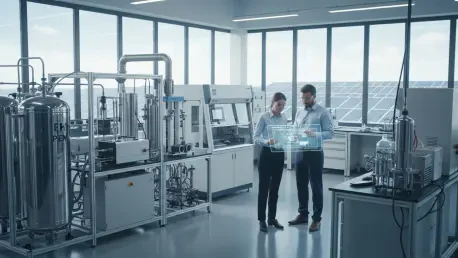

The global energy landscape is currently undergoing a radical transformation as nations strive to decouple economic growth from carbon-intensive fossil fuels through innovative engineering solutions. At the forefront of this shift, SRM University-AP has forged a strategic partnership with Haruka to pioneer a cutting-edge green hydrogen research initiative that aims to redefine clean energy generation. This collaboration represents a vital bridge between high-level academic inquiry and practical industrial scalability, focusing on the development of efficient water electrolysis technologies. By utilizing renewable energy sources to power the separation of hydrogen from water, the project seeks to eliminate the carbon footprint typically associated with traditional hydrogen production methods like steam methane reforming. As international pressure to achieve carbon neutrality intensifies, such initiatives provide the necessary technological roadmap for industries to transition toward a sustainable, hydrogen-based economy that supports both regional energy security and global climate goals.
Advanced Electrolysis and Material Innovation
Building on this foundation of environmental stewardship, the technical core of the project centers on enhancing the efficiency of Proton Exchange Membrane (PEM) and Anion Exchange Membrane (AEM) electrolyzers. Haruka contributes significant expertise in advanced materials science, specifically in the synthesis of low-cost, high-performance catalysts that reduce the reliance on expensive noble metals like platinum and iridium. Researchers at SRM University-AP are leveraging these breakthroughs to optimize the internal architecture of electrolysis cells, ensuring maximum energy conversion efficiency even under fluctuating power inputs from solar and wind farms. This research is critical because the intermittent nature of renewable energy often complicates the steady production of hydrogen. By integrating smart monitoring systems and resilient catalyst structures, the team is working toward a robust system capable of long-term operation with minimal maintenance. Moreover, the project explores the potential of seawater electrolysis, a move that could potentially unlock vast hydrogen resources without depleting freshwater supplies, marking a significant leap in the scalability of the technology for coastal industrial hubs.
Strategic Pathways for Commercial Deployment
The initial phase of this partnership successfully established a pilot-scale facility that served as a testing ground for integrated renewable systems and high-pressure storage solutions. Moving forward, the focus shifted toward localizing the supply chain for electrolyzer components within the region, which significantly lowered the barriers to entry for smaller industrial players looking to adopt clean fuels. Stakeholders emphasized the importance of standardizing safety protocols and modular assembly techniques to facilitate the rapid expansion of hydrogen refueling stations across major transportation corridors. To sustain this momentum, future considerations included the establishment of a dedicated hydrogen innovation corridor where academic breakthroughs could be directly funneled into commercial prototypes. This approach encouraged a more dynamic exchange of technical data, allowing for real-time adjustments to system designs based on industrial feedback. By prioritizing the development of a skilled workforce trained in hydrogen safety and system management, the project ensured that the necessary human capital was available to support a full-scale transition. This strategic roadmap effectively positioned the region as a leader in the emerging green hydrogen market, paving the way for broader international cooperation in sustainable energy infrastructure.