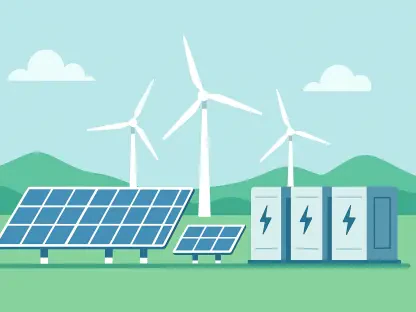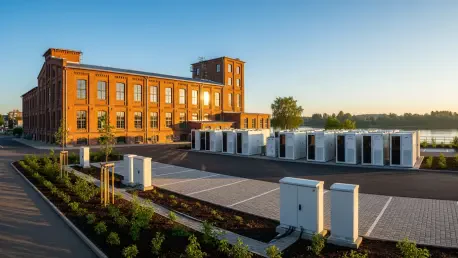

The historic paper mill at 97 East Main Street in Erving has stood as a testament to Massachusetts industrial heritage for generations, but its continued survival in an era of volatile energy markets requires a radical shift toward modern electrical infrastructure. Erving Industries is currently exploring a transformative partnership with Madison Energy Infrastructure to integrate a 3.2-megawatt battery energy storage system into its daily operations. This initiative aims to bridge the gap between traditional manufacturing and the demands of a modern grid by capturing surplus power generated by the mill’s existing turbine systems. Instead of allowing excess energy to dissipate or selling it back at unfavorable rates, the facility intends to store this power for use during peak demand periods. This strategic move is not merely an environmental gesture but a calculated attempt to secure the economic viability of the site against rising utility costs. By stabilizing its power supply, the mill seeks to maintain its competitive edge while setting a precedent for other legacy industries throughout the region.
Strategic Planning and Economic Rationale
The fundamental driver behind this energy transition is the increasingly prohibitive cost of supplemental electricity provided by regional utility providers like National Grid. While the Erving facility successfully produces approximately ninety percent of its own power through on-site generation, the remaining ten percent often coincides with periods of peak grid demand. These windows of high consumption trigger significant financial penalties and tiered pricing structures that can severely impact the mill’s monthly operational budget. By installing the 3.2-megawatt lithium-ion array, Erving Industries effectively creates a dedicated energy reservoir that allows for the retention of its own surplus power. This closed-loop system provides the mill with the unique ability to “buy back” its own electricity during those expensive peak hours rather than relying on external procurement. This approach provides a necessary buffer against the unpredictable fluctuations of the New England power market and ensures long-term fiscal stability.
Implementation of the battery system involves complex logistical planning to ensure that the hardware does not interfere with existing manufacturing processes or local traffic patterns. The proposed layout designates roughly a quarter-acre of a larger four-acre parcel situated along the Route 2 corridor for the battery enclosures. This specific location was selected following multiple design iterations aimed at navigating local zoning constraints and avoiding the logistical bottlenecks of the mill’s primary footprint. A critical component of this infrastructure is the installation of an underground distribution wire that will traverse the Route 2 area to link the storage facility directly to the mill’s internal power distribution hub. Madison Energy Infrastructure will manage the ongoing maintenance and monitoring of the site, leveraging their experience with similar utility-scale projects throughout the Commonwealth. This partnership ensures that the system remains operational and efficient without placing additional technical burdens on the mill’s staff.
Public Safety and Environmental Oversight
Public safety remains a central theme in town meetings, as residents have expressed valid concerns regarding the fire risks associated with high-density battery storage. The history of large-scale energy projects in the region has left some community members wary of new installations, particularly concerning the phenomenon known as thermal runaway. To address these fears, the project will utilize Tesla Megapack technology, which is engineered to meet the most stringent international safety standards. These units are equipped with advanced fire suppression systems and localized cooling mechanisms designed to isolate potential failures before they spread. Furthermore, the system includes 24/7 remote monitoring capabilities that allow technicians to detect electrical anomalies or temperature spikes in real-time, facilitating immediate intervention. The development team has established a collaborative framework with the Erving Fire Department to ensure that local emergency responders are ready to assist.
The integration of the battery storage system eventually served as a definitive turning point for Erving’s industrial landscape, proving that traditional manufacturing could adapt to modern efficiency standards. By prioritizing early engagement with the local conservation commission and investing in sophisticated runoff management, the facility demonstrated how to balance industrial growth with environmental stewardship. The project successfully utilized localized energy storage to decouple the mill’s operations from the most volatile segments of the regional power grid. Analysts observed that other legacy industries benefited from studying these modular storage solutions as a primary method for mitigating rising operational costs. The proactive collaboration between private energy firms and local emergency services established a vital framework for public safety that minimized community anxiety. In the end, the project provided a clear blueprint for industrial resilience, suggesting that the path to long-term viability required a synthesis of historical expertise and modern investment.