
The Growing Shadow of Geopolitical Risk over Global Energy
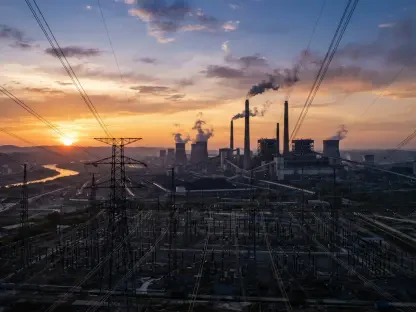
The global energy landscape is currently trembling under the weight of naval maneuvers and escalating geopolitical friction that has pushed Brent crude past the $102 mark. This surge reflects a market bracing for potential confrontation in the Middle East. With the USS Theodore Roosevelt joining two other carrier strike groups, the risk of escalation appears higher than in previous cycles. Investors are looking beyond short-term fluctuations, factoring in a structural shift where military posture dictates the price of a barrel.
Historical Precedents and the Fragility of Global Fuel Markets
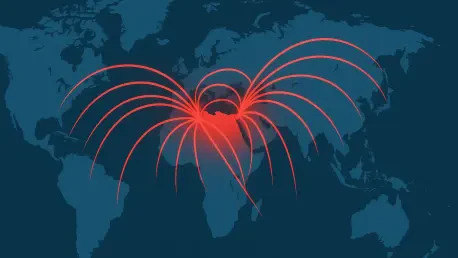
For decades, the Strait of Hormuz acted as the primary valve for global energy, where any friction immediately impacted stock exchanges. While crude flows previously managed to recover from localized shocks, the current landscape is more precarious due to simultaneous threats across multiple fronts. Past crises were often contained, but today’s market faces the cumulative weight of regional instability and a decline in refining flexibility. This historical context makes the current military buildup look less like a routine exercise and more like a permanent pivot toward higher price baselines.
A Perfect Storm of Supply Disruptions and Strategic Maneuvers
The Impact of Military Mobilization and Maritime Insecurity
The recent deployment of 10,000 additional troops signals a significant shift in regional power dynamics. Analysts view this mobilization as a precursor to potential action following the November midterms. Maritime security has eroded quickly, with three tanker attacks occurring in the Strait of Hormuz in a single week. These incidents force a war premium onto every shipment, as insurance costs and freight risks climb alongside the physical threat to cargo.
Refinery Outages and the Weakening Global Supply Chain
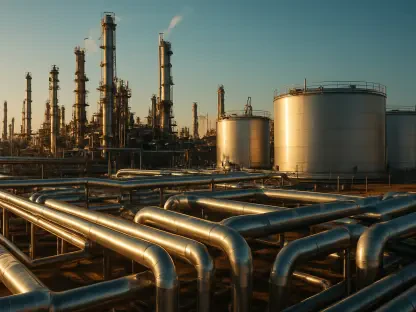
Disruptions extend beyond the Gulf, as Ukrainian strikes on Russian refineries have removed substantial volumes of diesel from the global market. This shortage triggered a Russian export ban, shifting the burden to other producers who are already at capacity. Meanwhile, drone technology used by Houthi forces has made even secure energy facilities vulnerable. This reality proves that production levels matter little if the infrastructure to process and move the fuel remains under constant threat.
Protectionism and the Scramble for Domestic Resource Security
Domestic political pressure is driving a wave of protectionism that further chokes international supply. In the United States, diesel prices reaching $6.40 per gallon have fueled calls for export restrictions to protect domestic transport costs. Simultaneously, China has begun hoarding fuel by canceling gasoline exports. This resource nationalism creates a feedback loop where local inflation-fighting measures inadvertently drive global prices higher, leaving import-dependent nations in a difficult position.
Emerging Trends and the Future Outlook of Energy Security
Looking ahead, the integration of low-cost drone warfare suggests that energy infrastructure will remain a permanent target. Governments are likely to continue using energy exports as a diplomatic tool, moving away from free-market principles toward a security-first model. The high-risk premium is expected to persist as long as the U.S.-Iran relationship remains antagonistic and refinery output remains constrained by conflict. Traditional supply-demand metrics may remain secondary to geopolitical developments for the foreseeable future.
Strategic Takeaways for Navigating a Volatile Oil Market
To survive this volatility, businesses were forced to diversify energy sources and audit their exposure to shipping chokepoints. Policymakers found that expanding domestic refining capacity was the only way to insulate local economies from external shocks. Strengthening strategic reserves became a necessity rather than a luxury for national stability. Consumers had to adjust to sustained inflationary pressure as transportation costs remained elevated across the entire global economy.
Conclusion: The New Reality of Global Energy Geopolitics
The convergence of military escalation and protectionism redefined the global energy market. Energy security emerged as a primary pillar of national defense, transcending mere economic policy. Stakeholders recognized that the existing system was far more fragile than previously assumed, which necessitated a fundamental change in resource management. This shift ensured that the era of predictable energy pricing was replaced by a more strategic and defensive global posture.