
The Turkish vessel Oruç Reis conducted 3D seismic surveys over a 234-day period, covering 4,464 square kilometers to provide the geological confidence needed for deep-sea exploration. This monumental survey marks a definitive turning point for a nation that has historically existed on the periphery of the global energy conversation. For decades, Somalia’s maritime potential remained an abstract concept, hindered by security concerns and a lack of technical infrastructure. However, the current mobilization of advanced drilling technology indicates a shift from theoretical potential to tangible industrial application. The arrival of deep-sea assets in the Indian Ocean symbolizes more than just an engineering feat; it represents a fundamental restructuring of the national economy. By leveraging its vast coastline, the government is attempting to pivot toward a future defined by hydrocarbon exports and energy sovereignty. This transition requires a complex orchestration of diplomacy and high-tech maritime operations to succeed.
Diplomatic Integration: Building Global Presence
Building International Alliances
Participation in high-level summits like the 17th International Energy Forum Ministerial Meeting in Riyadh has provided Somalia with a platform to reintroduce itself to the global market. Represented by the Minister of Petroleum and Mineral Resources, the country emphasized its commitment to global energy security and shared economic goals. This diplomatic effort is designed to signal to international investors that the nation is ready for business, moving away from its previous status as a high-risk zone to becoming a viable frontier for energy exploration. By engaging with major oil-producing nations and global industry leaders, Mogadishu is aligning its national interests with international trends that prioritize transparency and cooperative development. This strategic visibility is essential for attracting the multibillion-dollar investments required to develop offshore infrastructure and ensure that the country can compete on a global scale within the next few years as production begins.
The Somali-Turkish Exploration Campaign
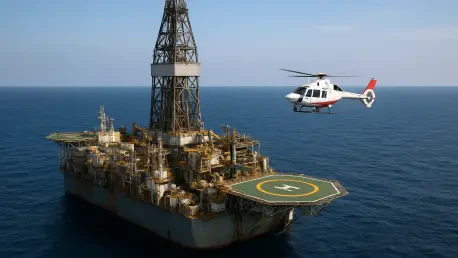
The technical core of the current energy strategy is the deepening bilateral partnership with Turkey, which has progressed into active field operations. The Turkish state-owned Turkish Petroleum Corporation is currently leading a sophisticated drilling campaign using the Çağrı Bey drillship, a vessel equipped with the latest deep-water technology. This operation focuses on the Curad-1 well, located approximately 372 kilometers off the coast of Mogadishu. The project is remarkably ambitious, targeting a total depth of roughly 7,500 meters, which places it among the deepest offshore wells ever attempted on the continent. Successful completion of this well would validate years of geological theorizing and provide the first concrete evidence of commercial oil presence in Somali waters. This partnership provides Somalia with access to advanced technical expertise and equipment that would otherwise be out of reach, effectively accelerating the timeline for potential commercial production and refinery work.
Geological Foundations: From Surveys to Drilling
Seismic Preparation and Data Collection
Extensive preparation preceded the current drilling phase, characterized by nearly a year of intensive seismic activity across several maritime blocks. The data collected during this mission has been instrumental in identifying the most promising geological structures within Blocks 142, 152, and 153. These 3D surveys have allowed geologists to map the subsurface with unprecedented clarity, reducing the inherent risks associated with deep-sea drilling. The preliminary analysis of this data suggests that the underlying rock formations share characteristics with known oil-bearing basins in other parts of the world. This scientific foundation is what gives the current drilling campaign its credibility, as it is based on empirical evidence rather than speculation. The ongoing data collection and interpretation process will continue throughout 2026 and 2027, ensuring that each subsequent well is placed with the highest possible probability of striking commercial quantities of valuable hydrocarbons.
Production Sharing and Investor Incentives
To facilitate these capital-intensive operations, the government has established a comprehensive legal framework through a Production Sharing Agreement finalized recently. This agreement is specifically tailored to the unique risks of a frontier basin, where the lack of historical production data typically deters major energy companies. The current terms allow for an high rate of cost recovery, permitting operators to reclaim up to 90 percent of their initial investment from production proceeds after royalties are paid. Additionally, royalty rates have been set at a competitive five percent to ensure that the project remains economically viable even in a volatile global market. While these terms are generous, officials argue they are a necessary entry price to attract world-class technology to an untested region. The goal is to stimulate immediate exploration activity, with the expectation that fiscal terms can be adjusted in future bidding rounds once the basin is proven to be productive.
Resource Management: Governance and Potential
Estimating Resource Wealth and Potential
The economic stakes are massive, with industry estimates suggesting that Somalia’s offshore territory could hold up to 30 billion barrels of oil. Such a discovery would fundamentally transform the nation’s financial status, providing a reliable source of revenue for infrastructure, education, and healthcare. Currently, the vast majority of the 247 identified offshore blocks remain open for international bidding, representing a significant opportunity for future growth. The government is focused on turning these speculative figures into booked reserves, which would allow the nation to borrow against its future wealth to fund immediate development needs. However, experts caution that these estimates remain un-risked until the Curad-1 well or subsequent appraisal wells provide physical confirmation of oil. If the current drilling campaign is successful, the energy sector could become the primary engine for Somalia’s economic development, providing the fiscal stability necessary to support a modern national economy.
Legislative Oversight and Next Steps
The political discourse in Mogadishu was defined by debates over the level of parliamentary oversight applied to recent energy and defense pacts. Lawmakers questioned the balance of economic benefits, with some arguing that the current fiscal terms leaned too heavily in favor of foreign interests at the expense of the Somali public. To move forward effectively, the government recognized that it must foster a broader political consensus and establish a sovereign wealth fund to manage future revenues. Priority was placed on finalizing the national petroleum law to clarify the division of powers between central and regional authorities. Future considerations included the development of local content requirements to ensure that Somali citizens benefited from employment and training opportunities within the oil sector. By prioritizing institutional transparency and inclusive governance, the nation aimed to transform its geological potential into a sustainable foundation for long-term national stability.