
The creation of independent power sources like the Livermore Microgrid ensures that evacuation shelters and emergency services remain functional when the main grid fails. This initiative is part of a broader $9.1 million strategic investment by the Poudre Valley Rural Electric Association to overhaul and strengthen the electrical infrastructure serving Boulder, Larimer, and Weld counties. By securing $5.8 million in federal and state grant funding from the U.S. Department of Energy and the Colorado Energy Office, the cooperative is addressing the escalating risks posed by climate volatility and aging equipment. The program focuses on three main pillars: wildfire mitigation, rural modernization, and emergency resilience. Instead of relying on reactive repairs, this approach leverages proactive technology to create a hardened grid. The integration of advanced analytics and physical infrastructure upgrades represents a shift toward a more stable energy future, ensuring that the local utility remains a reliable backbone for the region.
Innovative Energy Architectures: Implementing Local Power Solutions
The development of a community microgrid in Livermore stands as a cornerstone of this modernization effort, providing a high-tech solution to the challenges of remote power distribution. This system is engineered to operate autonomously, a process known as islanding, which allows it to maintain electricity for critical local services even if the main regional grid suffers a catastrophic failure. Such resilience is particularly vital during severe winter storms or wildfires that can sever traditional transmission lines and leave mountain communities isolated for days. By utilizing localized generation and storage, the microgrid acts as a definitive safety net, bridging the gap between immediate disaster response and long-term recovery. This project demonstrates how decentralized energy architecture can mitigate the risks associated with centralized dependencies. It transforms the way the cooperative handles emergency scenarios, moving away from a model that prioritizes urban density over rural residents.
Beyond the microgrid, the cooperative is making investments in digital forecasting and advanced analytics to optimize the performance of the entire system. These technologies allow utility managers to process vast amounts of data in real time, identifying potential vulnerabilities in the distribution network before they lead to service interruptions. By using predictive modeling, PVREA can schedule maintenance and equipment replacements with precision, reducing the frequency of unplanned outages and extending the lifespan of critical components. This digital transformation is not just about efficiency; it is a fundamental shift in how utility companies approach risk management in the modern era. As the grid becomes more complex with the addition of renewable sources and electric vehicle charging, these analytical tools provide the necessary oversight to ensure stability. The transition to a data-informed grid ensures that resources are allocated where they are needed most, creating a more responsive and adaptable infrastructure.
Strategic Partnerships: Strengthening Regional Public Safety
The collaborative nature of this initiative has garnered attention at the federal level, with officials from the Department of Electricity observing the implementation process as a potential national blueprint. This Colorado model emphasizes the importance of inter-agency cooperation, where local cooperatives work in tandem with state and federal entities to achieve shared safety goals. By aligning utility upgrades with the broader emergency management strategies of the Colorado Energy Office, PVREA ensures that its infrastructure serves as a pillar for public protection. Strategic investments in grid hardening are increasingly seen as a matter of security, as the energy sector remains a primary target for environmental threats. The focus on protecting hospitals, fire stations, and designated evacuation shelters highlights a priority on human life and essential services during times of crisis. This partnership approach allows for the pooling of expertise and financial resources, enabling the cooperative to tackle large-scale projects.
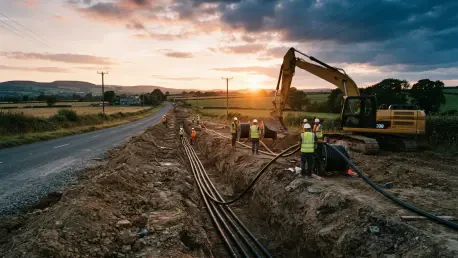
Physical hardening of the grid is another critical component of the partnership, particularly in Boulder County where 2.2 miles of distribution lines are being transitioned from overhead to underground. This move is designed to eliminate the risk of utility-ignited wildfires, a concern that has become paramount in the dry regions of the Front Range. Undergrounding lines not only protects the environment but also shields the equipment from the damaging effects of extreme weather, such as heavy snow loads and high-velocity gusts. This physical transformation is being matched in Weld County, where approximately 10 miles of aging rural infrastructure are being replaced with modern, durable materials. These upgrades are essential for agricultural members who depend on consistent power for large-scale operations. By replacing outdated materials like theft-prone copper with more secure alternatives, the cooperative is enhancing the overall integrity of the network. This overhaul ensures that the grid is more resistant to natural disasters.
Economic Viability: Balancing Financial Sustainability and Value
Maintaining the balance between technological advancement and economic viability is a central challenge for any member-owned cooperative. The injection of $5.8 million in grant funding serves as a vital financial buffer, allowing PVREA to pursue these ambitious legacy projects without placing an undue burden on its membership. This strategy enables the organization to keep its electric rates among the lowest in the state while still delivering the high-level service expected by modern consumers. For rural cooperatives, the ability to leverage external funding is becoming increasingly critical as the costs of infrastructure maintenance and modernization continue to rise. This financial model demonstrates a sustainable path forward for other utilities looking to upgrade aging systems in a way that respects the financial constraints of their local communities. By prioritizing projects that offer the highest return on investment in terms of reliability and safety, the cooperative is securing its long-term health and stability.
Stakeholders focused on the integration of these systems into a unified regional strategy that addressed both current demands and future growth through 2028. Engineers and planners prioritized the deployment of hardened materials and localized power solutions to ensure that the grid remained resilient against the backdrop of increasing climate volatility. The implementation of these measures provided a clear roadmap for other rural cooperatives to follow, emphasizing the need for proactive investment and inter-agency collaboration. Moving forward, the focus shifted toward expanding these localized microgrids to other remote service areas and further refining predictive analytics to enhance preventative maintenance cycles. Utility managers looked toward continuous data collection to validate the performance of underground lines, providing actionable insights for the next phase of expansion. By finalizing these infrastructure upgrades, the region established a more robust foundation for community survival and economic stability.