
The Philippines currently faces a significant economic disadvantage with average power costs of ₱12.43 per kilowatt-hour, surpassing rates in neighboring countries and the United States average. This startling figure has prompted billionaire Henry Sy Jr. to propose a monumental $11 billion initiative aimed at overhauling the national energy infrastructure through Battery Energy Storage Systems. As the chairman of Synergy Grid & Development Philippines Inc., Sy envisions a network of “giant powerbanks” that will stabilize the grid and lower costs for millions of consumers. This project is a strategic necessity as the nation prepares for the 2027 El Niño cycle, which threatens to strain existing power reserves. By providing a massive 10,000 MW capacity, the initiative seeks to bridge the gap between supply and the rapidly increasing peak demand. The scope of this plan represents a significant shift toward modern storage solutions, offering a more efficient alternative to the costly and underutilized projects of the past.
Economic Drivers: Addressing High Costs and Escalating Demand
The burden of high electricity prices impacts the broader industrial competitiveness of the Philippines. Compared to regional neighbors, the high cost of power acts as a deterrent for heavy industry and manufacturing sectors that require affordable energy to thrive. Henry Sy Jr.’s proposal leverages Battery Energy Storage Systems to create a mechanism for price arbitrage, storing energy when it is cheapest and releasing it during peak hours when prices typically spike. This load-leveling capability is expected to dampen the volatility of the spot market, leading to more stable retail rates over time. By reducing the reliance on expensive oil-based “peaker” plants called upon during high-demand periods, the battery network provides a buffer that can shield the economy from the fluctuating prices of imported fossil fuels, which have historically dictated the cost of living for many families. This approach fosters a more self-sufficient energy ecosystem that can support development goals.
Meeting the projected energy needs of a developing economy requires intelligent storage solutions that can adapt to changing consumption patterns. The Department of Energy has highlighted a trajectory for peak demand, which is expected to rise to over 33,000 MW by 2035 and reach 68,000 MW by 2050. Sy’s goal of 10,000 MW of storage is strategically designed to account for nearly 30% of that 2035 peak, ensuring that the grid remains functional during the most intense periods of use. This capacity is vital given the recurring threat of droughts that impact the country’s hydropower facilities. When water levels drop, the storage network can step in to maintain the balance, preventing the rolling blackouts that have historically stifled economic productivity. By acting as a strategic reserve, the $11 billion project ensures that the nation’s infrastructure keeps pace with its rapid urbanization. These batteries serve as a safeguard against the uncertainties of future climate-related energy disruptions.
Technical Infrastructure: The Decentralized Powerbank Strategy
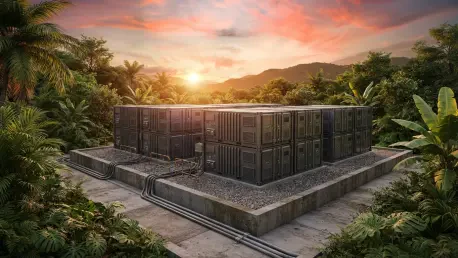
The technical execution of this vision relies on a decentralized architecture known as “Project Airbag,” managed by the National Grid Corporation of the Philippines. Unlike traditional power projects that rely on massive facilities, this initiative utilizes modular and containerized battery units distributed across strategic nodes in the national grid. This approach allows for a more resilient system, as the failure of one unit does not jeopardize the entire network. Currently, the first phase is making progress, with 850 MW of capacity being deployed across six key sites, including Laoag, Calatrava, and Ubay. These locations were chosen to reinforce areas where the grid is vulnerable to fluctuations or where demand is growing fastest. By placing storage closer to points of consumption, the NGCP can reduce transmission losses and improve the efficiency of power delivery, ensuring that electricity is available exactly when it is needed. This modular design also allows for faster construction compared to thermal plants.
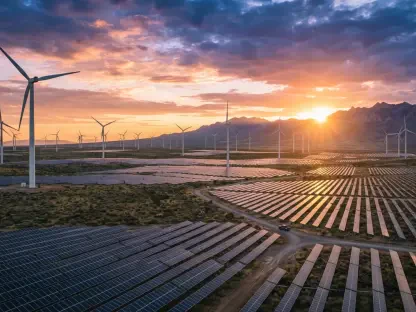
Integrating high volumes of renewable energy is a core objective of the decentralized strategy, especially as solar capacity is projected to reach 23 GW by 2032. The intermittency of solar and wind power creates challenges for grid operators, as production can drop suddenly due to cloud cover. Large-scale battery storage provides the necessary frequency control and voltage regulation to smooth out these fluctuations, preventing grid instability. Without such storage, the rapid expansion of green energy could lead to wasted production or technical failures within the aging transmission infrastructure. By capturing excess solar energy during the day and discharging it during the evening peak, the battery network ensures that renewable investments are fully utilized. This synergy between storage and renewables is the only viable pathway for the Philippines to meet its climate goals while maintaining a reliable grid. The adoption of BESS technology effectively turns intermittent resources into a dependable base-load supply.
Regulatory Environment: Navigating the EPIRA Governance Framework
The primary obstacle to the implementation of this $11 billion vision is the legal framework established by the Electric Power Industry Reform Act (EPIRA). This legislation generally prohibits transmission operators like the NGCP from owning generation or supply assets to prevent monopolistic practices. The core of the current debate lies in the classification of battery storage: is it a transmission asset used for grid stability, or a generation asset used to sell electricity? Sy and his team are advocating for a reinterpretation of these rules, arguing that the NGCP is uniquely positioned to manage large-scale storage for the benefit of the entire grid. Regulators at the Energy Regulatory Commission must carefully weigh this proposal against mandates designed to foster competition, creating a high-stakes environment that will define the future of energy ownership. If the grid operator is permitted to own these systems, it could accelerate the modernization process significantly, though at the risk of legal challenges.
Competition from the private sector adds complexity to the regulatory debate, as independent power producers have already established their own storage footprints. Major players such as San Miguel Global Power have invested in approximately 1,000 MW of battery capacity, and they may view a grid-wide, NGCP-owned network as an unfair encroachment on their market. The resolution of this conflict will determine who controls the nation’s energy reserves and how the costs of these infrastructure projects are recovered. If the NGCP is allowed to proceed, the costs would likely be integrated into transmission charges, whereas private projects rely on different market mechanisms. Balancing the need for rapid modernization with the principles of a fair market remains a significant challenge for policymakers. The outcome of these discussions will not only affect the battery project but will also set a precedent for how new technologies are integrated into a deregulated market. This struggle highlights the tension between public and private interests.
Strategic Trajectory: Moving Toward Long-Term Energy Resilience
The economic feasibility of the BESS proposal is supported by global trends that have seen battery prices plummet by over 90% in the last 15 years. As manufacturing scales up, the cost of lithium-ion systems continues to fall, making storage a more attractive alternative to traditional fossil fuel generation. In the Asia-Pacific region, the shift toward these technologies is accelerating as countries seek to reduce their dependence on volatile international coal and gas markets. By moving forward with the $11 billion project, the Philippines can decouple its energy security from global geopolitical shifts that drive up fuel prices. This transition is about building a future-proof foundation that can support the next generation of industrial growth and urbanization. As the country moves toward a more storage-heavy grid, the reliance on imported energy will naturally decrease, fostering a more sustainable economy. The scale of this investment signals a clear commitment to long-term stability and technological leadership in the region.
The proposal of a national battery network represented a significant milestone in the journey toward a resilient and affordable energy future for the Philippines. Industry leaders recognized that the combination of high costs and rising peak demand required a bold departure from traditional models. Moving forward, the most critical next step involved the government streamlining the regulatory hurdles within the EPIRA framework to allow for rapid BESS deployment. It was essential for the Energy Regulatory Commission to establish clear guidelines that balanced grid stability with market competition, ensuring that the 10,000 MW target was met through transparent investment. Furthermore, the integration of advanced grid-management software became a priority to maximize the utility of these “powerbanks” during peak seasons. By taking these decisive actions, the nation secured a modernized power system that mitigated the risks of energy shortages while paving the way for a sustainable green transition.