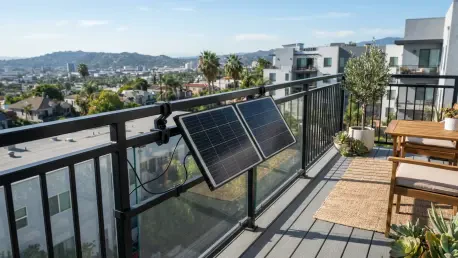

Environmental groups are prepared to lobby for expanded legislative protections if property owners attempt to block widespread adoption of plug-in solar. This legislative push follows the recent enactment of the Plug and Play Solar Act, which fundamentally alters how urban dwellers interact with the electrical grid in California. For decades, the benefits of renewable energy were largely reserved for homeowners with the capital to invest in permanent rooftop installations. Now, the paradigm shifts toward democratization as portable technology allows apartment residents to participate in the green transition. The law eliminates previous requirements for utility company intervention for systems under 1,200 watts, effectively removing a massive bureaucratic hurdle that once deterred casual users. This change represents a significant milestone in California’s pursuit of carbon neutrality by acknowledging that millions of residents in multi-unit housing deserve equitable access to the sun’s power without the need for structural renovation or permanent building modifications.
Streamlining Renewable Energy through the Plug and Play Solar Act
The core of this legislation revolves around the certification of small-scale solar kits designed for direct connection to standard household outlets. Unlike traditional photovoltaic systems that require complex inverters, heavy mounting, and professional electrical integration, these plug-in kits operate on a simpler circuit design that satisfies rigorous safety standards. By setting a 1,200-watt threshold, the state ensures that the energy fed back into the home’s wiring does not overload existing breaker panels or pose fire risks to older building infrastructures. This specific capacity is sufficient to offset the daily consumption of high-draw appliances such as refrigerators or home office setups, providing a tangible reduction in monthly utility bills. The removal of mandatory utility approval is a particularly bold move, as it treats these solar panels more like consumer electronics—such as air conditioners or space heaters—rather than permanent utility-scale infrastructure components.
Transitioning toward this decentralized model requires a sophisticated understanding of how modern micro-inverters manage current flow safely. These devices are engineered to automatically shut down if they detect a loss of grid power, a safety feature known as anti-islanding that prevents electricity from being pushed onto lines where technicians might be working. Furthermore, the portability of these balcony-mounted systems addresses the transient nature of modern living, where workers often move between cities and apartments. Since these panels can be unhooked and packed into a vehicle within minutes, they represent a mobile asset rather than a sunk cost associated with a specific property. This flexibility is essential for the shifting demographics of California’s workforce, which increasingly relies on rental housing. The law essentially legitimizes a technology that has existed in the shadows for years, bringing it into the mainstream while ensuring that manufacturers adhere to strict performance and safety certifications.
Navigating Legal Ambiguities and Property Rights
While the Plug and Play Solar Act successfully bypasses the utility companies, it enters a contentious arena regarding the rights of property owners versus the rights of tenants. The current legal framework in California includes the Solar Rights Act, which has protected homeowners from unreasonable neighborhood association restrictions since the 1970s. However, this legacy legislation never explicitly addressed the unique circumstances of renters who do not own the exterior walls or balconies where these panels are typically placed. Consequently, a significant gray area has emerged, leaving many tenants vulnerable to lease agreements that strictly forbid any external modifications or the placement of “unauthorized” equipment on railings. Landlords often cite aesthetic concerns or potential liability for falling objects as reasons to prohibit these installations. This creates a friction point where state-level environmental goals clash with traditional property management practices, necessitating a balance between individual autonomy and oversight.
This successful transition toward widespread plug-in solar adoption in California redefined the relationship between renters and the power grid. It was observed that when property managers and tenants engaged in transparent dialogue, the technical hurdles associated with balcony-mounted systems were easily overcome. The state provided specific guidelines that clarified the safety requirements for micro-inverter technology, which effectively reduced the liability concerns of housing associations. Environmental advocates noted that the cumulative effect of these small-scale installations contributed to a more resilient electrical infrastructure during peak demand periods. Furthermore, the adoption of standardized lease addendums protected the rights of residents while ensuring that building aesthetics and structural integrity were maintained. This period of rapid integration demonstrated that renewable energy access could be democratized through thoughtful regulation and community cooperation. The lessons learned during this initial rollout phase served as a model for other states.