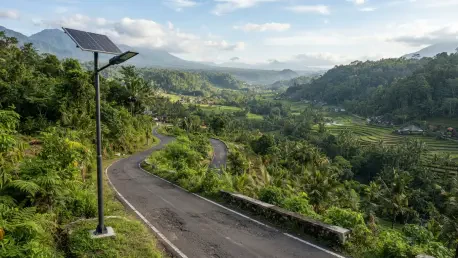

The Semarang State Polytechnic has successfully addressed the persistent issue of grid instability and high utility costs in Sampetan Village through the deployment of solar-powered lighting systems. This initiative, titled “Competitive Community Service,” represents a strategic pivot toward renewable energy in the Gladagsari District of Boyolali Regency, where traditional infrastructure has often struggled to keep pace with modern demands. For years, the residents of Sampetan navigated a landscape of frequent power outages and mounting municipal expenses, which hindered nighttime mobility and compromised public safety. The introduction of these autonomous systems marks a significant departure from the previous reliance on a centralized, often unreliable power grid. By synthesizing high-efficiency photovoltaic technology with advanced digital oversight, the project team from Polines has created a robust framework that transforms the village’s nocturnal environment while simultaneously reducing the fiscal pressure on local administrative budgets.
Advanced Infrastructure and Digital Connectivity
Technical Foundation: Solar System Integration and Hardware
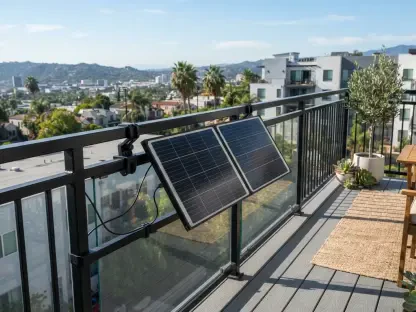
The physical architecture of the newly installed lighting units comprises several high-performance hardware components that work in unison to capture and store energy. Each unit is equipped with monocrystalline solar panels characterized by a high conversion rate, allowing for maximum energy harvesting even during overcast days common in the tropical climate of Central Java. These panels are paired with a sophisticated 24-volt battery storage system designed to retain sufficient power for extended periods. To ensure compatibility with standard high-efficiency LED luminaires, the system utilizes specialized power inverters that convert direct current into 220-volt alternating current. This specific technical configuration was selected to maximize the longevity of the lamps while providing a luminosity level that meets national safety standards for public thoroughfares. Furthermore, the robust housings for these components were engineered to withstand the environmental stressors of rural life.
Smart Monitoring: Real-Time Internet of Things Systems
The true innovation of the Sampetan Village project lies in the seamless integration of Internet of Things capabilities into each lighting pole, creating a networked monitoring environment. A custom-built data collection module serves as the primary interface between the electrical components and a cloud-based management platform, transmitting vital performance metrics via a local Wi-Fi network. Every five minutes, the system captures a comprehensive snapshot of the unit’s operational health, including solar panel voltage, battery capacity, and current electrical load. This high-frequency data collection allows for an unprecedented level of visibility into how the system interacts with its environment in real-time. By utilizing these digital sensors, the village administration can move away from manual inspections, which were historically labor-intensive and often inaccurate. Instead, they now possess a digital dashboard that provides an immediate overview of the entire lighting network’s status.
Community Empowerment and Educational Growth
Fostering Ownership: Training the ARSIS Youth Organization
The long-term success of technological interventions in rural settings depends heavily on the community’s ability to manage and maintain the systems independently. To address this, the Semarang State Polytechnic prioritized the transfer of knowledge as a core pillar of the project, specifically engaging with the members of the ARSIS youth organization in Sampetan. These young leaders participated in intensive workshops that demystified the complexities of photovoltaic systems and Internet of Things networking. The training sessions covered everything from basic electrical safety and routine cleaning of the solar panels to the interpretation of digital data from the cloud dashboard. By empowering the local youth with these specialized technical skills, the project team ensures that the village is not merely a passive recipient of technology but an active participant in its management. This collaborative model fosters a sense of pride and stewardship, which is vital for ensuring the system’s longevity.
Academic Laboratories: Real-World Student Application
For the students of the Polines Electrical Engineering Department, the Sampetan Village initiative functioned as a living laboratory that bridged the gap between academic theory and practical field experience. Undergraduate participants were involved in every stage of the project lifecycle, from initial site surveys and solar radiation mapping to the final assembly of the data modules. This hands-on involvement allowed students to apply complex concepts of electronic circuit design and power management in a setting where real-world variables, such as humidity and fluctuating sunlight, challenged their classroom assumptions. By troubleshooting connectivity issues in the field, students gained a deeper understanding of the limitations and possibilities of rural Wi-Fi networks and long-range data transmission. This pedagogical approach ensures that the next generation of engineers is not only technically proficient but also socially conscious of how their work can directly improve lives in underserved areas.
Performance Evaluation and Strategic Vision
Data Analysis: Empirical Findings from System Monitoring
Following the successful deployment of the systems, a rigorous monitoring period was initiated to evaluate the empirical performance of the solar-powered street lights over a 31-day window. During this phase, the digital modules successfully captured and transmitted over 8,500 individual data points, providing a high-resolution view of the system’s behavior under varying environmental conditions. Initial findings indicated that the lights operated consistently for an average of eight hours each night, providing sufficient illumination during the village’s peak hours of activity. However, the granular analysis revealed technical nuances regarding battery discharge rates during periods of low solar gain. During the final week, data showed that battery capacity depleted more rapidly than anticipated due to overcast weather. This observation highlighted a critical area for optimization, prompting the team to recalibrate charging algorithms to ensure the hardware remains resilient against diverse seasonal challenges.
Strategic Roadmap: Sustainable Rural Development and Expansion
In the final analysis, the collaboration between academic professionals and the local community successfully demonstrated that high-tech energy solutions were viable in rural heartlands. The project team managed to reduce the village’s dependence on the conventional power grid while simultaneously empowering residents with the digital tools necessary for self-sufficiency. By prioritizing community involvement and rigorous data analysis, the initiative moved beyond simple infrastructure and fostered a culture of technological literacy. Future expansion plans were drafted to include additional lighting points and the potential for integrated village service systems that could handle water management or agricultural sensors. The groundwork laid in Gladagsari proved that sustainable energy and smart monitoring were the keys to transforming a village into a safer, more resilient community. This successful intervention provided a clear roadmap for how academic institutions could drive tangible improvements in public welfare.