
The 35 percent goal represents a baseline for ambition rather than a final destination, as long-term targets suggest electrification must hit 68 percent by 2050. This central finding from the Climate Action Tracker highlights the sheer scale of the transformation required to steer the global energy system toward a sustainable future. The proposed target, which seeks to boost the share of electricity in final energy consumption to 35% by 2035, has gained significant momentum through the advocacy of the upcoming COP31 Presidencies, Türkiye and Australia. As the international community grapples with the increasing likelihood of a temporary overshoot of the 1.5°C warming limit, rapid electrification has emerged as a primary lever to minimize the severity of such an event. By shifting away from fossil fuel combustion in favor of electric alternatives, nations can build a foundation for net-zero emissions that is both technologically feasible and economically resilient over the next decade.
Closing the Global Ambition Gap
Bridging the gap between the current trajectory and the necessary climate benchmarks requires an immediate and substantial shift in global policy frameworks. Currently, electricity accounts for approximately 24% of global final energy consumption, a figure that has grown only incrementally over the past several years. To reach the 35% mark by 2035, the world must achieve a nearly four-fold acceleration in its current electrification rates. This is not merely a matter of incremental change but a complete overhaul of energy procurement and utilization. Under existing policies, the global electrification rate is projected to reach only 28% by 2035, leaving a dangerous shortfall that undermines international climate commitments. Failing to close this seven-point gap would likely lock in a business-as-usual pathway, which scientists warn is consistent with a catastrophic global temperature increase of approximately 2.5°C by the end of this century.
Setting a firm target like 35% serves as a critical milestone, but it must be viewed within the context of more stringent Paris Agreement requirements. Optimal pathways to maintain a 1.5°C limit suggest that the global electrification rate should actually sit between 34% and 41% by 2035. This range reflects the diversity of technological readiness across different sectors, where some areas like light-duty transportation are moving faster than heavy industry or long-haul shipping. By 2050, the share of electricity must climb even higher, reaching between 54% and 68% to fully displace legacy carbon-intensive systems. Reaching these targets necessitates the rapid phase-out of fossil fuel combustion in residential buildings, commercial heating, and industrial processes. This transition marks the end of the era of internal combustion and the beginning of a grid-centric energy paradigm that prioritizes efficiency and zero-emission power sources worldwide.
Integrating Clean Energy and Modern Infrastructure
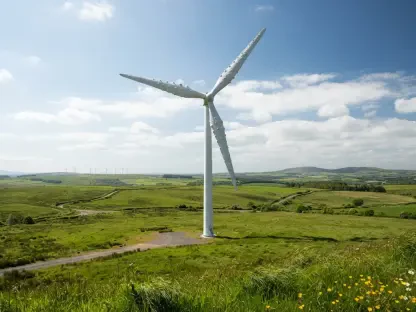
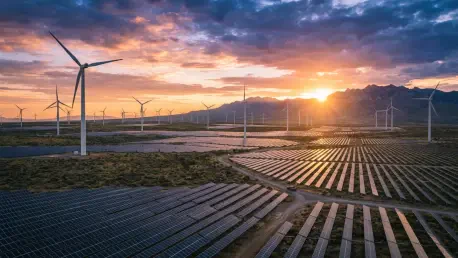
Electrification cannot succeed in a vacuum; its effectiveness is intrinsically tied to the carbon intensity of the power grid. If the surge in electricity demand is satisfied by activating coal-fired plants or expanding natural gas infrastructure, the environmental benefits of switching to electric vehicles or heat pumps are largely neutralized. Consequently, the 35% target must be pursued in lockstep with the aggressive decarbonization of the power sector, primarily through a massive expansion of wind and solar capacity. This clean electrification strategy ensures that every kilowatt-hour consumed contributes to a net reduction in atmospheric carbon. International agreements already call for a tripling of renewable energy capacity and a doubling of energy efficiency improvements by the middle of the next decade. These goals are not separate initiatives but essential components of a unified energy strategy where cleaner generation meets a more efficient and electrified demand side.
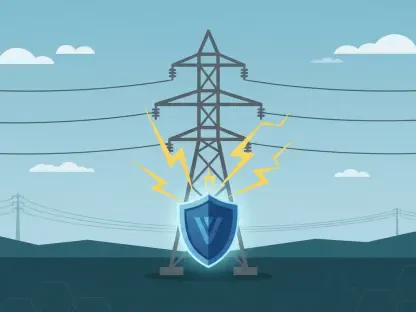
Moving from a symbolic aspiration to a substantive reality requires a sophisticated framework of benchmarks that translate global targets into localized actions. The report advocates for a multi-layered approach that includes economy-wide, sectoral, and technology-specific indicators. For example, while a national percentage provides a high-level goal, specific mandates for the installation of industrial heat pumps or the deployment of public charging networks provide the concrete roadmap needed by private investors and utility providers. Furthermore, enabling indicators must focus on the modernization of the electrical backbone, including the expansion of transmission lines, the integration of long-duration battery storage, and the implementation of smart-grid demand-response mechanisms. Without these structural upgrades, the existing grid infrastructure may struggle to accommodate the increased load, potentially slowing the transition or increasing costs for end-users.
Pursuing Global Equity and National Security
The transition to an electrified economy must be managed through a lens of equity and inclusivity to ensure long-term political and social stability. While electric technologies such as heat pumps and electric vehicles often offer lower lifetime costs due to higher efficiency and reduced maintenance, their high upfront purchase prices remain a significant barrier for many consumers. A just transition necessitates robust financial mechanisms, such as low-interest loans or targeted subsidies, to ensure that low-income households and developing nations are not left behind. Moreover, workforce planning is essential to transition workers from legacy fossil fuel industries into high-tech roles within the renewable and electric sectors. By providing the necessary training and job security, governments can turn potential economic disruption into an opportunity for widespread industrial growth. Ensuring that the benefits of electrification are distributed fairly across society is vital for the transition.
The analysis provided a comprehensive roadmap for achieving the 35% electrification target by 2035, emphasizing that the path forward required more than just technological adoption. It demonstrated that financial support mechanisms played a crucial role in overcoming the initial cost barriers that once hindered widespread public participation. Stakeholders observed that the successful transition depended on the immediate acceleration of grid modernization and the aggressive expansion of renewable energy capacity. To move forward, governments prioritized the creation of localized technology deployment indicators, such as mandatory installation quotas for industrial heat pumps and dedicated lanes for electric transit. These actions shifted the focus from broad national targets to concrete, neighborhood-level improvements that enhanced energy security. Ultimately, the report served as a foundational guide for nations to transition from symbolic commitments to substantive, actionable policies.