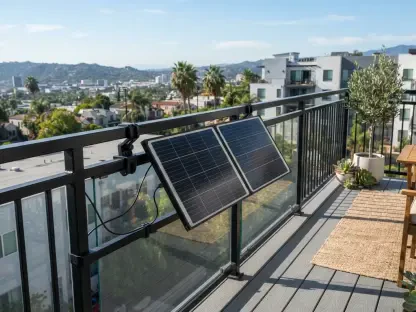

Regulatory shifts in Western Australia may soon legalize plug-in battery systems, allowing renters and apartment dwellers to connect solar storage directly to standard wall outlets. This significant policy shift coincides with a major federal push toward portable energy solutions, headlined by the Australian Renewable Energy Agency’s $6.77 million grant to Clutch Industries. The Melbourne-based firm is spearheading the development of the PowerNet, a modular system colloquially termed the electric jerry can. Unlike heavy, static home storage units, this mobile asset is designed to provide high-density energy that can be transported as easily as a traditional fuel container. The initiative represents a critical pivot in the national energy strategy, targeting a versatile middle ground between consumer-grade power banks and industrial-scale batteries. By prioritizing portability, the government is looking to democratize energy access across the residential, commercial, and recreational sectors at once.
Advanced Material Science: The Power of Semi-Solid Chemistry
The fundamental design of the PowerNet system focuses on balancing high energy capacity with the physical constraints of human portability. Each individual module consists of a 4kWh battery pack that weighs approximately 44 pounds, making it light enough for an adult to maneuver without specialized equipment. This specific weight-to-power ratio was engineered to ensure that the unit could be more than just a stationary backup; it was designed to be a tool for active use. In professional settings, this level of portability allows workers to transport significant power reserves to work sites where grid access is nonexistent or unreliable. The modular nature of the system means that while a single unit is highly capable on its own, it can also serve as a building block for larger energy arrays. This versatility addresses a specific market need for scalable power that does not require permanent installation, providing a flexible alternative for those in temporary or mobile environments.
Innovation in the PowerNet extends beyond its physical form and into the very chemistry of its cells, utilizing semi-solid-state battery technology. This advancement represents a significant departure from the liquid electrolytes commonly found in traditional lithium-ion batteries. By employing a semi-solid architecture, the system achieves a higher energy density, allowing for more storage capacity within a smaller and lighter footprint. Furthermore, this chemistry offers enhanced safety profiles, as the reduction of flammable liquid components minimizes the risk of thermal runaway. The longer lifecycle of these cells ensures that the investment remains viable over many years of heavy use, which is critical for both household and industrial applications. By adopting these advanced materials, the project moves away from commoditized technology and positions the Australian energy sector at the forefront of global battery innovation. This focus on cutting-edge material science is a key factor in ensuring the long-term reliability of the mobile power ecosystem.
Versatile Connectivity: Dual-Voltage Outputs and Solar Integration
The PowerNet’s technical versatility is further evidenced by its sophisticated dual-voltage output system, designed to accommodate a wide range of electrical requirements. It features a native 48-volt connection, which has become the industry standard for modern household inverters and high-torque electric motors. This makes the unit particularly suitable for integration into existing home solar arrays or for powering electric marine propulsion systems. In addition to this high-voltage capability, the battery also provides a 12-volt output, ensuring seamless compatibility with a vast ecosystem of automotive and outdoor accessories. This secondary output is essential for powering portable refrigerators, LED lighting, and communication devices commonly used in camping and off-road environments. By incorporating both standards into a single device, the system eliminates the need for bulky external transformers or multiple battery types. This engineering choice reflects a deep understanding of the diverse ways in which modern users interact with stored energy.
To maximize its utility in remote or off-grid locations, the system incorporates a built-in 500W Maximum Power Point Tracking solar controller. This integrated hardware allows users to connect standard solar panels directly to the battery, facilitating efficient charging without the need for additional, external solar regulators. The inclusion of an MPPT controller is a significant upgrade over traditional systems, as it actively optimizes the energy harvest from the sun, even in variable lighting conditions. This makes the PowerNet an ideal solution for outdoor enthusiasts, remote research stations, and mobile workers who require a reliable, self-sustaining power source far from the traditional grid. The ability to recharge directly from renewable sources transforms the unit into a truly autonomous energy hub. This feature not only reduces the complexity of setting up a portable power station but also encourages the wider adoption of solar technology by making it more accessible and user-friendly for those on the move.
Economic Transformation: Advanced Manufacturing in Melbourne
The federal investment through ARENA is a vital component of a larger $19.35 million initiative focused on establishing a state-of-the-art manufacturing facility in Coburg North. This Melbourne-based plant is designed to function as a highly automated production line, capable of scaling to meet the growing domestic and international demand for portable energy storage. By keeping the manufacturing process within Australia, the project ensures that the intellectual property and technical expertise surrounding semi-solid-state technology remain a national asset. The facility will manage the entire lifecycle of the PowerNet, from the initial assembly of advanced battery cells to the final stages of quality assurance and safety testing. This localized approach also allows for a more transparent and ethical supply chain, which is increasingly important in the global renewable energy market. Furthermore, the establishment of this plant serves as a catalyst for industrial revitalization, proving that the nation can thrive in high-tech manufacturing.
This strategic move into advanced manufacturing aligns with the broader $450 million Battery Breakthrough Initiative, a federal policy aimed at securing a dominant position in the global energy transition. Rather than continuing the historical trend of exporting raw lithium and minerals, the objective is to capture more value by producing high-tech, finished products domestically. This shift is expected to create at least 16 permanent, high-skilled positions in the immediate future, with the potential for hundreds more as the production capacity expands. The project fosters collaboration between industry leaders and academic institutions, creating a hub for research into next-generation battery architectures. By investing in the manufacturing infrastructure today, the government is laying the groundwork for a resilient economic future that is less dependent on volatile commodity prices. This transition toward being a producer of renewable technology, rather than just a supplier of raw materials, is a cornerstone of the national strategy for long-term economic growth.
Multi-Sector Utility: From Residential Stacks to Remote Use
One of the most compelling aspects of the PowerNet system is its modular “ecosystem” approach, which offers a level of flexibility that traditional stationary batteries cannot match. In a residential setting, multiple units can be stacked within a specialized cabinet to act as a comprehensive home energy storage system. This allows homeowners to store excess solar power during the day and use it to run the household at night, effectively lowering their electricity bills. However, the true innovation lies in the ability to detach a single module from the stack for mobile use. A user could theoretically unplug one unit from their home system and place it into a camper, boat, or recreational vehicle for a weekend trip. This eliminates the need for consumers to purchase separate, dedicated battery systems for different vehicles or purposes. By consolidating home and recreational power needs into one versatile platform, the system provides significant cost savings and convenience for the modern consumer.
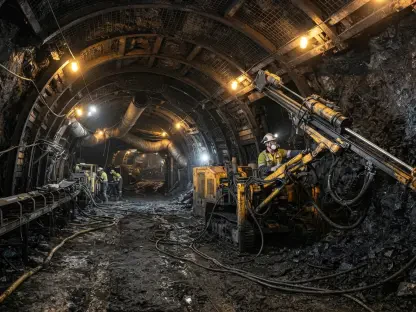
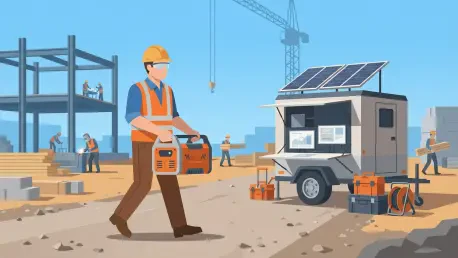
Beyond its domestic and recreational uses, the PowerNet provides a robust alternative to traditional energy sources in industrial and emergency scenarios. In sectors such as mining and construction, where power is often supplied by noisy and high-emission diesel generators, these portable units offer a silent, zero-emission solution. When paired with an optional mobile inverter case, the battery can provide standard 240V AC power, capable of running heavy-duty tools and professional equipment in the field. This capability is also invaluable during natural disasters or prolonged grid outages, where rapid deployment of power can be a matter of safety and survival. Emergency responders and families alike can rely on the unit to keep essential communication devices, medical equipment, and food storage running when the main power lines fail. The ability to deploy high-capacity energy quickly and efficiently makes the system a vital tool for community resilience. This versatility underscores the device’s role as a multifaceted asset in a changing climate.
Regulatory Evolution: The Future of Plug-In Energy Independence
While the technological foundations of the PowerNet are already in place, the path toward widespread adoption of plug-in battery systems faces a complex regulatory landscape. Currently, strict Australian safety standards prohibit the use of “plug-and-play” storage devices that connect directly into standard wall outlets, a practice that is already legal and popular in parts of Europe and North America. These restrictions have traditionally excluded renters and those living in multi-unit dwellings from fully participating in the solar energy revolution. However, the regulatory environment is beginning to evolve as federal and state energy ministers explore new pathways for Consumer Energy Resources. Western Australia has already initiated consultations to potentially legalize these systems, which would mark a major turning point for energy accessibility. The PowerNet is specifically designed to be forward-thinking in this context, adhering to all current safety codes while maintaining the capacity for future integration.
The implementation of this modular strategy established a new benchmark for how decentralized energy could be integrated into daily life. Stakeholders recognized that the transition to renewables required more than just large-scale wind farms; it needed accessible, consumer-level tools. These systems allowed for a significant reduction in reliance on fossil-fuel-based backup generators, particularly in the construction and maritime industries. The project successfully demonstrated that high-tech manufacturing could flourish within domestic borders when supported by targeted government investment. As the technology matured, it provided a clear pathway for further innovations in grid stability and personal energy management. Stakeholders observed that the shift toward portable, high-density storage addressed the immediate needs of a diverse population, from urban renters to remote workers. Ultimately, the focus on modularity and safety ensured that the energy transition remained inclusive, resilient, and economically beneficial for the entire nation.