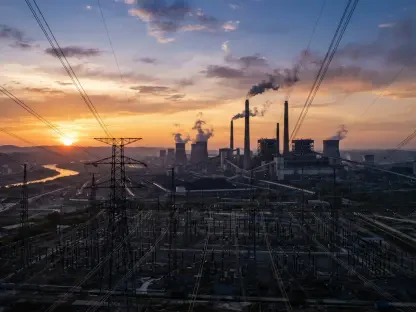

Domestic energy security hinges on the ability of the United States to fill a massive supply gap left by the global concentration of nuclear fuel in foreign state-owned enterprises. For several decades, the American nuclear industry experienced a steady decline in its enrichment capabilities, eventually reaching a point where domestic production accounted for less than one percent of the global market. This reliance on international suppliers, particularly those controlled by the Russian state, created a precarious situation for the nation’s energy grid and national security interests. However, the current landscape is undergoing a radical shift as policy makers and private enterprises align to decouple from foreign dependencies. This revitalization effort is not merely about returning to past levels of production but about establishing a sophisticated, resilient supply chain that can support a modern economy. By focusing on domestic sovereignty, the United States is working to ensure that the primary source of carbon-free baseload power remains shielded from geopolitical volatility.
Part 1: Building Domestic Capacity and Workforce Resilience
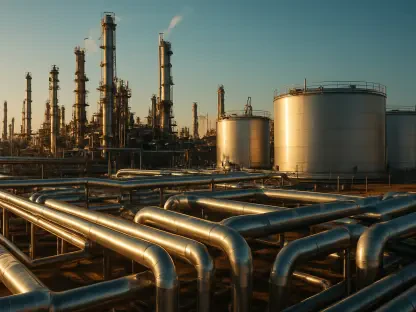
To address the immediate shortfall in low-enriched uranium, Urenco USA has spearheaded a massive expansion at its enrichment facility located in Eunice, New Mexico. This project involves the installation of millions of additional separative work units through advanced centrifuge technology, which is essential for meeting the fuel requirements of the existing fleet of American reactors. The expansion represents a multibillion-dollar commitment to domestic production, aiming to increase the facility’s output by roughly fifteen percent by the end of the 2026 to 2028 window. Beyond the physical hardware, these efforts signify a broader move toward industrial independence. By scaling up the Eunice plant, the industry is demonstrating that large-scale infrastructure projects can be executed successfully within the domestic regulatory framework. This growth is a critical component of a wider strategy to ensure that utilities have access to a reliable, cost-competitive source of fuel that does not carry the risk of sudden international supply disruptions.
While the physical construction of enrichment halls and the installation of centrifuges are moving forward, the industry faces a significant hurdle in the form of a tightening labor market. The specialized nature of nuclear enrichment requires a workforce with highly technical skills, ranging from advanced mechanical engineering to nuclear physics and cybersecurity. Currently, there is a fierce competition for talent as various sectors of the energy industry expand simultaneously. To mitigate this risk, companies are partnering with local community colleges and universities to create dedicated training pipelines for the next generation of nuclear technicians. These educational initiatives are vital because even the most advanced machinery cannot operate without skilled oversight. Furthermore, the industry must focus on retention strategies to keep experienced workers from migrating to other high-tech sectors like aerospace or semiconductor manufacturing. Addressing the human capital gap is just as essential as the physical expansion of production facilities, as a stable workforce is the backbone of any energy security plan.
Part 2: Advancing Specialized Fuel and Meeting Digital Demand
The strategic focus is also pivoting toward the production of High-Assay Low-Enriched Uranium, or HALEU, which is required by most of the advanced reactor designs currently in development. Centrus Energy is leading this shift at its facility in Ohio, while Global Laser Enrichment is revitalizing historical sites in Paducah, Kentucky. By commercializing laser-based isotope separation, these ventures offer the potential for higher efficiency and lower costs compared to traditional centrifuge methods. Utilizing existing infrastructure at federally owned sites allows these companies to reduce lead times and extract valuable isotopes from depleted uranium tails. This ability to repurpose material previously considered waste provides a steady source of feedstock and turns environmental liabilities into strategic resources. By establishing these capabilities domestically, the United States is positioning itself to lead the global transition to next-generation nuclear technology, ensuring that future reactors are powered by American-made fuel rather than international competitors.
The surge in energy demand from the digital sector finally solidified the business case for a robust domestic enrichment industry. As technology leaders sought reliable, carbon-free power for AI data centers, uranium production was prioritized as a core national infrastructure. To ensure this momentum continued, the federal government implemented multi-year purchasing guarantees that shielded domestic producers from market volatility. These agreements were fundamental in allowing companies to commit to long-term capital investments without the fear of sudden price crashes. Additionally, the industry worked to streamline the regulatory hurdles that had previously slowed the deployment of advanced centrifuge and laser technologies. Moving forward, a primary focus remained on maintaining a diverse supplier base to prevent any single entity from gaining a monopoly. By fostering a competitive environment and investing in technical training, the United States successfully laid the groundwork for a secure energy future that was no longer reliant on external geopolitical players.