


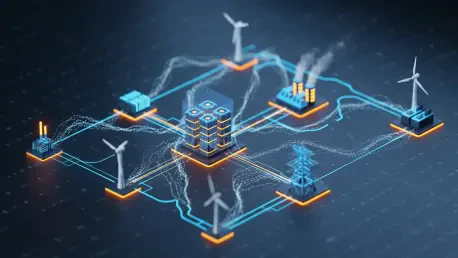

Navigating the Convergence of Infrastructure Decay and Surge in Demand
The continental power system is currently grappling with a precarious equilibrium where the steady decay of thermal generation facilities coincides with a vertical spike in industrial electricity consumption. Market data indicates a fundamental shift in the electrical ecosystem, characterized by heightened volatility that threatens the stability of the entire North American interconnection. This landscape is defined by the declining performance of legacy coal and gas units alongside the rapid expansion of high-load consumers. As grid operators manage this precarious environment, the focus shifts toward understanding the collision between deteriorating infrastructure and the digital economy.
Historical Context: The Evolution of North American Power Generation
For many decades, the foundation of the energy sector rested on large, centralized plants designed for consistent, baseload output. These facilities operated under steady-state conditions, maintaining constant levels of power for long periods. However, the modern energy transition has fundamentally altered this operational role, forcing traditional plants to adapt to a more dynamic market. Market fluctuations and the integration of intermittent renewables now require these aging units to ramp up and down frequently. This transition from steady operation to high-volatility cycling has placed immense mechanical strain on systems never intended for such use, leading to a noticeable decline in reliability.
The Mechanics of a Destabilizing Grid
The Degradation of Conventional Generation and the Toll of Operational Cycling
Conventional generation performance reached a concerning low recently, with coal and natural gas units experiencing a combined increase of nearly 60 TWh in unavailable energy. This decline is largely driven by the advanced age of the fleet, as many coal-fired units have exceeded 40 years of service. Consequently, forced outage rates have climbed to 9.2 percent, significantly exceeding the historical benchmark of 8 percent. Frequent cycling causes severe thermal and mechanical stress, resulting in leaks and premature equipment wear. As these reserves shrink, the margin for error during peak periods becomes dangerously thin.
The Data Center Boom and Its Impact on Transmission Stability
While generation capacity falters, the grid is also being squeezed by the expansion of large-scale loads from the data center industry. These facilities consume massive amounts of electricity and exhibit unique behaviors during system disturbances. Recent transmission faults triggered massive, customer-initiated load reductions from data centers in the Eastern Interconnection. These events highlight a gap in grid planning, as the industry does not yet fully understand how these large facilities respond to technical faults. This lack of predictability introduces risks to transmission stability, as unplanned drops in load can be as destabilizing as generation losses.
The Complexity of Integrating Inverter-Based Resources and Renewable Energy
As traditional plants retire, they are being replaced by a mix of natural gas and Inverter-Based Resources such as wind and solar. While these technologies are essential for decarbonization, they lack the physical momentum of traditional spinning turbines. This shift results in reduced system inertia, making the grid less resistant to sudden frequency changes. Furthermore, during periods of light load, these resources can cause rapidly changing power flow conditions. This transformation requires a complete overhaul of management techniques, as the grid moves toward software-defined power control systems.
Technological Shifts: Battery Storage and Modern Grid Innovations
The rise of Battery Energy Storage Systems represents a significant shift in grid management, with capacity growth matching the rapid pace of solar expansion. Despite high-profile technical failures in certain large-scale facilities, industry leaders maintain that battery technology is a net positive for grid health. Storage units provide a vital smoothing effect on load curves, which extends the lifespan of older generators by reducing the need for aggressive ramping. However, current battery technology is primarily designed for short-term frequency maintenance and cannot yet solve long-duration crises such as multi-day winter storms.
Strategic Recommendations for Enhancing Grid Resilience
Addressing these mounting pressures requires proactive strategies from grid planners and energy providers. Advanced modeling is necessary to study the behavior of large-scale loads, ensuring data centers integrate without compromising transmission integrity. Investments in grid-forming inverters could also help mitigate the loss of inertia caused by turbine retirements. For industrial consumers, implementing demand-response programs and on-site microgrids can alleviate pressure during peak periods. Maintaining a diverse energy mix that includes both short-duration storage and reliable, long-term firm capacity remains essential for navigating this transition safely.
Securing the Future of the Electric Interconnection
The challenges facing the modern grid were a byproduct of a system in transition, caught between the legacy of the past and the requirements of the future. The decline of aging power plants and the surge in data center demand represented a significant test of infrastructure resilience. While the integration of renewables and battery storage offered a path toward a cleaner grid, these technologies had to be managed with a deep understanding of their limitations. Ensuring long-term reliability required a combination of technological innovation and updated regulatory frameworks. Ultimately, the ability to balance these complex variables determined the stability of the power fueling the economy.







