
The Green Gold Rush: Transforming Industrial Waste into a High-Value Energy Asset to Redefine the Sugar Sector’s Profitability
Thetraditional sugar mill is undergoing a radical metamorphosis as industrial residue once considered a liability becomes the foundation of a sophisticated energy network. This shift signifies a profound transformation where environmental policy and industrial innovation converge, effectively turning sugar production centers into central hubs for renewable energy. By focusing on the conversion of organic waste into Compressed Biogas (CBG), the industry is moving toward a model that prioritizes the circular economy. This analysis examines the transition from mere waste disposal to high-value energy production, detailing the financial mechanisms, expert evaluations of policy efficacy, and the long-term outlook for this evolving sector.
The New Energy Frontier: Market Metrics and Strategic Implementation
Analyzing Growth Drivers and Economic Adoption Trends
The current scale of opportunity is largely dictated by a robust fiscal framework, notably the ₹500-crore provision allocated for the 2026-27 period to bolster green energy infrastructure. State mandates now require a minimum waste processing threshold of 20 tonnes per day to ensure that new projects achieve commercial viability and standardization. This metric serves as a benchmark for developers, ensuring that every facility maintains the operational scale necessary to support the national energy grid.
Furthermore, a comprehensive incentive structure has been implemented to reduce capital expenditure and invite investor confidence. Subsidies now reach up to ₹15 crore per project, supplemented by a 2.5% GST refund that triggers once production officially commences. These financial buffers, alongside favorable land lease rates, mitigate the inherent risks of large-scale industrial shifts, allowing mills to pivot toward energy production without compromising their core sucrose operations.
Case Studies in Sugar Sector Integration and Resource Management
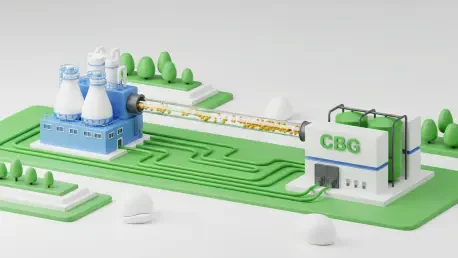
Innovation in resource management has allowed mills to diversify their raw material intake, effectively utilizing press mud, bagasse, and spent wash to fuel anaerobic digesters. This integration fosters a circular economy where the by-products of sugar refining are immediately recaptured as energy inputs. Smaller sugar mills have increasingly adopted cooperative infrastructure models, forming joint ventures to distribute the high costs of specialized purification and compression technology.
To maintain a steady output, supply chain security has become a primary focus for industrial planners. Long-term agreements between sugar factories, Farmer Producer Organizations (FPOs), and local market committees ensure a consistent feedstock of agricultural residue. This collaborative approach not only stabilizes gas production but also provides a predictable secondary income for the agricultural community, strengthening the link between industrial processors and raw material suppliers.
Expert Perspectives: Assessing Policy Efficacy and Industrial Viability
Regulatory streamlining has emerged as a critical factor in the rapid adoption of biogas technologies. The Indian Federation of Green Energy has emphasized the importance of granting these projects “priority infrastructure” status, which facilitates single-window clearances for environmental and utility permits. This reduction in bureaucratic friction is paired with market security measures, such as guaranteed purchase agreements with national oil companies, which provide a reliable off-take mechanism for the produced gas.
Operational accountability is maintained through strict mandates, such as the requirement for projects to commence within two years of land allotment. This prevents speculative land holding and ensures that capital is deployed toward active production. Moreover, experts highlight the potential for bio-fertilizers, a natural by-product of the digestion process, to serve as a lucrative secondary revenue stream. This monetization of every output reflects a move toward total resource optimization within the industrial sector.
Projecting the Future: Evolution of the Green Energy Grid
The localization of biogas projects within the sugar industry is expected to contribute significantly to broader national renewable energy targets. As technology in anaerobic digestion and gas purification continues to advance, the yield from agricultural residue will likely increase, further enhancing the efficiency of rural energy hubs. This evolution points toward a more resilient national grid that is less dependent on centralized fossil fuel sources and more integrated with decentralized agricultural clusters.
Economic implications extend far beyond the balance sheets of sugar mills, as the sector’s expansion creates specialized jobs and stimulates rural development. However, the path forward requires a focus on continuous technological upgrades and strict adherence to accountability measures to ensure long-term sustainability. Addressing the hurdles of infrastructure maintenance and technological obsolescence will be essential as the industry matures into its role as a primary energy provider.
Final Synthesis: The Strategic Value of Circular Economy Models
The synergy between financial subsidies, regulatory support, and waste-to-energy innovation established a new standard for industrial efficiency. The sugar sector successfully transitioned from a traditional commodity producer to a sophisticated energy provider by leveraging its existing waste streams. Stakeholders recognized that “priority infrastructure” status was not merely a label but a necessary tool for securing a sustainable and profitable future.
Future strategies focused on deeper integration with the national energy grid and the expansion of bio-fertilizer markets. The industry moved toward a model where total environmental compliance became a driver for economic growth rather than a burden. Decisions made during this period solidified the role of the sugar industry as a cornerstone of the green energy transition, ensuring that sustainability remained at the heart of industrial progress.