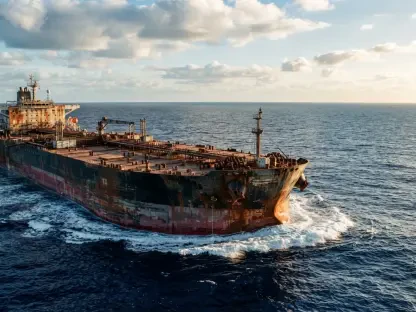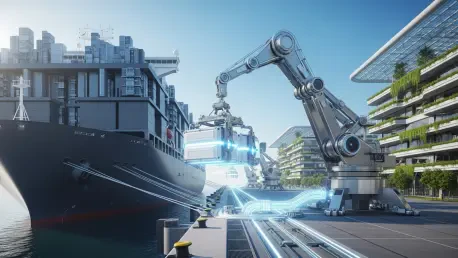

The vast network of European waterways currently carries the weight of global commerce at a steep environmental cost that impacts millions of lives along the coastline. Despite the maritime industry acting as a backbone for trade, its contribution to the European Union’s total carbon dioxide emissions remains a significant hurdle for climate neutrality. Currently, shipping activities account for approximately 3% of total EU carbon output, a figure that masks the localized intensity of pollution found in bustling harbor cities.
Beyond the climate-warming effects of carbon, the immediate health consequences of maritime operations are increasingly difficult to ignore. Large vessels, particularly ferries and cruise ships, release substantial quantities of sulfur oxides and nitrogen oxides during their stay in port. These pollutants settle over coastal communities and port workers, leading to respiratory issues and long-term health complications. While cargo vessels remain essential to the energy landscape, the infrastructure within major European port hubs has struggled to keep pace with the urgent need for cleaner power alternatives.
Navigating the Shift Toward Sustainable Maritime Logistics
Decarbonization Trends and the Rise of Clean Energy Hubs
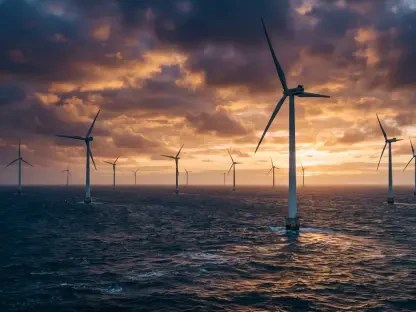
The transition from traditional heavy fuel oils to zero-emission vessel technologies represents a fundamental shift in how the continent handles logistics. Ports are no longer viewed merely as loading zones but are evolving into clean energy hubs that facilitate electrification and renewable fuel distribution. This transformation involves the adoption of high-capacity battery systems for short-sea shipping and the development of specialized berths capable of servicing a new generation of electric-powered ferries.
Moreover, the demand for green e-fuels and renewable hydrogen bunkering networks is rising as corporate entities seek to clean their supply chains. Corporate social responsibility and shifting consumer preferences are driving shipping lines to seek more than just efficiency; they are looking for verifiable sustainability. This market pull is encouraging port authorities to invest in versatile infrastructure that can support various types of clean propulsion, moving away from a one-size-fits-all fossil fuel approach.
Performance Indicators and Long-Term Emissions Projections
Current data indicates that maritime activities generated over 145 million tons of carbon dioxide, highlighting the scale of the decarbonization challenge. Without significant regulatory intervention, projections suggest that shipping could eventually represent one-third of all transport emissions by 2050. Such a trajectory threatens to undermine the progress made in other sectors, such as passenger vehicles and rail, where electrification is already more advanced.
However, the outlook for the electric vessel market remains optimistic if supported by the right policies. Forecasts indicate that renewable fuel infrastructure could see exponential growth as economies of scale reduce the cost of green hydrogen and ammonia. The focus is now on ensuring that performance indicators track not only total carbon reduction but also the reduction of dockside emissions that directly affect local air quality.
Identifying the Barriers to a Zero-Emission Maritime Future
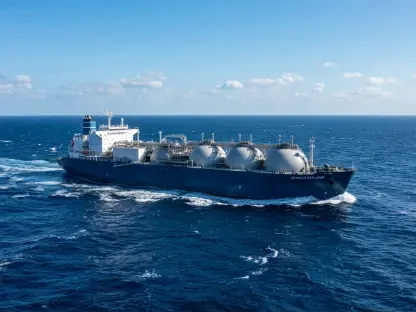
Technical hurdles remain a significant obstacle, particularly when it comes to retrofitting smaller vessels that were never designed for battery integration. While newer ships are built with green technology in mind, the existing fleet requires substantial investment to bridge the gap toward electrification. Furthermore, there is a lingering risk of fossil fuel lock-in due to continued investments in liquefied methane infrastructure, which may offer marginal improvements over heavy oils but ultimately delays the transition to truly zero-emission fuels.
The financial and logistical complexities of building a unified maritime network across the Trans-European Transport Network are equally daunting. There is a visible disconnect between the mandates currently placed on port infrastructure and the actual technical requirements of next-generation ships. Resolving this gap requires a synchronized effort where shipowners and port operators align their investment cycles to avoid redundant or incompatible hardware.
Modernizing European Frameworks Beyond Current AFIR Standards
The current Alternative Fuels Infrastructure Regulation serves as a foundation but lacks the depth required for a total sectoral overhaul. While it established binding frameworks for the first time, its scope is currently limited to the largest vessels, leaving a significant portion of the fleet without clear mandates for electrification. Expanding these requirements to include vessels between 400 and 5,000 gross tonnage would ensure that the majority of in-port pollution is addressed.
Standardizing compliance and security measures is another vital step in accelerating the adoption of battery-charging technology. Regulatory clarity defines who is responsible for the massive upfront costs of grid upgrades and shore-side power stations. By providing a stable legal environment, the EU can encourage private stakeholders to commit to long-term projects that transform how energy is delivered to ships at berth.
The Roadmap for a Sustainable and Competitive Shipping Network
The arrival of high-capacity battery systems and green e-fuels is expected to redefine global trade routes by rewarding ports that offer the cleanest services. Ports that move early to secure renewable energy supplies will likely gain a competitive advantage as shippers look to minimize their carbon taxes under the emissions trading system. This shift not only benefits the environment but also enhances regional energy security by reducing dependence on imported fossil fuels.
International shipping standards and global economic conditions will undoubtedly influence the pace of this transition. However, Europe has the opportunity to set a global benchmark by fostering innovation in autonomous, zero-emission logistics. As market disruptors introduce new business models, the focus will shift toward a fully integrated system where ships, ports, and inland transport work in a carbon-neutral loop.
Charting a Decisive Course for Europe’s Green Port Transformation
The analysis demonstrated that a comprehensive regulatory overhaul was the only viable path to aligning maritime trade with urgent climate objectives. Decision-makers recognized that prioritizing green hydrogen and e-fuel infrastructure over temporary gas solutions offered a more stable long-term investment. By expanding the reach of electrification mandates, authorities ensured that even smaller vessels contributed to the overall reduction of urban pollution.
Stakeholders ultimately moved toward a model that rewarded innovation and penalized stagnation in the transition to clean energy. The investment potential of a decarbonized shipping industry became clear as port cities reported improved public health outcomes and greater economic resilience. These steps established a roadmap for a future where European ports functioned as the primary catalysts for a sustainable global logistics network.