
Millions of residents living in New York City’s sprawling apartment complexes have historically been excluded from the renewable energy revolution that is currently transforming suburban landscapes across the United States. While homeowners have long utilized various tax incentives for rooftop solar, the vertical nature of urban living created an insurmountable barrier for those without property rights to their roofs. The Solar Up Now New York (SUNNY) Act represents a pivotal shift in this dynamic, offering a legislative solution that empowers renters to generate their own electricity from the very balconies that define the city’s skyline. This bill, currently awaiting a signature from Governor Kathy Hochul, is not merely a technical update but a move toward democratizing power generation. By addressing the logistical hurdles that once stifled innovation, the act sets the stage for a world where every sun-drenched window is a potential source of clean energy. This initiative addresses the long-standing energy equity gap in high-density areas by allowing for localized production.
Bridging the Renewable Energy Gap
Accessible Technology: Plug-and-Play Solar Kits
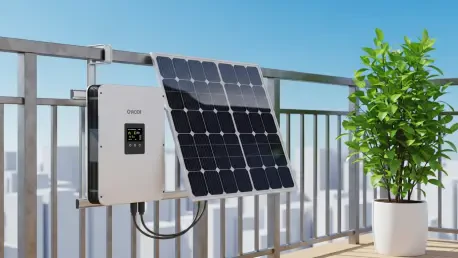
These plug-in solar kits are engineered for simplicity, featuring panels that mount to balconies and connect directly to standard 120-volt wall outlets without the need for a professional electrician. With a capacity limit of 1,200 watts, these systems remain compact enough for urban living yet provide sufficient power to run essential appliances like refrigerators and laptops throughout the day.
The “plug-and-play” nature of this technology removes the traditional financial and technical barriers that have kept green energy out of the hands of the average tenant. Because these units do not require permanent structural modifications, they offer a flexible solution that can be moved from one apartment to another. This accessibility ensures that the benefits of renewable energy are no longer reserved for those who own their homes. The ease of setup allows a standard user to become a producer of clean energy in less than an hour, significantly reducing the complexity of adoption.
Economic Impact: Financial Relief for Urban Households
For many New Yorkers, the primary appeal of the SUNNY Act is the immediate reduction in monthly utility bills, which have remained high despite various state-level energy initiatives. A typical balcony system can save a household nearly $300 a year, allowing the initial investment in the hardware to pay for itself in a relatively short period without the need for long-term financing.
Because this initiative requires no government funding or direct tax subsidies, it serves as a unique, budget-friendly tool for low-to-middle-income families looking to lower their cost of living. By leveraging private consumer spending rather than public debt, the state can achieve its renewable energy targets while providing direct economic relief to those who need it most. This market-driven approach fosters a sense of personal agency among residents who are often frustrated by rising costs. The financial independence gained through decentralized power generation is a key driver for the rapid adoption seen in early trials.
Policy Implications and Safety Standards
Political Climate: Cost-Effective Climate Solutions
Politically, the SUNNY Act arrived at a moment when state leaders were balancing aggressive climate mandates with voter concerns regarding the affordability of the green transition. While Governor Hochul recently adjusted the timelines for some large-scale climate projects due to cost concerns, balcony solar is viewed as a perfect fit for her current agenda because it saves money for residents without taxing the state budget.
Advocates have argued that this legislation provides a tangible way to support environmental goals without increasing the tax burden on residents or the state treasury. The bill’s ability to garner support across different political factions stems from its emphasis on individual choice and property rights within the rental market. Even major utility companies like Consolidated Edison have signaled their support, viewing the legislation as a safe and controlled way to integrate consumer-driven energy into the existing urban grid. This political consensus suggests that decentralized solar is becoming a cornerstone of the state’s long-term energy resilience strategy.
Safety and Regulation: Global Standards for Local Use
To ensure consumer safety, the legislation mandates that all equipment meets strict national testing standards, such as UL certification, to prevent electrical hazards in dense buildings. This move brings New York in line with international trends observed in countries like Germany, where millions of households have already successfully used similar kits to offset their energy needs.
By replacing cumbersome utility approval processes with a simple notification system, the act creates a clear and regulated pathway for decentralized energy production across the state. This regulatory streamlining is essential for maintaining public trust while encouraging the rapid deployment of new technologies. The focus on high safety standards ensures that the transition to balcony solar does not compromise the integrity of existing electrical infrastructure. As more residents adopt these systems, the state will continue to monitor performance data to refine these guidelines and support future innovation. This framework provides the necessary stability for both manufacturers and consumers.
Future Pathways for Decentralized Power Resilience
The successful implementation of the SUNNY Act proved that urban density was not a permanent obstacle to the widespread adoption of renewable energy technologies across the state. By legalizing balcony solar, New York established a scalable model that allowed millions of previously excluded residents to participate in the transition toward a cleaner and more efficient power grid.
Decision-makers focused on the next steps, which included the development of community-based battery storage systems that complemented individual solar generation to further enhance grid stability. Property owners and developers began to integrate solar-ready infrastructure into new construction projects, recognizing the high demand for energy-efficient rental units. This proactive approach ensured that the benefits of the legislation extended beyond individual savings to improve the overall resilience of the city’s electrical network. The state’s experience demonstrated that removing regulatory friction was as important as technological innovation in achieving long-term sustainability.