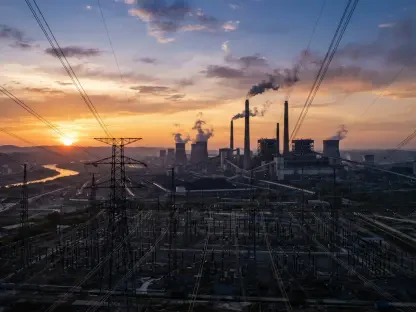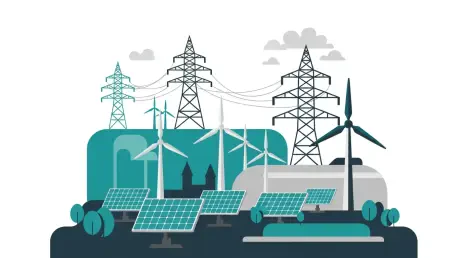

The rapid decommissioning of thermal assets alongside the surge in multi-gigawatt solar parks signals a profound shift in the world’s most populous nation. India is no longer just a participant in the global energy transition; it is becoming the primary engine for decentralized green power development. This structural change relies on a blend of aggressive state policy and a burgeoning private sector that prioritizes efficiency.
The Current Landscape of India’s Renewable Energy Revolution
India is aggressively pivoting from its historical coal dependency toward a diversified clean energy portfolio. This transition is not merely about environmental responsibility but also about achieving energy sovereignty. While coal still provides a baseload, the rapid expansion of solar and wind capacity is reshaping the national energy mix at an unprecedented pace.
State-backed giants like NTPC and ONGC are collaborating with private innovators such as Serentica and Sterling and Wilson to scale these efforts. A significant development is the deployment of “Round-the-Clock” (RTC) power models, which utilize grid-scale Battery Energy Storage Systems (BESS) to ensure a steady supply. This shift addresses the inherent variability of renewables, making green energy a viable replacement for traditional fossil fuels.
Emerging Trends and Quantitative Growth Projections
Technological Convergence and Consumer Shifts
The industry is moving away from standalone solar or wind projects toward integrated wind-solar hybrid plants. These hybrids offer a more balanced generation profile, which is particularly attractive to high-demand industrial consumers. Large-scale decarbonization efforts by these corporations are driving a surge in private power purchase agreements, further accelerating the adoption of clean technology.
Recent milestones, such as the 180 MW/360 MWh storage project in Gujarat, provide a blueprint for future grid stability. These systems demonstrate that managing intermittency is no longer a theoretical challenge but a solvable engineering problem. As storage costs continue to decline, the integration of BESS into the national grid will become the standard for all new infrastructure developments.
Market Data and Forward-Looking Performance Indicators
India has solidified its position as the second-largest wind market outside of mainland China, surpassing several Western economies in total installed capacity. This growth is bolstered by significant foreign investment, such as the recent entry of Ingka Investments into the Rajasthan market. Such capital inflows suggest that the international community views the Indian renewable sector as a high-yield, low-risk environment.
Projections indicate that the nation is on a steady trajectory toward its 500 GW non-fossil fuel energy target by 2030. Between 2026 and 2030, the focus will likely shift toward maximizing the efficiency of existing installations while rapidly commissioning new offshore wind projects. The sheer scale of these projects is expected to drive down competitive bidding tariffs even further.
Navigating Structural Obstacles and Technical Complexities
Despite the momentum, integrating variable renewable energy into a legacy grid presents physical limitations. Advanced storage solutions are essential, but the infrastructure for wide-scale distribution still requires significant modernization. Overcoming these grid bottlenecks is critical to prevent energy wastage during peak production periods.
Supply chain vulnerabilities also persist, particularly the reliance on imported components for lithium-ion batteries and high-efficiency solar panels. Furthermore, acquiring large tracts of land for renewable energy parks often involves complex logistical and social hurdles. Resolving these issues requires a delicate balance between rapid industrial expansion and the rights of local communities.
The Regulatory Framework and Policy Catalyst
The Solar Energy Corporation of India (SECI) remains the primary catalyst for growth by managing competitive bidding processes that ensure market transparency. Collaborative efforts, such as the NTPC-ONGC partnership through Ayana Renewable, strengthen energy security by pooling resources and expertise. These strategic alliances allow for the execution of projects that would be too capital-intensive for a single entity.
Incentive programs, specifically the Production Linked Incentive (PLI) scheme, are designed to foster a domestic manufacturing ecosystem. By encouraging the local production of green technology, the government aims to reduce the trade deficit associated with importing hardware. Aligning national policy with international carbon standards also ensures that India remains a competitive player in the global green economy.
Future Outlook: India’s Path to Global Energy Leadership
India is positioned to evolve from a regional player into a global hub for low-cost green hydrogen and hardware manufacturing. The next phase of innovation will likely involve long-duration energy storage and the commercialization of offshore wind assets. These technologies will be vital for maintaining the momentum of the energy transition through the end of the decade.
This shift in energy dynamics will fundamentally reshape India’s trade balance and geopolitical influence. By reducing its reliance on imported oil and gas, the nation can redirect capital toward domestic infrastructure and social development. Investor sentiment is expected to remain bullish as renewable assets transition from experimental ventures into mainstream financial instruments.
Conclusion: Assessing India’s Trajectory Toward Superpower Status
The synthesis of massive capital investment and robust policy frameworks successfully created a resilient energy ecosystem. Stakeholders prioritized grid modernization and domestic manufacturing to secure a dominant position in the global market. The transition from fossil fuel dependency to a diversified green portfolio proved to be both technically feasible and economically rewarding.
Future efforts should focus on de-risking the supply chain for critical minerals and expanding the reach of green hydrogen. Sustaining this leadership required a continued commitment to transparent bidding processes and the rapid adoption of emerging storage technologies. India’s trajectory established a new global standard for how a developing economy could lead the transition to a sustainable future.