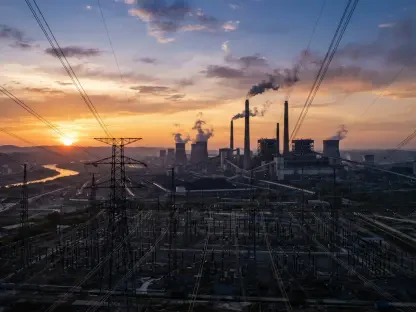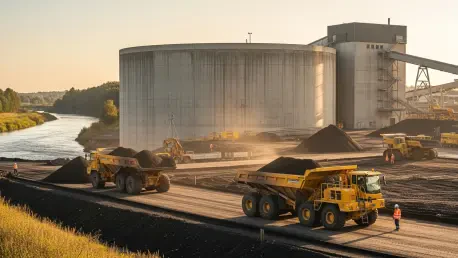

The massive volume of coal ash generated annually remains a silent but persistent shadow cast by the nations reliance on traditional fossil fuel power plants for electricity. As the second largest industrial waste stream in the United States, this byproduct presents a logistical challenge that rivals the complexity of the power grid itself. Major utilities and infrastructure firms now manage billions of tons of this toxic residue, which is often stored in massive impoundments or landfills located near major waterways. The sheer scale of this waste necessitates a sophisticated network of transport and containment systems, making it a central pillar of industrial operations.
The tension between maintaining a reliable, low cost energy supply and adhering to modern industrial standards has reached a critical juncture. While coal-fired generation continues to provide a baseline for the national energy mix, the burden of managing its leftovers creates a significant economic drag. Market players are currently forced to balance the operational necessity of coal power with the growing pressure to modernize waste infrastructure. This struggle defines the modern energy landscape, where the convenience of traditional fuels meets the harsh reality of their physical legacy.
Shifting Currents: Market Trends and the Economic Forecast for Coal Ash
Technological Innovation and the Push for Industrial Reuse
Modern industrial strategies are increasingly looking toward recycling coal ash as a viable method to offset the soaring costs of traditional disposal. By integrating ash into concrete, bricks, and road embankments, companies are attempting to turn a hazardous liability into a functional asset. This shift aligns with broader corporate efforts to adopt circular economy models, where waste from one process becomes the raw material for another. Such initiatives not only reduce the physical footprint of storage ponds but also provide a cheaper alternative for the construction sector.
The implementation of these recycling programs often relies on the principle of cooperative federalism, where state authorities take the lead in managing industrial autonomy. This approach allows for localized solutions that account for specific regional economic needs and geological conditions. However, the success of these programs depends heavily on the consistency of material quality and the willingness of the market to embrace byproduct-based materials. As industry standards evolve, the push for beneficial reuse remains a key strategy for mitigating the long term costs associated with coal combustion residuals.
Economic Projections and the Performance of the Energy Sector
Under a regulatory framework centered on the pursuit of energy dominance, the coal industry is seeing a renewed focus on long term growth. The reduction of compliance burdens is intended to provide utilities with the financial flexibility needed to maintain aging plants and invest in domestic energy independence. Financial analysts are closely watching how these shifts impact utility stock performance, especially as the costs associated with groundwater monitoring and site remediation are potentially deferred or minimized.
Forecasting the lifespan of coal-fired facilities has become a complex exercise in balancing market demand with shifting policy priorities. While cheap electricity remains a primary goal, the hidden costs of managing legacy waste continue to influence the bottom line. Investors are weighing the benefits of short term regulatory relief against the potential for future liabilities. The overall trajectory of the sector suggests a period of stabilization, provided that the industrial output can be sustained without triggering prohibitive environmental setbacks.
Navigating the Sludge: Technological and Environmental Obstacles to Safe Disposal
Preventing heavy metals like arsenic, mercury, and lead from leaching into local aquifers remains one of the most daunting technical hurdles for the industry. Many existing storage sites were constructed before modern lining technologies became standard, leaving watersheds vulnerable to slow but steady contamination. Engineering firms are tasked with developing more robust containment systems, yet the physical reality of liquid waste in unlined pits often defies simple solutions. This technical struggle is a primary point of friction between operational efficiency and environmental safety.
Aging impoundment dikes present a significant structural risk, as evidenced by catastrophic failures in the past that caused widespread ecological damage. The legacy of these spills serves as a reminder of the high stakes involved in waste management. Maintaining these massive structures requires constant investment and oversight, yet there is an inherent conflict between minimizing operational expenses and ensuring the absolute safety of nearby communities. As storage facilities reach their physical limits, the search for new disposal methods becomes an urgent industrial priority.
The Pendulum of Oversight: Evolving Federal Standards and Regulatory Rollbacks
The recent pivot in federal oversight has introduced significant revisions to how groundwater is monitored and how utility sites are cleaned. New proposals seek to narrow the scope of cleanup mandates, focusing on specific dumping areas rather than requiring a comprehensive overhaul of entire industrial properties. This strategy is framed as a way to provide regulatory relief, allowing companies to focus resources on energy production rather than exhaustive environmental restoration. The shift represents a clear departure from previous mandates that sought to close exemptions for older, inactive sites.
Legal challenges to these rollbacks are already mounting, led by organizations such as the Southern Environmental Law Center. These stakeholders argue that relaxing protections for legacy sites ignores the ongoing risks to public health and water quality. The debate often centers on the interpretation of existing laws and the extent of federal authority in setting safety benchmarks. This legal tug-of-war creates a climate of uncertainty for utilities, as the requirements for long term waste management continue to fluctuate with each political cycle.
The Horizon of Energy Dominance: Innovation, Risk, and Global Competition
In the pursuit of absolute domestic energy independence, coal is being repositioned as a strategic asset that ensures a reliable power supply. The survival of this fossil fuel infrastructure is closely tied to global economic conditions and the relentless demand for inexpensive electricity. To bridge the gap between industrial necessity and environmental preservation, the sector is looking toward disruptive technologies in waste mitigation. These innovations aim to reduce the toxicity of coal ash at the source, potentially easing the burden of long term storage and monitoring.
Balancing the drive for industrial innovation with the public demand for environmental transparency remains a defining challenge for the coming years. While the goal of energy dominance provides a clear economic direction, it also requires a realistic assessment of the risks involved. The ability of the industry to adapt to these pressures will determine its role in a global market that increasingly values sustainability alongside reliability. Success on this front will require a delicate navigation of both technological limits and societal expectations regarding clean water.
Weighing the Externalities: Final Perspectives on Industrial Growth vs. Public Health
The evaluation of energy dominance revealed a fundamental tension between the immediate benefits of industrial flexibility and the enduring risks of toxic byproduct accumulation. Policymakers and industry leaders recognized that while reducing regulatory burdens supported the longevity of coal-fired plants, it simultaneously placed a heavier burden on the safety of local water supplies. The economic advantages of lower compliance costs were balanced against the long term costs of potential environmental remediation. This trade-off highlighted the necessity of finding a middle ground that supported growth without sacrificing the health of frontline communities.
Future strategies for coal ash management focused on the integration of more advanced recycling techniques and the implementation of targeted safety protocols. It became clear that sustainable energy dominance required a commitment to innovation that extended beyond electricity generation to the very end of the waste stream. Investors were advised to prioritize utilities that demonstrated a proactive approach to waste mitigation and transparent monitoring practices. Ultimately, the industry moved toward a model where economic strength and environmental responsibility were no longer viewed as mutually exclusive goals.