
South Korea stands at a critical juncture where the dense concentration of high-tech manufacturing facilities requires a massive, unwavering supply of carbon-free electricity to sustain global competitiveness. As a prominent global economy, the nation faces the unique geographical constraint of being an energy island, disconnected from neighboring power grids, which forces a self-reliant approach to energy security. The push toward the mid-century goal necessitates a radical transformation of the existing coal-dependent infrastructure into a sophisticated mix of advanced nuclear and renewable sources. This transition is not merely an environmental mandate but a fundamental survival strategy for industrial conglomerates that are increasingly pressured by global supply chain requirements to adopt carbon-neutral power solutions. The complexity of this task involves balancing high baseload demand with the intermittent nature of green energy while maintaining the stable pricing needed for heavy industry. Strategic investments in domestic technology and infrastructure will determine if the nation can remain a leader in the semiconductor and battery sectors through the next decade.
Integrating Advanced Nuclear Solutions into the National Grid
Expansion of Large-Scale Reactor Infrastructure
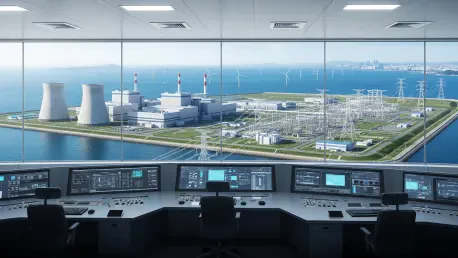
The foundational pillar of the national energy strategy resides in the continued deployment and refinement of the APR1400 pressurized water reactor technology, which has already demonstrated its reliability through domestic operations and international exports. By optimizing the construction timelines of the Shin Hanul units, the government aims to establish a steady baseload that offsets the decommissioning of older fossil fuel plants. These large-scale facilities provide the high-voltage consistency necessary for the intensive manufacturing processes found in the semiconductor clusters of Gyeonggi Province. Moreover, the integration of digital twin technology into reactor management allows for predictive maintenance, reducing downtime and enhancing safety protocols. As the industry looks toward the coming years, the focus shifts to the APR+ design, which offers improved passive safety features and higher thermal efficiency. This localized production of heavy equipment ensures that the supply chain remains resilient against global geopolitical shifts.
Strategic Deployment of Small Modular Reactors
Small Modular Reactors (SMRs) are emerging as a transformative solution for localized power generation, specifically designed to meet the demands of remote industrial complexes and specialized hydrogen production facilities. Unlike traditional large-scale plants, these compact units can be deployed in clusters, providing a scalable energy source that matches the specific growth trajectories of emerging industrial zones. Investment is currently heavy in the development of the innovative i-SMR, which integrates advanced safety systems that allow for closer proximity to urban and industrial centers. This decentralized approach reduces the strain on the national grid and provides a reliable source of process heat for chemical manufacturing and desalinization. The versatility of SMRs makes them ideal for replacing aging coal-fired boilers in existing industrial parks, effectively repowering brownfield sites with clean energy. This shift enables companies to reduce their scope emissions without the need for massive land acquisition or the grid-stability issues of wind power.
Diversifying the Energy Portfolio with Green Initiatives
Harnessing Offshore Wind and Grid Modernization
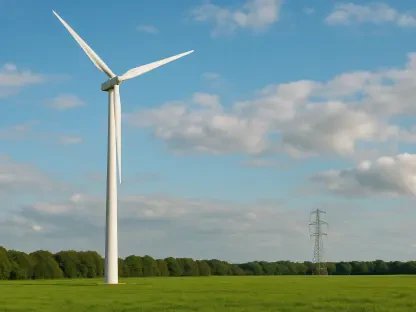
The coastal geography of the Korean Peninsula provides a significant opportunity for the development of large-scale offshore wind farms, particularly in the waters off Ulsan and Jeonnam. These projects are essential for diversifying the energy mix and reducing the carbon intensity of the southern industrial corridors. Floating offshore wind technology is being prioritized to overcome the challenges of deep coastal waters, allowing for the installation of larger turbines that capture more consistent and powerful wind currents. To integrate this intermittent power effectively, a massive upgrade of the national grid is underway, utilizing high-voltage direct current (HVDC) technology to transport electricity from the windy coastlines to the power-hungry metropolitan areas. This modernization includes the implementation of smart grid systems that use artificial intelligence to balance supply and demand in real-time. By connecting offshore wind resources with battery energy storage, the grid maintains stability during periods of low activity.
Advancing the Hydrogen Economy and Carbon Management
Hydrogen is poised to become a vital energy carrier for hard-to-abate sectors, such as steel production and heavy-duty logistics, where electrification is not yet a viable option. The national strategy focuses on the creation of a hydrogen ecosystem that encompasses production, storage, and distribution through a network of specialized pipelines and fueling stations. To ensure that this hydrogen is low-carbon, the focus is shifting from gray hydrogen derived from natural gas to blue hydrogen paired with carbon capture and storage (CCS) and pink hydrogen produced via nuclear energy. This multi-colored approach allows for a rapid scaling of the hydrogen supply while the infrastructure for green hydrogen produced via electrolysis matures. Large-scale CCS projects are being developed to sequester carbon dioxide in depleted undersea gas fields, effectively neutralizing the emissions from industrial processes. This bridge is essential for maintaining the viability of traditional industries as they transition toward a carbon-neutral model.
Strategic Trajectories for Industrial Energy Resilience
The successful navigation of the energy transition toward the end of the next decade required a disciplined adherence to a technology-neutral policy that prioritized reliability and economic feasibility. South Korea moved beyond the debate between nuclear and renewables, instead fostering a symbiotic relationship where each source compensated for the inherent weaknesses of the other. The government and private sectors collaborated to establish a world-class supply chain for SMRs and offshore wind, ensuring that the necessary hardware was produced domestically to minimize costs and maximize security. Future considerations were focused on the digitalization of the entire energy value chain, from automated nuclear operations to AI-driven grid management, to maintain an edge in an increasingly competitive global market. Policymakers also prioritized the development of international energy partnerships that secured the raw materials needed for battery and hydrogen technologies. The lessons learned during this period of rapid transformation demonstrated that industrial strength and environmental stewardship could coexist.