
The persistent inability of national policy to address environmental shifts often stems from a communication gap that prioritizes abstract global metrics over the immediate realities of the average citizen. While scientific data regarding atmospheric changes has never been more precise or accessible, the way these findings are translated into public discourse frequently fails to resonate with those outside of specific ideological circles. Instead of viewing environmental stewardship as a matter of universal well-being, much of the American public perceives it through the lens of political identity or impending economic loss. This disconnect creates a gridlock where necessary infrastructure upgrades are stalled by debates over personal sacrifice rather than being championed as essential advancements for national prosperity. By shifting the conversation away from distant, catastrophic predictions and toward the tangible benefits of a modernized economy, the narrative can move from one of restriction to one of significant opportunity for everyone.
Transforming Global Crisis: The Shift to Personal Health Priorities
A health-first strategy fundamentally alters the environmental equation by replacing long-term, abstract threats with immediate concerns that every parent or individual inherently understands. For many years, the primary warnings focused on melting ice caps or rising sea levels projected for several decades in the future, which often felt detached from the daily struggles of those living in landlocked or economically stressed regions. However, the immediate health implications of deteriorating air quality from seasonal wildfires or the physical strain of intensified heat waves on vulnerable populations provide a much more compelling reason for civic engagement. When the issue is framed as a matter of pediatric respiratory health or the safety of elderly neighbors during extreme weather events, the ideological barriers that typically hinder climate discussions begin to dissolve. This physiological approach bypasses the partisan fatigue associated with standard environmental messaging by grounding the necessity for change in the most basic human instinct for survival.
Prioritizing wellness also allows for a more constructive dialogue regarding the specific technologies and policies required to ensure a cleaner living environment without demanding a lower standard of living. By highlighting the direct correlation between reduced industrial emissions and lower rates of asthma or cardiovascular disease in local communities, policymakers can build a broad coalition that values air quality as a public utility. This transition requires a departure from the traditional rhetoric of “doing with less” and instead focuses on the “doing better” aspect of technological advancement. Modern filtration systems, electrified public transit, and the phased reduction of heavy particulate pollutants are no longer seen as burdensome regulations but as essential components of a modern healthcare strategy. This shift in perspective ensures that the drive toward a more sustainable society is fueled by a desire for improved quality of life and longevity, making it much harder for critics to dismiss these initiatives as mere political posturing or fringe ideological pursuits.
Driving Innovation: Energy Security and Grid Modernization
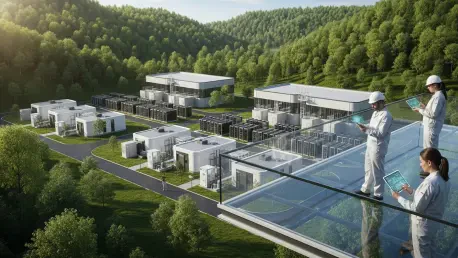
The surge in energy demand driven by the rapid expansion of artificial intelligence and massive data center infrastructure provides a unique catalyst for upgrading the national power grid. In the current landscape starting from 2026, the necessity for a reliable and high-capacity electrical network has become a matter of national security and economic competitiveness rather than just an environmental preference. Integrating advanced nuclear technology, such as small modular reactors, offers a path toward constant, carbon-free baseload power that can meet the rigorous requirements of the modern tech industry. This approach rebrands the transition to cleaner energy as a mission to maintain American technological dominance and ensure that the digital economy remains robust against outages or price volatility. By focusing on the infrastructure needed to support the tools of the future, the conversation moves away from the perceived costs of decommissioning old systems and toward the immense benefits of building a resilient, high-tech energy foundation.
Economic growth and environmental sustainability are increasingly viewed as two sides of the same coin when the focus remains on innovation and market leadership. The development of next-generation battery storage and long-distance high-voltage transmission lines represents a significant industrial opportunity that attracts private investment and creates high-skilled jobs across diverse geographical regions. This momentum is further sustained by the realization that a decentralized and modernized grid is less susceptible to large-scale disruptions, whether they are caused by physical weather events or cyberattacks on centralized utilities. As the United States moves forward from 2026 to 2030, the emphasis on energy independence and the domestic production of critical technologies will continue to unify disparate political factions. Promoting these advancements as essential for a secure and prosperous nation allows for the implementation of comprehensive energy policies that are durable enough to survive shifts in federal leadership.
Establishing a Resilient Framework: Lessons for Future Progress
The transition toward a health-centric and innovation-led environmental strategy successfully bypassed many of the partisan roadblocks that previously hindered national progress. By decoupling ecological objectives from polarizing political identities, stakeholders established a more inclusive dialogue that emphasized the universal values of physical well-being and economic reliability. This shift allowed for the implementation of bipartisan initiatives that focused on strengthening the national grid and improving public health outcomes through technological excellence. The focus on immediate, tangible benefits ensured that communities across the country remained invested in the success of these programs, regardless of the fluctuating political climate in the capital. Actionable steps taken during this period included the rapid deployment of localized energy solutions and the integration of health metrics into urban planning, which provided a clear roadmap for other nations to follow. This approach demonstrated that when environmental goals were aligned with the fundamental needs of the citizenry, the resulting consensus was both durable and effective.
Looking beyond the immediate horizon, the integration of health data and energy policy created a self-reinforcing cycle of improvement that enhanced both the economy and the environment. Decision-makers recognized that the most effective way to maintain this momentum was to continue investing in the research and development of clean technologies that offered clear, non-political advantages. The emphasis remained on ensuring that every technological leap forward contributed directly to a more secure and healthier way of life for all citizens. By prioritizing the human element and the necessity of a resilient infrastructure, the national strategy moved from a defensive posture to a proactive mission of excellence. This period proved that the key to breaking a long-standing stalemate was not found in more aggressive rhetoric, but in a renewed commitment to the core interests of health, security, and prosperity. The lessons learned during this era of transformation provided a blueprint for future governance, ensuring that the progress made would be sustained through a shared vision of a thriving and robust national landscape.