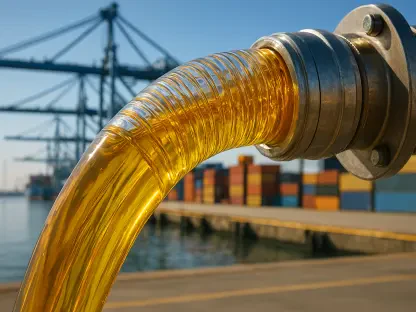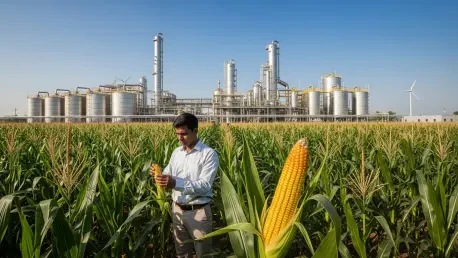

A vibrant golden wave of maize is currently sweeping across the Indian landscape, fundamentally altering the nation’s energy trajectory and agricultural priorities. This versatile grain has transformed into a vital fuel source supporting ambitious national blending targets. It provides a reliable alternative to traditional feedstocks, ensuring the energy sector remains shielded from seasonal agricultural fluctuations.
The Strategic Shift Toward Maize in India’s Biofuel Ecosystem
The biofuel sector is pivoting toward a grain-based model to address the inherent seasonal limitations of sugarcane. This transition ensures a consistent, year-round supply of ethanol to meet growing demand. Moreover, maize effectively mitigates feedstock volatility, keeping distillery outputs robust during periods when sugar harvest cycles are underperforming or restricted.
Background: The Evolution of National Energy Security and Biofuel Goals
India continues to address high crude oil costs and the urgent need for decarbonization through aggressive energy policies. The Ethanol Blending Program has become a central pillar of national independence. Diversifying into maize strengthens agricultural stability while simultaneously fulfilling global climate commitments and reducing the heavy reliance on imported fossil fuels.
Research Methodology, Findings, and Implications
Methodology
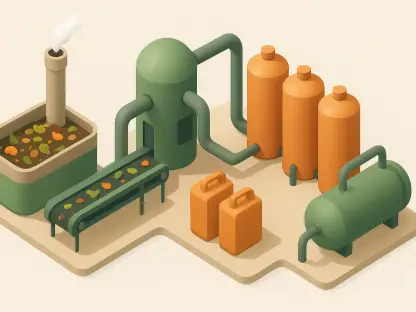
Researchers tracked production volumes across numerous facilities to analyze the recent shift in feedstock composition. This study compared grain-based outputs against traditional sugarcane units during the current supply period. The analysis prioritized logistical efficiency and the specific environmental footprint associated with industrial maize processing.
Findings
The sector successfully supplied 515 crore liters of ethanol, meeting nearly half of the annual contracted volume. Grain-based distilleries provided 333 crore liters of this total, with maize emerging as the dominant contributor. This crop demonstrated a lower water footprint and superior logistical resilience compared to conventional sugarcane-based methods.
Implications
Rising industrial demand is revitalizing rural economies by attracting significant investment in new processing infrastructure. This shift promotes climate-resilient farming by encouraging crops that require fewer resources. Furthermore, improved blending efficiency significantly reduces fossil fuel emissions across the domestic transportation sector.
Reflection and Future Directions
Reflection
Collaborative efforts between government agencies and industry stakeholders facilitated this production milestone. However, rapid growth revealed underlying gaps in regional storage capacity and feedstock price stability. Strengthening these logistical frameworks is necessary to maintain current production momentum and ensure long-term sector health.
Future Directions
Stable government policies are required to ensure long-term investor confidence in grain-based ethanol. Future research should focus on enhancing crop yields and optimizing industrial recovery techniques. Additionally, developing localized supply chains will further reduce the total carbon footprint of ethanol transportation across the country.
Conclusion: Pioneering a Sustainable and Resilient Biofuel Future
The integration of maize paved the way for a more self-reliant energy landscape. This diversification reduced oil dependency and supported rural livelihoods through industrial innovation. India’s model established a global blueprint for sustainable agricultural and energy integration.