
From Landfills to Logistics: The Dawn of a Green Transit Era in Lagos
Lagos is currently processing over 13,000 metric tonnes of waste daily, creating a massive opportunity to fuel the transit needs of its twenty million residents through renewable energy. This shift represents more than just a waste management solution; it serves as a foundational pillar for a modern, resilient urban ecosystem. By converting mountains of refuse into usable energy, the city is addressing two crises—pollution and transport costs—simultaneously.
Strategic planners argue that the current momentum toward waste-to-energy is essential for decoupling economic growth from environmental degradation. As the city expands, the pressure on traditional fuel sources becomes unsustainable, making the move to indigenous power sources a matter of survival. This transition signals a new chapter where environmental health and logistical efficiency are no longer viewed as competing interests.
Scaling the Circular Economy: How Organic Waste Fuels Urban Mobility
Tapping the 13,000-Tonne Goldmine: The Biogas and Biomethane Imperative
Experts highlight that nearly half of the city’s daily waste consists of organic materials, a significant portion of which can be transformed into high-quality biomethane. A dedicated technical committee is currently overseeing the commercialization of these gases to replace imported diesel. This shift toward domestic production could potentially stabilize energy prices while drastically reducing the carbon footprint of heavy-duty vehicles.
However, scaling this process requires sophisticated infrastructure to capture and refine methane at existing landfills. While some critics point to the high initial costs of technology, the long-term benefits of a self-sustaining fuel supply often outweigh these concerns. Success depends on the ability to turn a public nuisance into a reliable industrial asset through consistent processing and quality control.
Beyond Diesel: The Economic Edge of Domestically Produced Biofuels
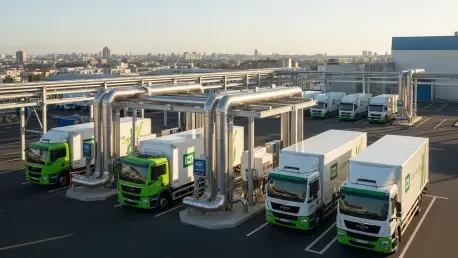
The financial implications of switching to biofuels are profound, especially as traditional fuel prices fluctuate on the global market. Industry leaders note that domestically produced biogas offers a much-needed hedge against inflation, providing a cheaper alternative for the massive fleet of logistics trucks. By utilizing what was once discarded, the state creates a circular economy that keeps capital within the local market rather than exporting it for energy imports.
Furthermore, the transition supports job creation in the green sector, from waste collection to high-tech refinery operations. This economic synergy ensures that the benefits of green transit extend beyond the bus terminals and into the pockets of the local workforce. Transitioning to these fuels is viewed not just as an ecological move, but as a robust strategy for fiscal stability.
A Multimodal Shift: Synchronizing CNG, Electric Rail, and Water Transport
Integrating various energy sources is the next logical step, with over 150 buses already operating on compressed natural gas to save nearly half of previous fuel expenditures. This progress is mirrored in the maritime sector, where eco-friendly innovations are transforming how commuters navigate the city’s waterways. A multi-pronged approach ensures that if one energy source faces a supply bottleneck, others can maintain the city’s movement.
The rail network adds another layer of complexity and efficiency, with a planned seven-line electric system intended to connect the furthest reaches of the megacity. This synchronized network reduces total road congestion and lowers overall urban emissions. It demonstrates a sophisticated understanding of urban dynamics where various modes of transport complement one another rather than competing for the same resources.
The Governance of Innovation: Evaluating the THEMES+ Agenda and Private Partnerships
Effective governance is the catalyst for these technological advancements, particularly through the THEMES+ agenda which prioritizes traffic management and environmental health. Private partnerships, such as collaborations with major banking institutions, have introduced thousands of new trucks to replace aging vehicles. These alliances are critical for securing the capital and technical expertise needed for such a massive overhaul.
Observers suggest that the success of these programs relies on transparent policy frameworks that encourage long-term investment. By aligning public goals with private incentives, the administration has created a fertile ground for innovation in transit. This governance model is increasingly seen as a blueprint for other African megacities facing similar urbanization challenges.
Blueprint for Success: Key Strategies for Implementing Waste-to-Energy Systems
Successful implementation requires a focus on rigorous waste sorting at the source to ensure that organic material is not contaminated. Analysts recommend that the government continue to incentivize private waste collectors to adopt modern collection technologies. Establishing clear standards for biomethane quality will also be vital for ensuring that engine performance is not compromised over time.
Moreover, expanding the pilot programs for electric mobility can provide the necessary data to optimize charging infrastructure across the state. Public awareness campaigns can help residents understand the benefits of these green shifts, fostering a culture of sustainability. Consistency in policy application remains the most important factor for maintaining investor confidence.
Decarbonizing the Megacity: The Future of Sustainable Infrastructure in Nigeria
The shift toward a waste-powered transit system laid the groundwork for a broader transformation of the national energy landscape. It became clear that local resources provided the most reliable path toward energy independence and urban resilience. Policymakers discovered that prioritizing circularity could solve both waste management and mobility issues with a single, integrated strategy.
Moving forward, the focus must shift to expanding these systems into neighboring states to create a regional green corridor. Investing in research and development for more efficient conversion technologies will further lower the cost of entry for smaller municipalities. The ultimate success depended on treating urban waste as a permanent resource rather than a temporary problem.