
The sheer volume of municipal solid waste generated across the United States has transitioned from a purely logistical burden into a pivotal strategic asset for the nation’s renewable energy portfolio. As landfills account for a significant portion of anthropogenic methane emissions, the aggressive deployment of capture and purification technologies has fundamentally reshaped how municipalities and private waste management firms view their subterranean inventory. This evolution is not merely a byproduct of environmental stewardship but is increasingly dictated by the economic necessity of diversifying fuel sources in a volatile global market. By intercepting methane that would otherwise escape into the atmosphere, operators are now supplying a reliable stream of feedstock for the burgeoning renewable natural gas industry. This systemic shift toward biogas expansion represents a sophisticated marriage of traditional waste management and modern chemical engineering, ensuring that discarded materials contribute to a circular economy while stabilizing the domestic power grid.
Advanced Processing: Turning Waste Into Pipeline Quality Assets
At the heart of this expansion lies the rapid maturation of gas-to-energy technologies, specifically the transition from simple onsite electricity generation to the production of high-Btu renewable natural gas. Modern facilities are increasingly utilizing advanced membrane separation and pressure swing adsorption techniques to strip away carbon dioxide and hydrogen sulfide from raw landfill gas. This rigorous purification process elevates methane content to pipeline-quality standards, allowing it to be injected directly into existing natural gas infrastructure or used as a clean alternative for heavy-duty transportation fleets. Companies like Archaea Energy and Republic Services have spearheaded massive projects that utilize these modular purification units, significantly reducing the lead time required to bring new biogas sites online. The scalability of these systems allows even mid-sized regional landfills to participate in the national energy market, effectively turning localized waste sites into decentralized fuel production hubs that support regional energy resilience.
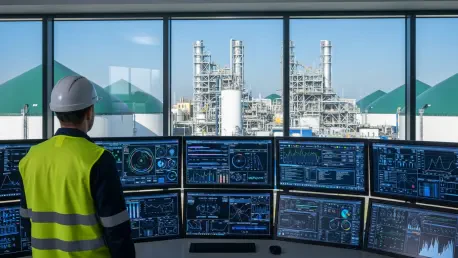
Beyond the mechanical upgrades, the expansion is heavily reinforced by a complex web of regulatory frameworks and credit-based markets that incentivize the capture of fugitive emissions. The Renewable Fuel Standard and various state-level programs, such as California’s Low Carbon Fuel Standard, provide the necessary financial cushion for the high capital expenditures associated with landfill gas infrastructure. These credits allow developers to monetize the carbon-negative attributes of their fuel, often fetching prices that far exceed the commodity value of fossil-based natural gas. Furthermore, the integration of digital monitoring and real-time data analytics has improved the efficiency of gas collection systems, ensuring that vacuum pressures are optimized to maximize methane recovery while minimizing oxygen intrusion. This data-driven approach not only enhances the profitability of individual projects but also provides a transparent audit trail for corporate partners seeking to meet stringent sustainability reporting requirements.
The journey toward a fully integrated biogas network demonstrated that the primary challenge was never a lack of raw material but rather the absence of standardized purification protocols. Stakeholders who prioritized the early adoption of modular gas-upgrading technologies successfully bypassed the traditional bottlenecks of custom-built infrastructure, paving the way for rapid market entry. It became evident that the long-term viability of these projects depended heavily on the implementation of cross-sector partnerships between municipal waste departments and utility providers. To sustain this momentum, future development strategies emphasized the importance of investing in grid-interconnection studies and pre-permitted industrial zones to streamline the deployment of high-capacity storage solutions. The focus transitioned from mere emission control to the active management of a high-value energy commodity, which necessitated a more sophisticated understanding of gas chemistry. By treating every cubic foot of methane as a vital resource, the industry solidified its role as a critical pillar of the American energy transition.